

Oil prices are bubbling in a stream of optimism
 Add BT as a preferred source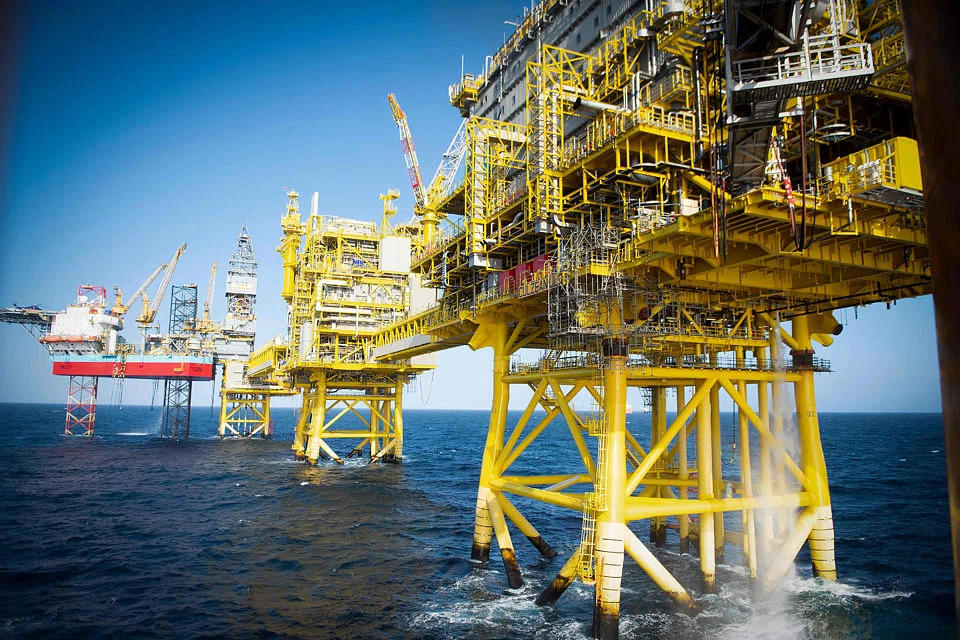
DeeperDive is a beta AI feature. Refer to full articles for the facts.
London
BOTH Brent and West Texas Intermediate rose to 12-month peaks last Friday after the Organization of the Petroleum Exporting Countries (Opec) surprised the market and continued to constrain supplies.
Only a few months ago, investment bankers and oil consultants were generally pessimistic and cautious at best.
In April last year, West Texas Intermediate crude oil sank to negative levels, rallying to US$44 a barrel by the end of August, sinking to US$34 at the beginning of November, and then soaring by 94 per cent to over US$66 a barrel on March 5.
Brent crude's trajectory was similar, increasing from US$19 a barrel in April last year to US$47 in September, falling to US$36.40 and then soaring by 91 per cent in the past five months to US$69.40.
Whereas most predictions were raised from US$25 to US$60, most forecasts now place crude oil between US$70 and US$80 a barrel this year.
Navigate Asia in
a new global order
Get the insights delivered to your inbox.
Goldman Sachs raised its Brent crude price forecast by US$5 to US$75 a barrel in the second quarter and US$80 a barrel in the third quarter of this year on the grounds that a "supercycle" beckons.
UBS also increased its Brent forecast to US$75 a barrel and WTI to US$72 in the second half of 2021.
Trafigura Group says it is "very bullish" on the months ahead. Socar Trading, a unit of Azerbaijan's state oil company, predicts US$80 could be reached mid-year and oil could once again exceed US$100 a barrel within two years.
Reasons for the optimism are that demand in China, the world's biggest oil importer, is back above pre-virus levels, and due to the cold weather, Japan, the fourth-largest oil consumer, has also increased demand.
But India, another key oil consumer, has warned that high prices are jeopardising the global economic recovery.
Hans van Cleef, a senior energy economist at ABN Amro, said that a shortage of oil does not exist. He added that the current price is overshooting and the risk is that it could fall towards US$60 a barrel by the end of the year.
He believes that if prices remain at current levels, Opec and big producers such as Russia will raise output. He maintains that the North American winter has affected oil frackers, but US output could rise again when the warm weather returns.
Opec is also cautious and it is for this reason that the cartel, which accounts for 27.5 per cent of global production, decided to constrain its own output.
According to its own analysis, global demand fell by 9.7 per cent to 90.3 million barrels a day last year and supplies exceeded demand by 3.2 million barrels a day.
The surplus this year could be wiped out if Opec continues with its supply cutback and global demand rises by a projected 6 per cent.
Commercial, on-land oil inventories, however, amount to 3.1 billion barrels and oil on tankers 1.15 billion barrels, while strategic state stocks equal 1.54 billion barrels. There is thus adequate supply to meet both normal and geopolitical crisis demand.
Saudi Arabia's energy minister Abdulaziz bin Salman said last week that it was best to be "vigilant and careful", and to keep supply restrictions at 1.5 million barrels a day until the global economy improves.
Moreover, Saudi Arabia's own production cut of one million barrels a day was "open-ended".
Russia, which had previously agreed to restrict output, is raising production by 130,000 barrels a day. The nation would prefer to have lower oil prices as it fears that United States and Canadian frackers will take advantage of high prices and boost their supplies.
Socgen also pointed out in a report that if the Biden Administration manages to bring Iran back to the negotiating table and ends sanctions against the nation, around two million barrels a day of Iranian oil could re-enter the market.
Decoding Asia newsletter: your guide to navigating Asia in a new global order. Sign up here to get Decoding Asia newsletter. Delivered to your inbox. Free.
Share with us your feedback on BT's products and services
TRENDING NOW
Air India asks Tata, Singapore Airlines for funds after US$2.4 billion loss
‘Boring’ is the new black: The stars are aligning for a Singapore stock market revival
From 1MDB to ‘corporate mafia’: Is Malaysia facing a new governance test?
South-east Asian markets account for 8.8% of global capital inflows from 2021 to 2024: report

