

Oil prices drop 2% on unsubstantiated ceasefire reports, refinery shutdown
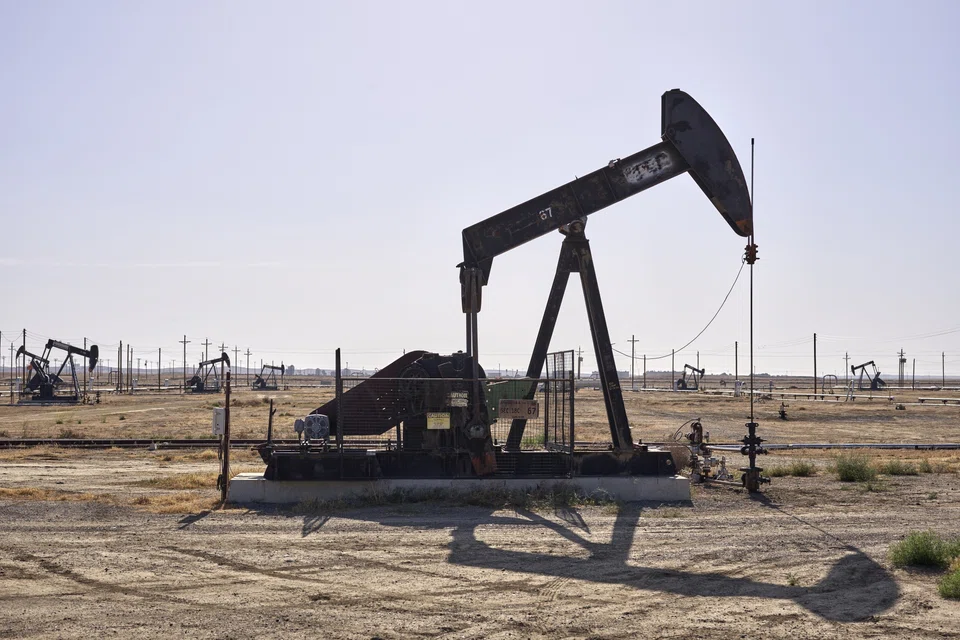
OIL prices fell over 2 per cent on Thursday (Feb 1) after unsubstantiated reports of a ceasefire between Israel and Hamas and after a power outage forced a large United States refinery to shut.
A Qatari official told Reuters there was no ceasefire yet, but repeated that Hamas had received a ceasefire proposal made earlier this week positively.
Brent crude futures dropped US$1.85, or 2.5 per cent, to settle at US$78.70 a barrel, while US West Texas Intermediate crude futures fell US$2.03, or 2.7 per cent, to US$73.82.
Tensions in the Middle East have recently boosted oil prices. Attacks by Yemen-based Houthi forces on vessels in the Red Sea have persisted, driving up costs and disrupting global oil trading.
The Houthi group also said it would keep up attacks on US and British warships in what it called acts of self-defence.
Meanwhile, BP on Thursday said it was in the process of shutting down its 435,000 barrel per day (bpd) Whiting, Indiana, refinery after a power outage. The City of Whiting said the power outage prompted visible flaring as products were burned off.
Earlier, two Opec+ sources said the group would decide in March whether or not to extend voluntary oil production cuts in place for the first quarter, after a ministerial panel meeting made no changes to the group’s output policy.
Opec+ currently has 2.2 million bpd of voluntary oil production cuts, announced in November.
Oil prices had climbed in earlier trading after Federal Reserve chair Jerome Powell on Wednesday said interest rates had peaked and would move lower in coming months, with inflation continuing to fall and an expectation of sustained economic growth.

Lower interest rates and economic growth help oil demand.
Powell declined to promise that rate cuts would come as early as the Fed’s Mar 19 to 20 meeting, as investors had hoped.
The US also released on Thursday data showing worker productivity grew faster than expected in the fourth quarter, keeping unit labour costs contained and giving the Fed another boost in the fight against inflation.
US manufacturing stabilised in January amid a rebound in new orders, but inflation at the factory gate picked up. REUTERS
Decoding Asia newsletter: your guide to navigating Asia in a new global order. Sign up here to get Decoding Asia newsletter. Delivered to your inbox. Free.
Share with us your feedback on BT's products and services
TRENDING NOW
Prima to move out of historic Keppel Road flour mill building in 2028

Temasek-related Azalea, SeaTown, Seviora Capital to merge in 2027

Family offices see more tailored products, leverage ‘collective firepower’ for direct deal access

Singapore room rates soar, but hotels seeing mixed demand from F1 race and events

