

Oil prices edge higher ahead of Biden’s Middle East trip
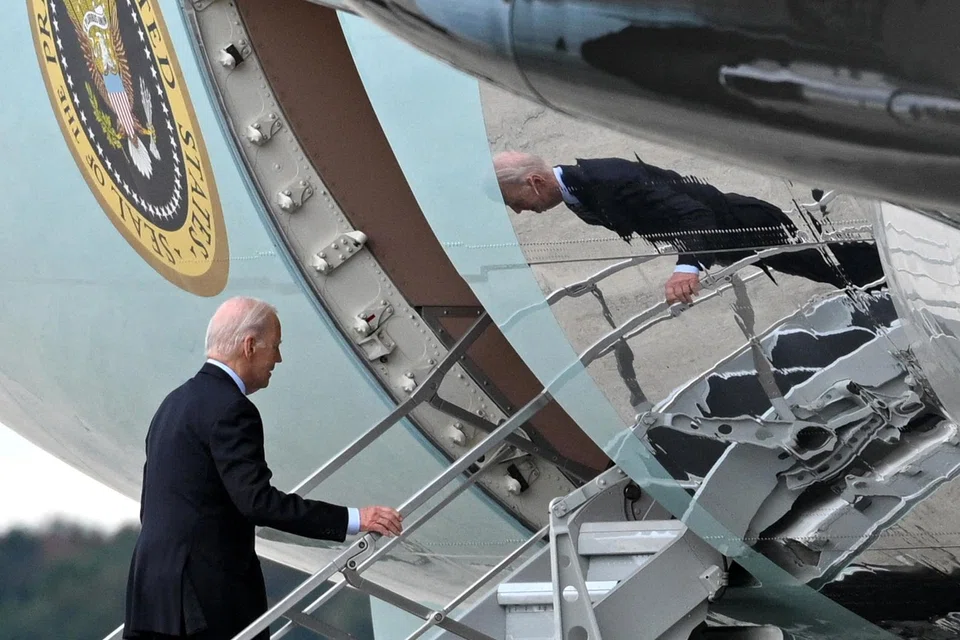
OIL prices edged higher on Tuesday as investors wait to see if US diplomatic efforts and a trip by President Joe Biden to Israel will prevent the conflict in the Middle East from widening.
Brent crude futures settled up 25 cents to US$89.90 a barrel. US West Texas Intermediate crude (WTI) was unchanged at US$86.66.
OIL prices fell earlier in the session when Richmond Federal Reserve Bank chief Thomas Barkin said that higher long-term US borrowing costs are putting downward pressure on demand but it was unclear how that will affect the central bank’s rates decision in three weeks.
Interest rate hikes to curb inflation can slow economic growth and reduce oil demand.
Both oil benchmarks rallied last week on fears that the Israel-Hamas conflict could widen into the oil-producing region. Global benchmark Brent gained 7.5 per cent in its largest weekly gain since February.
Biden’s visit to Israel on Wednesday will seek to balance showing support for Israel’s war on Hamas and trying to rally Arab states to help prevent a regional conflict, after Opec-member Iran pledged “pre-emptive action” from the “resistance front” of its allies that include the Hezbollah movement in Lebanon.
“Oil prices are wavering as energy traders await to see if the US diplomatic efforts will be successful in preventing the Israel-Hamas conflict from turning into a wider regional war,” said Edward Moya, senior market analyst at Oanda.
Providing some support to prices, US retail sales increased more than expected in September as households stepped up purchases of motor vehicles and spent more at restaurants and bars.
Weighing on prices with the possibility of increased supply, Venezuela’s government and opposition are set to resume long-suspended talks on Tuesday, which could lead to Washington easing sanctions, multiple sources said.
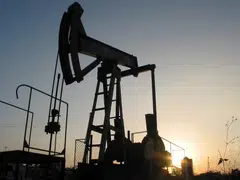
Since 2019, the US has imposed sanctions on oil exports from Venezuela, a member of the Organization of the Petroleum Exporting Countries (Opec), to punish President Nicolas Maduro’s government following elections in 2018 that Washington considered a sham.
The US government has been seeking ways to increase the flow of oil to world markets to alleviate high prices. But any real oil output increase by Venezuela will take time because of a lack of investment.
Saudi Aramco CEO Amin Nasser said the world’s biggest oil company could ramp up production within weeks if needed.
Nasser said global oil demand was set to rise to 103 million barrels per day (bpd) in the second half of this year while the company’s spare capacity is 3 million bpd.
“The market is really tight right now and that’s why we’re so nervous,” Phil Flynn, an analyst at Price Futures Group, said. “Even if Opec raised production, the most they could raise production is by 3 million barrels a day. That’s a scary number,” Flynn said.
Opec+, which comprises Opec countries and leading allies including Russia, has cut output since last year in what it says is pre-emptive action to maintain market stability.
On US supply, industry data showed crude stocks fell by about 4.4 million barrels in the week ended Oct 13, according to market sources citing American Petroleum Institute figures on Tuesday.
Seven analysts polled by Reuters estimated on average that crude inventories fell by 300,000 barrels in the week to Oct 13. REUTERS
Decoding Asia newsletter: your guide to navigating Asia in a new global order. Sign up here to get Decoding Asia newsletter. Delivered to your inbox. Free.
Share with us your feedback on BT's products and services
TRENDING NOW
Easy to rent out, hard to sell: Are buyers losing interest in Singapore’s one-bedroom condos?

GovTech retrenches another 38 staff in second round of layoffs

Stocks to watch: Seatrium, CapitaLand Investment, Keppel DC Reit, Suntec Reit, CLCT, TSH Resources
World’s largest offshore wind platform by Seatrium consortium on track to be completed by 2028

