

Oil prices fall by 3% on US-Iran de-escalation
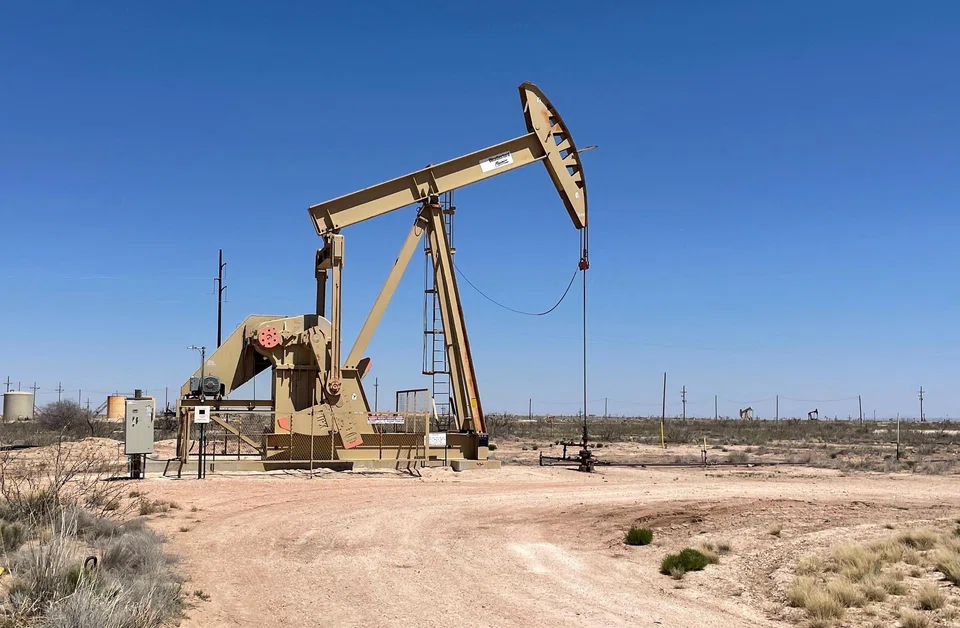
[TOKYO] Oil prices fell 3 per cent on Monday as US President Donald Trump said over the weekend Iran was “seriously talking” with Washington, signalling de-escalation with an Opec member after risks of a military strike drove prices to multi-month highs.
Brent crude futures were down US$2, or 2.9 per cent, to US$67.28 per barrel at 0100 GMT. US West Texas Intermediate crude also fell US$2, or 3.1 per cent, to US$63.17 per barrel.
Both contracts dropped sharply from the previous sessions, when Brent touched a six-month high and WTI was hovering near its highest since late September on mounting tensions between the United States and Iran.
Trump repeatedly threatened Iran with intervention if it did not agree to a nuclear deal or failed to stop killing protesters. On Saturday, Trump told reporters Iran was “seriously talking” with Washington, hours after Tehran’s top security official Ali Larijani said on X that arrangements for negotiations were underway.
“I hope they negotiate something acceptable,” Trump said. “You could make a negotiated deal that would be satisfactory with no nuclear weapons.”
Trump’s comments, along with reports that the naval forces of Iran’s Revolutionary Guards have no plans to carry out live-fire exercises in the Strait of Hormuz, are signs of de-escalation, said IG market analyst Tony Sycamore.

“The crude oil market is interpreting this as an encouraging step back from confrontation, easing the geopolitical risk premium built into the price during last week’s rally and prompting a bout of profit-taking,” he said.
Opec+ agreed to keep its oil output unchanged for March at a meeting on Sunday. In November they froze further planned increases for January through March 2026 because of seasonally weaker consumption.
“Geopolitical risks mask a fundamentally bearish oil market,” Capital Economics said in a Jan 30 note. “The historical example of last year’s 12-day war (between Israel and Iran), and a well-supplied oil market, will still bear down on Brent crude prices by end-2026.” REUTERS
Decoding Asia newsletter: your guide to navigating Asia in a new global order. Sign up here to get Decoding Asia newsletter. Delivered to your inbox. Free.
Share with us your feedback on BT's products and services






