

Oil prices rise as investors doubt breakthrough in US-Iran peace talks
Six weeks since a fragile ceasefire took effect, efforts to end the war have shown little progress
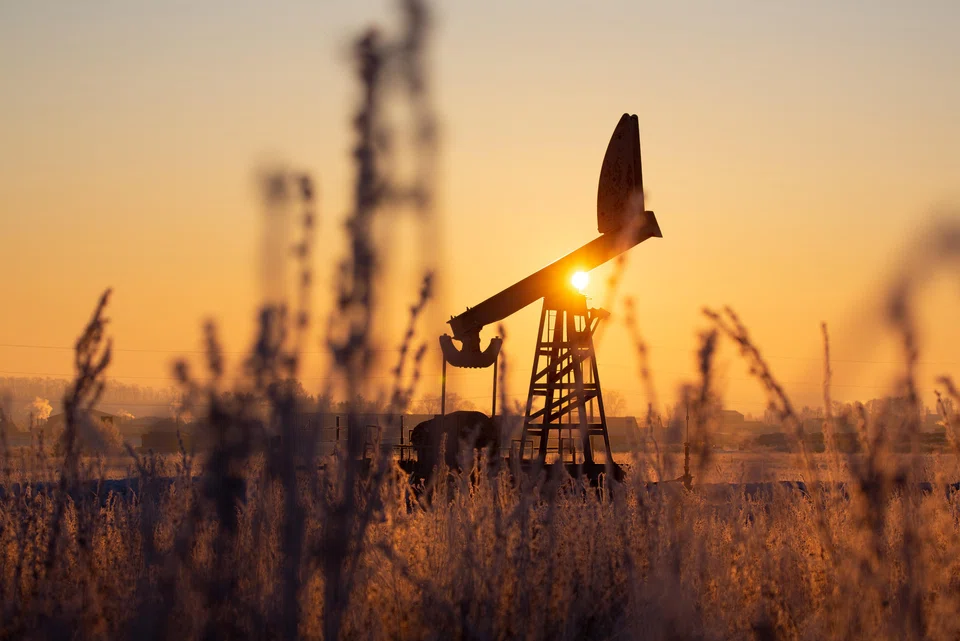
[SINGAPORE] Oil prices climbed on Friday (May 22) but were on track for a weekly loss as investors doubted the prospects of a breakthrough in US-Iran peace talks.
Brent crude futures rose US$1.66, or 1.6 per cent, to US$104.24 a barrel by 0405 GMT, while US West Texas Intermediate futures were up US$1.11, or 1.2 per cent, at US$97.46.
On a weekly basis, Brent was 4.6 per cent lower and WTI was down 7.6 per cent, with prices fluctuating sharply as expectations for a peace deal shifted.
A senior Iranian source told Reuters gaps with the US have narrowed and US Secretary of State Marco Rubio spoke of “some good signs” in talks, but the countries are still divided on Teheran’s uranium stockpile and controls on the Strait of Hormuz.
“Oil prices would only trend lower when oil market fundamentals materially improve, which looks destined to stretch into 2027,” said David Oxley, chief commodities economist at Capital Economics.
Six weeks since a fragile ceasefire took effect, efforts to end the war have shown little progress, while elevated oil prices have fuelled concern over inflation and the outlook for global economy.
“WTI is likely to remain in a US$90–$110 range next week, as it has largely done since late March,” said Satoru Yoshida, a commodity analyst with Rakuten Securities.
BMI, a unit of Fitch Solutions, raised its average 2026 dated Brent price forecast to US$90 from US$81.50 to reflect the supply deficit, time required to repair damaged Middle East energy infrastructure, and the six-to-eight week post-conflict normalisation window.
Around 20 per cent of global energy supplies transited the Strait before the war, which has removed 14 million barrels per day of oil - or 14 per cent of global supply - from the market, including exports from Saudi Arabia, Iraq, the United Arab Emirates and Kuwait.


Full oil flows through the Strait will not return before the first or second quarter of 2027, even if the conflict ended now, the head of the UAE’s state oil firm Adnoc said.
Seven leading Opec+ oil-producing countries will likely agree to a modest hike to July output when they meet on Jun 7, four sources said, though delivery for several remains disrupted by the Iran war. REUTERS
Decoding Asia newsletter: your guide to navigating Asia in a new global order. Sign up here to get Decoding Asia newsletter. Delivered to your inbox. Free.
Share with us your feedback on BT's products and services
TRENDING NOW

He built the Vingroup empire. Now South-east Asia’s richest man is handing some key roles to his sons
Despite the de-dollarisation debate, demand for dollar liquidity in Asia is growing

Can a first-time homebuyer couple earning S$18,000 a month afford a new EC unit?
Asia needs new energy security architecture

