

Oil prices rise above US$110 as no end to Iran war stand-off seems in sight
Trump’s displeasure with Iran’s latest offer leaves the conflict deadlocked
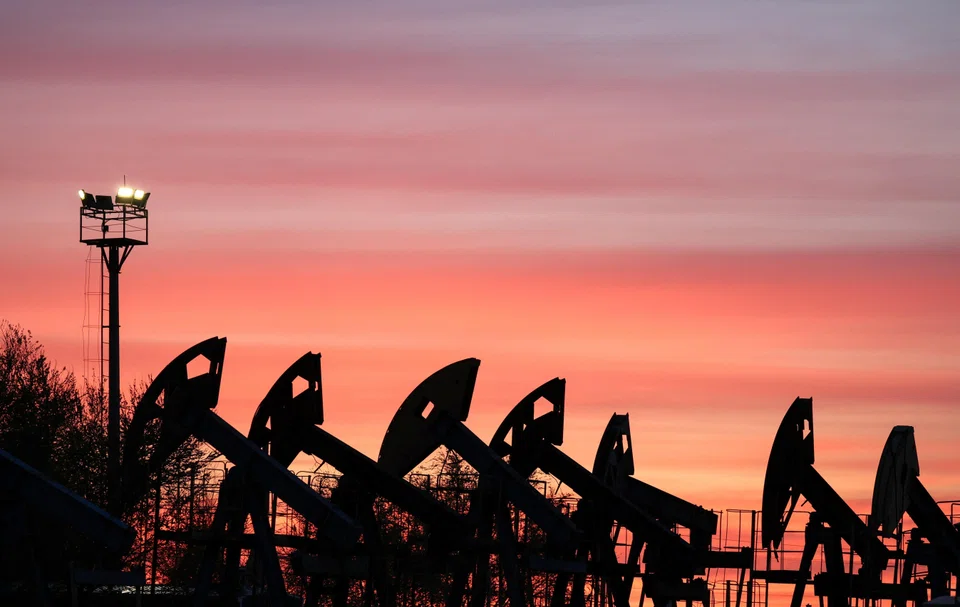
OIL prices rose nearly 2 per cent on Tuesday (Apr 28), extending gains from the previous session. This comes as efforts to end the US-Iran war appear stalled, with the crucial Strait of Hormuz waterway still mainly shut, keeping energy supplies from the key Middle East producing region out of the reach of global buyers.
US President Donald Trump is unhappy with the latest Iranian proposal aimed at ending the war, a US official said on Monday. Iranian sources disclosed on Monday that Teheran’s proposal avoided addressing its nuclear programme until hostilities cease and Gulf shipping disputes are resolved.
Trump’s displeasure with the Iranian offer leaves the conflict deadlocked, with Iran shutting shipping flows through the Strait of Hormuz, which typically carries supply equal to about 20 per cent of global oil and gas consumption, and the US keeping in place its blockade of Iranian ports.
Brent crude futures for June climbed US$2.32, or 2.1 per cent, to US$110.55 a barrel as of 0638 GMT, after gaining 2.8 per cent in the previous session to its highest close since Apr 7. The contract is up for a seventh day.
US West Texas Intermediate (WTI) crude for June rose US$1.80, or 1.9 per cent, to US$98.17 a barrel, after gaining 2.1 per cent in the previous session. An earlier round of negotiations between the US and Iran collapsed last week following failed face-to-face talks.
“Talks around ‘peace’ still look largely superficial and lack concrete evidence of de-escalation. Despite the rhetoric, vessel movement through the Strait of Hormuz remains curtailed, and that prolonged disruption is what’s keeping oil risk premiums elevated,” said Phillip Nova’s senior market analyst Priyanka Sachdeva.
Ship-tracking data revealed significant disruptions in the region, with six Iranian oil tankers forced to turn back due to the US blockade. However, a liquefied natural gas tanker managed by the United Arab Emirates’ Abu Dhabi National Oil did cross the Strait of Hormuz and appears to be near India, ship-tracking data showed on Monday.
Prior to the US-Israeli war on Iran, which began on Feb 28, between 125 and 140 vessels transited the strait daily.
Analysts expect current oil prices to be the new norm, with Suvro Sarkar, DBS Bank’s energy sector team leader, seeing a base case situation moving from a de-escalation of the war to a prolonged ceasefire “limbo situation” with oil prices trading between US$100 and US$125 a barrel.

“With no immediate deal and an indefinite ceasefire providing no certainty on whether the Strait is open or closed, oil prices will trend higher as physical markets catch up with paper markets. Eventually, the conflict will become ‘normalised’ in financial markets, leading to less volatility but a higher baseline,” he said in an e-mail. REUTERS
Decoding Asia newsletter: your guide to navigating Asia in a new global order. Sign up here to get Decoding Asia newsletter. Delivered to your inbox. Free.
Share with us your feedback on BT's products and services
TRENDING NOW

World’s largest offshore wind platform by Seatrium consortium on track to be completed by 2028

Is stamp collecting enjoying an analogue revival or are its best days over?

GovTech retrenches another 38 staff in second round of layoffs

MBS adjusted property Ebitda falls 20.6% in Q3 with fewer high-roller visits, weaker hold

