

Oil-production curbs to be phased out in 2019
Opec and its allies will ensure that crude rebalancing will not spark another price plunge
New Delhi
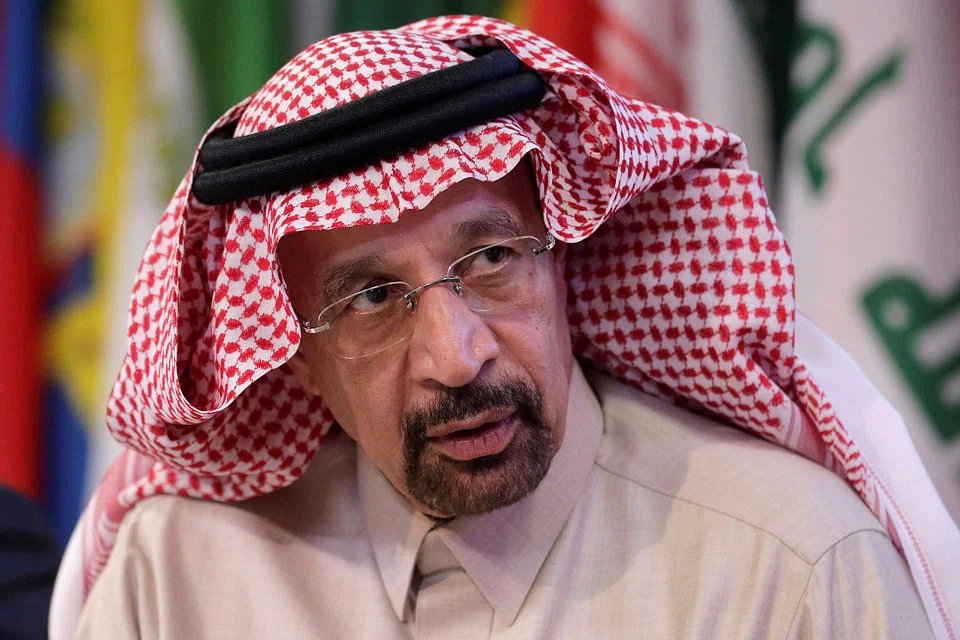
OPEC and its allies including Russia may next year ease the crude-output curbs that have helped prices recover from the worst crash in a generation, according to Saudi Arabia's oil minister.
With the market moving towards equilibrium and bloated inventories shrinking, the next step for global producers will be to phase out the reductions, Khalid al-Falih told reporters in New Delhi on Saturday.
The nations taking part in the supply curbs are currently studying what a crude rebalancing will entail, and will announce their next steps once that's analysed, he said.
The production curbs may be eased "sometime in 2019, but we don't know when and we don't know how," added Mr al-Falih.
"What we know is that it's going to be done in a way that it will not in any way disturb the balance and undo the hard work since 2016."
A deal between the Organization of Petroleum Exporting Countries and its partners aimed at shrinking a global glut began in 2017 and runs through the end of this year. With the US production booming and the International Energy Agency predicting that expanding supply from non-Opec countries may cover global demand growth for the next two years, speculation has increased over how long the cartel will have to curb supply.
Mr al-Falih welcomed the rise in US production, saying that demand is seen remaining strong in 2018 and that the market will be able to absorb that supply.
While America is pumping out record volumes, that's being accompanied by a surge in exports, which has jumped to a four-month high. Even Saudi Arabia has considered shipping American crude abroad. The demand for cargoes is helping drain the nation's stockpiles, easing concern that Opec's efforts to erode a glut will be undermined.
While countries involved in the production cuts are considering how to extend their partnership in coming years, keeping output constrained could be a challenge as the deal has shown some signs of strain.
Russian oil companies, eager to press on with new projects, have pushed for a swift end to the curbs, while Opec members like Iraq, Iran and Libya are keen to expand capacity after years of lost revenues amid sanctions and conflict.
"The framework beyond 2018 is yet to be determined, but for sure from the Saudi and from the Opec standpoint, there is a determination to translate the success of 2017 and 2018, partial as it may be, into a lasting framework that allows us to avoid instability in the oil markets," said Mr al-Falih.
Saudi Arabia is committed to meeting its production-curb pledge and balancing exports, he added, and that the world's biggest oil exporter will keep overseas shipments in March below 7 million barrels a day.
The country is also committed to the initial public offering of its state-run producer, Saudi Arabian Oil, known as Aramco. "We will announce the details of the listing venues and exact timing in due course," said Mr al-Falih.
The IPO is the centrepiece of the kingdom's plan to wean its economy off oil. The government has estimated the share sale could value the company at US$2 trillion, though analysts make lower estimates. BLOOMBERG
TRENDING NOW

He built the Vingroup empire. Now South-east Asia’s richest man is handing some key roles to his sons
Seatrium allocates S$200 million for new share buyback programme
32 companies, 6 individuals bag accolades at Singapore Corporate Awards 2026
Stocks to watch: Mapletree Logistics Trust, Seatrium, Keppel DC Reit, Food Empire

