

Oil falls as markets weigh return of supply, US-Iran peace deal
With full details yet to emerge and a permanent truce still to be reached, overall price weakness is limited
 Add BT as a preferred source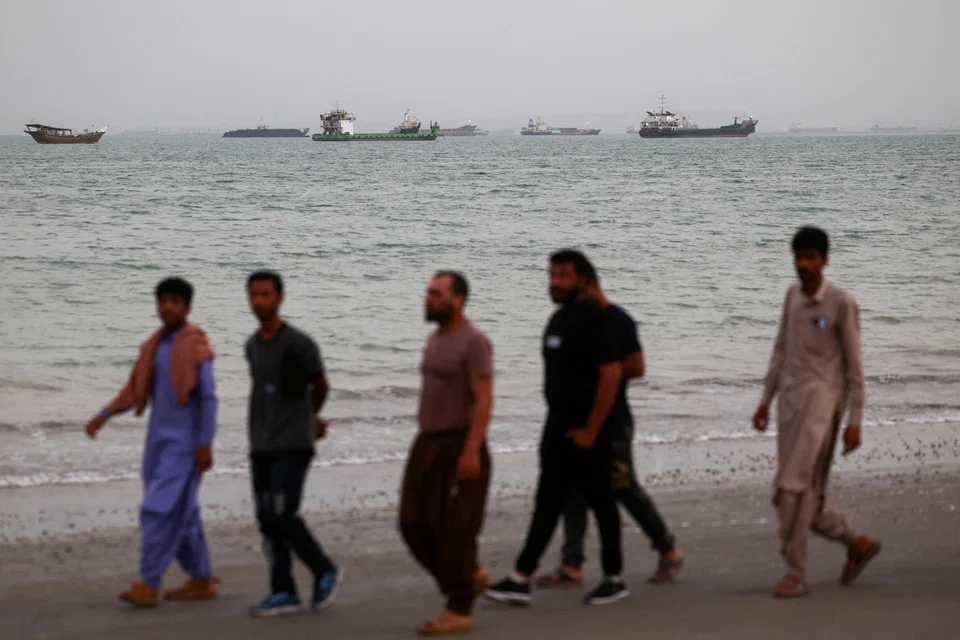
[SINGAPORE] Oil prices extended losses on Tuesday (Jun 16), as markets weighed prospects for resumption of supply through the key Strait of Hormuz against shaky physical market drivers and a lack of details from a preliminary deal to end the Iran war.
By 12.36 in Singapore, Brent crude futures fell 25 US cents, or 0.3 per cent, to US$82.92 a barrel and US West Texas Intermediate inched down 9 US cents, or 0.1 per cent, to US$80.66 a barrel.
On Monday, oil prices fell nearly 5 per cent to their lowest close since Mar 4, after US President Donald Trump said a memorandum of understanding was signed to end the US-Israeli war with Iran, though full details have not been made public.
The hostilities led to the closure of the Strait of Hormuz that typically carried one-fifth of the world’s oil supply before the conflict.
Some analysts expect a resumption of supply soon via the strait, with other factors weighing down physical market prices.
“From here, it likely takes several weeks for tanker flow to be restored,” Morgan Stanley analysts said.
“We see 50 per cent of production back by September, and 80 per cent by December, slightly faster than before.”
A broad range of indicators had signalled weakness in physical oil markets in recent weeks, they added.
“High US exports and low China imports are the key drivers (and) in the short term (i.e. next weeks) they do not seem to come to an end just yet.”

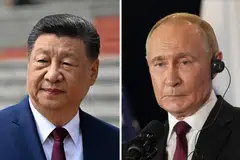
China’s crude imports slumped 29 per cent in May to their lowest in eight years, extending a dramatic decline for the world’s largest importer, with its liftings of Saudi Arabia crude expected to also fall in July.
Early indications are that the US-Iran deal would reopen the blockaded Strait of Hormuz and extend a ceasefire for 60 days, allowing negotiators to tackle difficult issues such as the future of Iran’s nuclear programme.
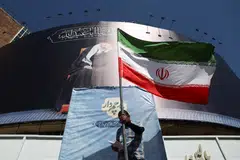
On Monday, Iranian President Masoud Pezeshkian called the US-Iran pact an “important step” towards stopping the fighting but cautioned that a final agreement for a lasting truce “has yet to take shape”.
But with full details yet to emerge and a permanent truce still to be reached, overall price weakness is limited.
Suvro Sarkar, the head of DBS Bank’s energy research, said the deal’s first phase, encompassing the Geneva signing of an extension of the 60-day ceasefire, was easy, would buy time and kick the “nuclear can” down the road.
But the second phase, to be watched most closely by markets for its physical impact, is the phased reopening of the Strait of Hormuz and the wind-down of the US naval blockade on Iranian ports and vessels, he added.
“Anything other than a clean simultaneous unlock will mean renewed volatility in oil prices,” Sarkar said. “Given the trust deficit so far, it will be interesting to see how this plays out over the next couple of weeks.”
On Monday, a senior Iranian official said that Iran would freeze its nuclear activity until a final agreement and refrain from further uranium enrichment or expansion of nuclear facilities. REUTERS
Decoding Asia newsletter: your guide to navigating Asia in a new global order. Sign up here to get Decoding Asia newsletter. Delivered to your inbox. Free.
Share with us your feedback on BT's products and services
TRENDING NOW

Asia-Pacific aviation: is up really the only way?

Singapore Airlines faces some bleak choices as it lays trapped in Air India’s money pit

Car rental firm RentLah sues former director, dealer Skyway over alleged 95-vehicle fraud

MSCI drops S-E Asian heavyweights Sembcorp, GoTo and Ayala Land from global benchmarks

