Oil retreats after hitting four-year high on concern of US-Iran war escalation

Published Fri, May 1, 2026 · 05:58 AM
    • Global oil benchmark Brent crude futures rose as high as US$126.41 a barrel, the peak since March 9, 2022, but settled down 3.41 per cent, to US$114.01.
    • Global oil benchmark Brent crude futures rose as high as US$126.41 a barrel, the peak since March 9, 2022, but settled down 3.41 per cent, to US$114.01. PHOTO: REUTERS

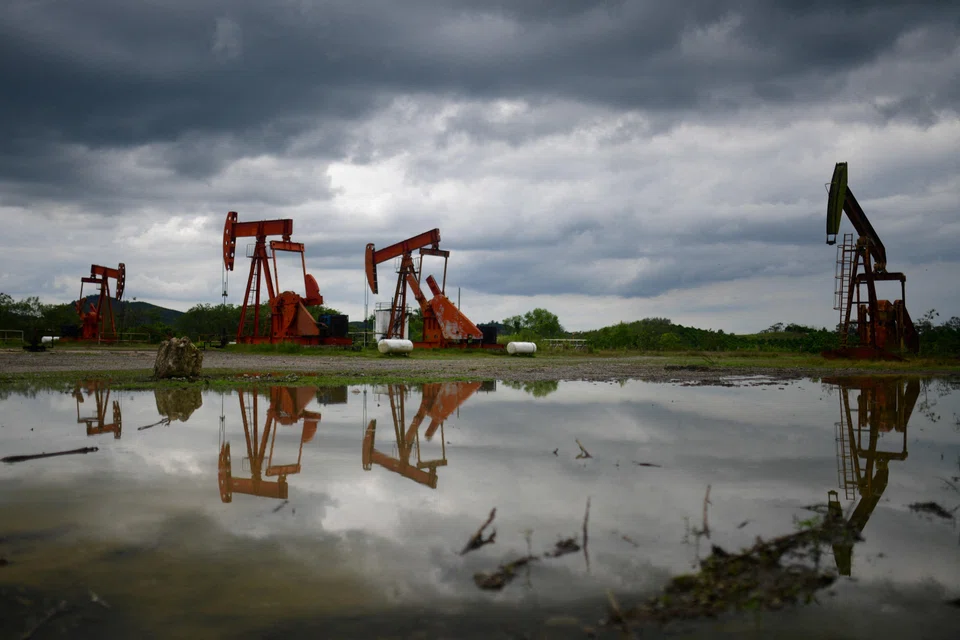
    [NEW YORK] Global oil prices eased after hitting a four-year high of more than US$126 a barrel earlier on Thursday (Apr 30) on concerns the US-Iran war could lead to a protracted Middle East supply disruption that could inflict deeper damage on the global economy.

    The oil markets have been in a period of heightened volatility since the conflict in the Middle East began in late February.

    Global oil benchmark Brent crude futures rose as high as US$126.41 a barrel, the peak since March 9, 2022, but settled down US$4.02, or 3.41 per cent, to US$114.01. The prompt contract for June delivery expired on Thursday. The more active July contract settled higher at US$110.88, up 44 cents, or 0.4 per cent.

    WTI crude futures closed down US$1.81, or 1.69 per cent, at US$105.07. The contract reached US$110.93 earlier, the highest since April 7.

    Still, both benchmarks are on track for their fourth month of gains, reflecting fears that the Iran conflict could choke global oil supplies for months to come.

    The drop in prices from intraday highs did not have an obvious catalyst.

    DECODING ASIA

    Navigate Asia in
    a new global order

    Get the insights delivered to your inbox.

    The decline did not look related to a specific development and reflected the heightened volatility in the market since the Iran war started, said Tamas Varga of PVM.

    Two large sell orders for June Brent traded earlier in the session, LSEG data showed. Other analysts said that prices can be volatile ahead of contract expiries.

    “It’s massive movements, like intraday movements, as much as we usually have in months,” analyst Ole Hvalbye at SEB Research said. “It’s a mess... it’s very difficult to calculate and try to make up some fundamental view on this.”

    “The market is realising there might have been a bit of an overreaction yesterday,” Phil Flynn, senior analyst with Price Futures Group, noting that hedge funds were selling positions to lock in gains at the end of the month.

    Others noted the retreat in US dollar strength on Thursday also put downward pressure on oil. Japan’s yen surged 3 per cent, the most in a day in over three years on Thursday, following stark warnings from Tokyo officials that intervention to prop up the currency, as well as action in other markets including energy, could be imminent.

    The jump in the yen put the US currency down, on track for its biggest one-day drop against the yen since last August.

    US President Donald Trump is slated to receive a briefing on Thursday on plans for a series of fresh military strikes on Iran to compel it to negotiate an end to the conflict, a US official told Reuters.
    Iran said it would respond with “long and painful strikes” on US positions if Washington renewed attacks, and also reasserted its control over the Strait of Hormuz, complicating US plans for a coalition to reopen the waterway.

    The price of Brent has doubled since the US-Israeli attack on Iran began on Feb 28 and the US benchmark West Texas Intermediate crude is up around 90 per cent due to the effective closure of the Strait of Hormuz, through which about a fifth of the world’s oil and liquefied natural gas transits.

    The oil price gains risk a renewed spike in global inflation and higher pump prices in the US ahead of midterm elections later this year. Oil, gas, and their refined byproducts are critical for fuelling cars, trucks and planes, powering homes and industry and producing plastics and fertilisers.

    Trump called a ceasefire in the war earlier this month, but also imposed a US blockade on Iranian ports.

    Talks to resolve the conflict, which has killed thousands and caused what the International Energy Agency says is the world’s biggest oil disruption ever, have deadlocked, with the US insisting on discussing Iran’s alleged nuclear weapons programme and Iran demanding some control over the strait and reparations for damage from the war.

    “Prospects for any near-term resolution to the Iran conflict or a reopening of the Strait of Hormuz remain dim,” IG market analyst Tony Sycamore said in a note.

    Shipping traffic still minimal

    At least seven ships - a fraction of the usual traffic - have crossed the Strait of Hormuz in the past 24 hours, shipping data showed on Thursday.

    Three of those ships were dry bulk carriers and one container ship, with two bitumen tankers also leaving, according to Kpler ship-tracking data and satellite analysis from SynMax.

    Prior to the war between 125 and 140 vessels travelled the waterway daily.

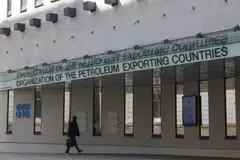
    Closure of the strait outweighs the long-term implications of the potential waning influence of Opec+ following the exit of the United Arab Emirates from the group, Oanda senior market analyst Kelvin Wong said. The UAE said on Tuesday it would quit the Organization of Petroleum Exporting Countries after nearly 60 years as a member.

    Analysts say destruction of demand for oil due to the high prices may be the most likely factor to alleviate the current tight supply situation. REUTERS

    Decoding Asia newsletter: your guide to navigating Asia in a new global order. Sign up here to get Decoding Asia newsletter. Delivered to your inbox. Free.

    Share with us your feedback on BT's products and services