Oil rises 2% but posts weekly loss on recession fears
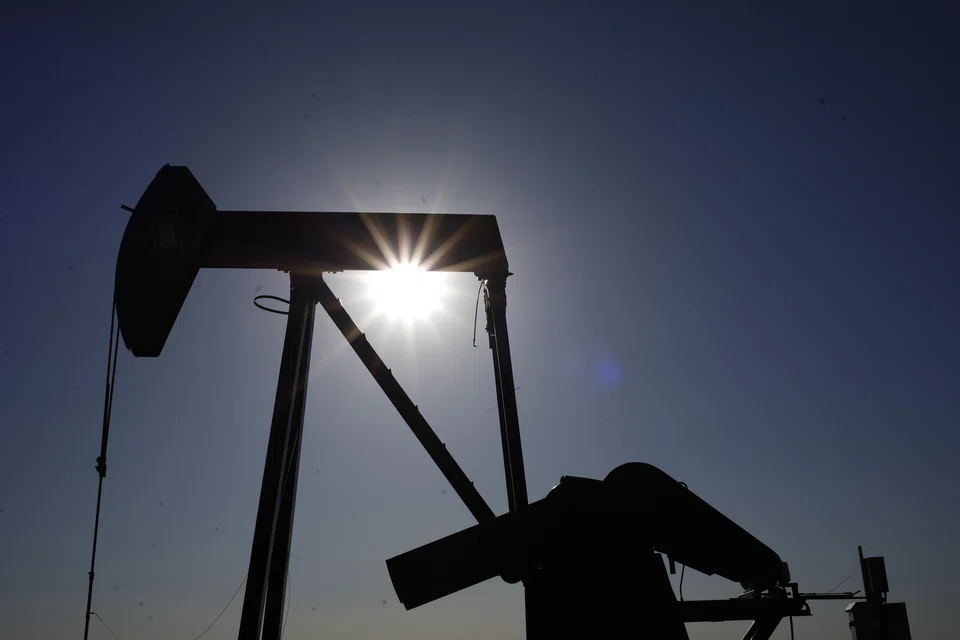
OIL prices rose about 2 per cent in volatile trade on Friday (Jul 8) but were still heading for a weekly decline as investors worried about a potential recession-driven demand downturn even as global fuel supplies remained tight.
Central banks around the world are raising interest rates to tame inflation, spurring fears that rising borrowing costs could stifle growth, while mass Covid-19 testing in Shanghai this week caused worries about potential lockdowns that could also hit oil demand.
Brent crude futures rose US$2.37, or 2.3 per cent, to settle at US$107.02 a barrel. US West Texas Intermediate crude rose US$2.06, or 2 per cent to settle at US$104.79 a barrel. Both benchmarks traded in negative territory and then rebounded from session lows.
Brent posted a weekly decline of about 4.1 per cent and WTI a loss of 3.4 per cent, following on from the first monthly decline since November. Prices tumbled on Tuesday, when Brent’s US$10.73 drop was the contract’s third-biggest daily fall since it started trading in 1988.
US non-farm payrolls data showed the economy added more jobs than expected in June, a sign of persistent labour market strength that gives the Federal Reserve ammunition to deliver another 75-basis-point rate hike this month.
“The oil market is looking at the jobs report as a double-edged sword,” said Phil Flynn, analyst at Price Futures Group. “The jobs number was positive from a demand perspective. On the bearish side, the market is concerned that if the jobs market is strong, the Fed can be more aggressive with raising rates.”
US energy firms this week added 2 oil rigs, bringing the total to 597, the highest since March 2020, energy services firm Baker Hughes Co said.
Oil prices soared during the first half of 2022. Brent neared the record high of US$147 after Russia launched its invasion of Ukraine in February, adding to supply concerns.
“Economic worries may have roiled oil prices this week, but the market is still flashing bullish signals. This is because supply tightness is more likely to intensify from this point than to ease,” said Stephen Brennock of oil broker PVM.
Western bans on Russian oil exports have supported prices and sparked a re-routing of flows while the Organization of the Petroleum Exporting Countries (Opec) and allied producers struggle to deliver on pledged production increases.
Russian President Vladimir Putin warned the West that continued sanctions against Moscow risked triggering “catastrophic” energy price rises for consumers around the world. REUTERS
Decoding Asia newsletter: your guide to navigating Asia in a new global order. Sign up here to get Decoding Asia newsletter. Delivered to your inbox. Free.
Share with us your feedback on BT's products and services