Oil rises 5% on renewed tension after US seizes Iranian ship
Iran said it would retaliate amid growing worries of a resumption of hostilities
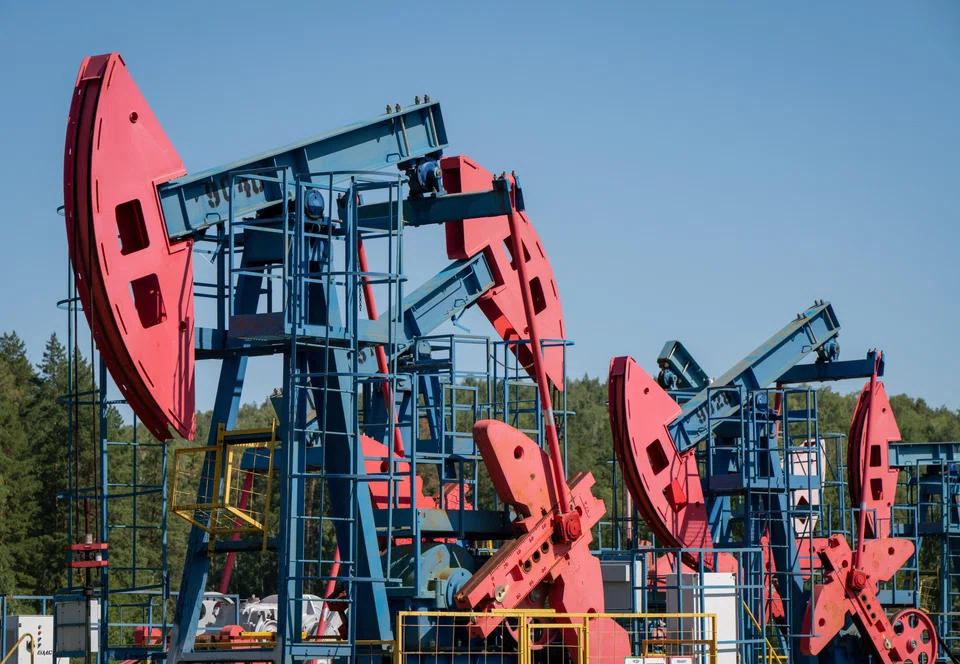
[SINGAPORE] Oil prices jumped more than 5 per cent on Monday (Apr 20), on fears that the ceasefire between the US and Iran could collapse after the US seized an Iranian cargo ship, while traffic through the Strait of Hormuz stayed largely halted.
Brent crude futures advanced US$4.81, or 5.32 per cent, to US$95.19 a barrel by 0638 GMT and US West Texas Intermediate was at US$88.81 a barrel, up US$4.96, or 5.92 per cent.
Both contracts tumbled by 9 per cent on Friday, their largest daily declines since Apr 18, after Iran said passage for all commercial vessels through the Strait of Hormuz was open for the remaining ceasefire period and US President Donald Trump said Iran has agreed to never close the strait again.
“Within 24 hours of Friday’s ‘completely open’ announcement, there were already tankers that were fired upon by the Islamic Revolutionary Guard Corps, leading to more fears from the shippers on attempting to leave,” said June Goh, a senior oil market analyst at Sparta Commodities.
“Market fundamentals are getting worse, as 10-11 million barrels per day of crude oil remains shut in,” Goh added.
The US said on Sunday that it had seized an Iranian cargo ship that tried to run its blockade while Iran said it would retaliate amid growing worries of a resumption of hostilities.
Teheran also said it would not participate in a second round of negotiations that the US had hoped to kick off before its two-week ceasefire with Iran expires this week.
The US has maintained a blockade of Iranian ports, while Iran has lifted and then reimposed its own blockade of the strait, which handled roughly one-fifth of the world’s oil supply before the war began almost two months ago.
“Oil markets continue to gyrate in response to oscillating social media posts by the US and Iran, rather than the realities on the ground which remain challenging for oil flows to resume in a rapid fashion,” Saul Kavonic, MST Marquee’s head of research, said.
SEE ALSO


“The announcement of the Strait opening proved premature,” Kavonic said. “Ship owners will be twice shy about heading towards the Strait again without receiving much more confidence that any announced passage is real.”
More than 20 ships passed the strait on Saturday carrying oil, liquefied petroleum gas, metals and fertilisers, Kpler data showed, the highest number of vessels crossing the waterway since Mar 1. REUTERS
Decoding Asia newsletter: your guide to navigating Asia in a new global order. Sign up here to get Decoding Asia newsletter. Delivered to your inbox. Free.
Share with us your feedback on BT's products and services