

Oil rises on China possibly easing Covid curbs
 Add BT as a preferred source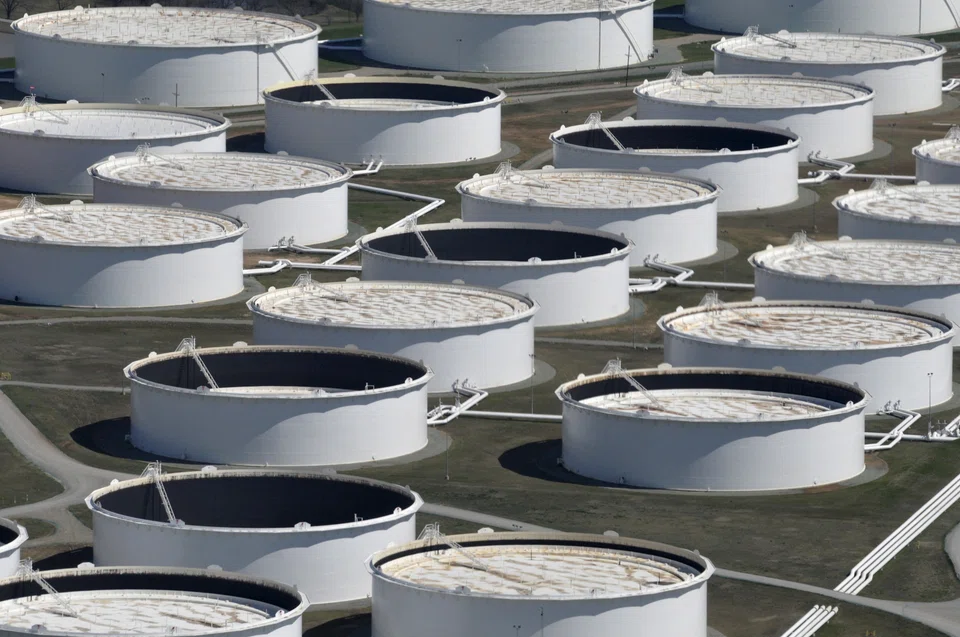
DeeperDive is a beta AI feature. Refer to full articles for the facts.
OIL prices rose by more than 1 per cent on Thursday (Oct 20) on news that China is considering easing Covid-19 quarantine measures for visitors, boosting hopes for increased energy demand in the world’s top oil importer.
Brent crude futures rose US$1.30, or 1.4 per cent, to US$93.71 a barrel by 11.07 am EDT (1507 GMT).
US West Texas Intermediate (WTI) crude for November delivery, which expires on Thursday, rose US$1.76, or 2.1 per cent, to US$87.31 per barrel. WTI for December delivery was up US$1.45, or 1.7 per cent, at US$85.97 per barrel.
Beijing is considering cutting the quarantine period for visitors to seven days from 10 days, Bloomberg news reported on Thursday, citing people familiar with the matter.
China, the world’s largest crude importer, has stuck to strict Covid curbs this year, which weighed heavily on business and economic activity, lowering demand for fuel.
“We have a bit of a rally as a result of events in China,” said Bob Yawger, director of energy futures at Mizuho in New York. “That’s been seen as a positive demand indicator for the market.”
Navigate Asia in
a new global order
Get the insights delivered to your inbox.
A looming European Union ban on Russian crude and oil products, as well as the output cut from the Organization of the Petroleum Exporting Countries and allies including Russia, known as Opec+, have also supported prices.
Opec+ agreed on a production cut of two million barrels per day in early October.
Separately, US President Joe Biden announced a plan on Wednesday to sell off the rest of his release from the nation’s Strategic Petroleum Reserve (SPR) by year’s end, or 15 million barrels of oil, and begin refilling the stockpile as he tries to dampen high petrol prices ahead of midterm elections on Nov 8.
The announcement, however failed to ease oil prices, as official US data showed that the SPR last week dropped to their lowest since mid-1984, while commercial oil stocks fell unexpectedly.
“Yesterday’s failed attempt at cooling oil prices is further evidence that the US has lost its influence over global oil markets,” PVM Oil’s Stephen Brennock said.
Meanwhile, global demand for fuel remains uncertain. US economic activity expanded modestly in recent weeks, although it was flat in some regions and declined in a couple of others, the Federal Reserve said on Wednesday in a report that showed firms growing more pessimistic about the outlook. REUTERS
Decoding Asia newsletter: your guide to navigating Asia in a new global order. Sign up here to get Decoding Asia newsletter. Delivered to your inbox. Free.
Share with us your feedback on BT's products and services
TRENDING NOW

Air India asks Tata, Singapore Airlines for funds after US$2.4 billion loss
‘Boring’ is the new black: The stars are aligning for a Singapore stock market revival

From 1MDB to ‘corporate mafia’: Is Malaysia facing a new governance test?
South-east Asian markets account for 8.8% of global capital inflows from 2021 to 2024: report

