

Oil rises on concerns over Strait of Hormuz reopening plans
Analysts said the events that have unfolded this week signalled that the hostilities between Iran and the US are not yet over
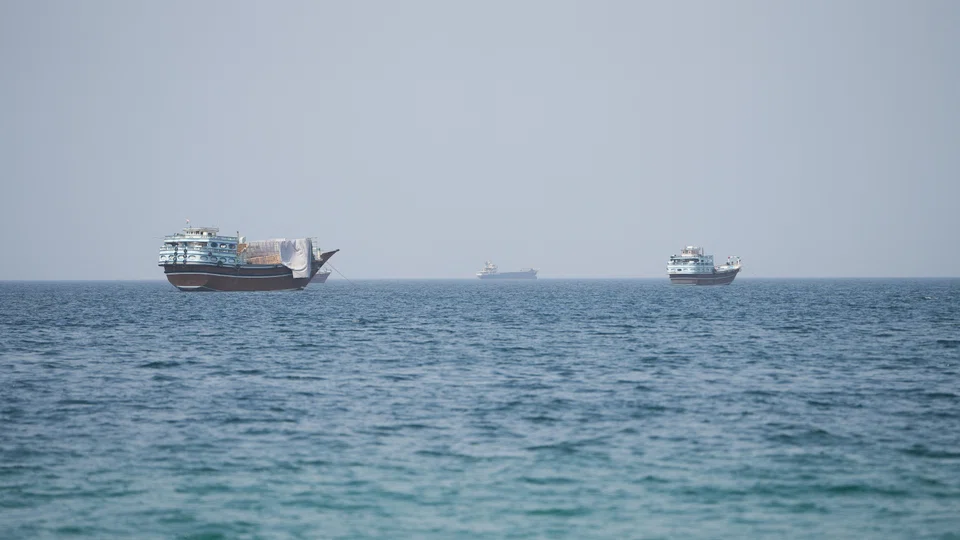
OIL extended gains on Friday (Aug 7) amid further concerns around the opening of the Strait of Hormuz as Iran, working with Oman, suggested banning vessels deemed hostile from the strait and heavily fining those which violated the proposed rules.
Brent crude futures rose US$0.80, or 0.97 per cent, to US$83.29 a barrel by 0303 GMT. US West Texas Intermediate futures rose US$0.64, or 0.83 per cent, to US$77.93.
Oil futures settled up at over US$3 a barrel on Thursday as Iran reviewed a Bill to ban US and Israeli vessels from the Strait of Hormuz, where roughly a fifth of the world’s oil and liquefied natural gas transmitted before the war began at the end of February.
Prices fell earlier in the week as a possible solution to the ongoing conflict looked more likely but benchmark Brent breached US$80 on Thursday after falling below that for the first time since Jul 13. Both benchmarks were headed for a weekly loss of about 8 per cent.
Analysts said the events that have unfolded this week signalled that the hostilities between Iran and the US are not yet over.
“The proximate trigger is more specific, it’s (oil prices) reacting to Iran’s published draft plan for Hormuz transit conditions, which would ban US and Israeli vessels and require other ‘hostile’ countries to pay compensation before passage,” said Ye Lin, vice-president of commodities market – oil at consultancy Rystad Energy.
“That’s not the market pricing in a bad deal, it’s pricing in confirmation that whatever emerges is a managed/conditional corridor, not a restoration of normal flow,” Ye added.
An Iranian lawmaker said a parliamentary committee is reviewing a preliminary Bill to ban US, Israeli and other vessels deemed hostile from the Strait of Hormuz, and fine violators of the proposed restrictions up to 20 per cent of cargo value, according to Fars news agency.
Iran is seeking fees of between 5 and 7 per cent of the price of cargoes from ships using the strait, according to the senior Iranian official. Oman is discussing fees of around 3 per cent, while Washington wants no fees at all.


Four industry sources have said the proposed deal is not easily workable due to US sanctions and restrictive insurance clauses on any payments.
“This week’s signals on a potential Iran-Oman transit deal have driven a roller-coaster ride in market sentiment but as of now, (it is) left it in the dark as to what needs to happen for the agreement to be clinched,” said Vandana Hari, founder of oil market analysis provider Vanda Insights.
Meanwhile, Yemen’s Houthis said they carried out missile and drone attacks on “Saudi deployments” in Marib and Hadramout in Yemen on Thursday. US President Donald Trump on Thursday told reporters that he believed the war would be over soon. REUTERS
Decoding Asia newsletter: your guide to navigating Asia in a new global order. Sign up here to get Decoding Asia newsletter. Delivered to your inbox. Free.
Share with us your feedback on BT's products and services
TRENDING NOW

IOI Properties and CapitaLand Investment closer to acquiring One Raffles Place in joint bid

OCBC sheds S$8 billion in value as shares close nearly 6% down; analysts cautious on banks

Grab CEO’s wife Chloe Tong on life with Anthony Tan and finding her purpose

Crystal Jade closes four more outlets, cuts 120 jobs ahead of proposed sale

