Oil on track for weekly loss even as Iran tensions simmer
Trump not interested in returning to previous deal terms with Iran, says Wall Street Journal
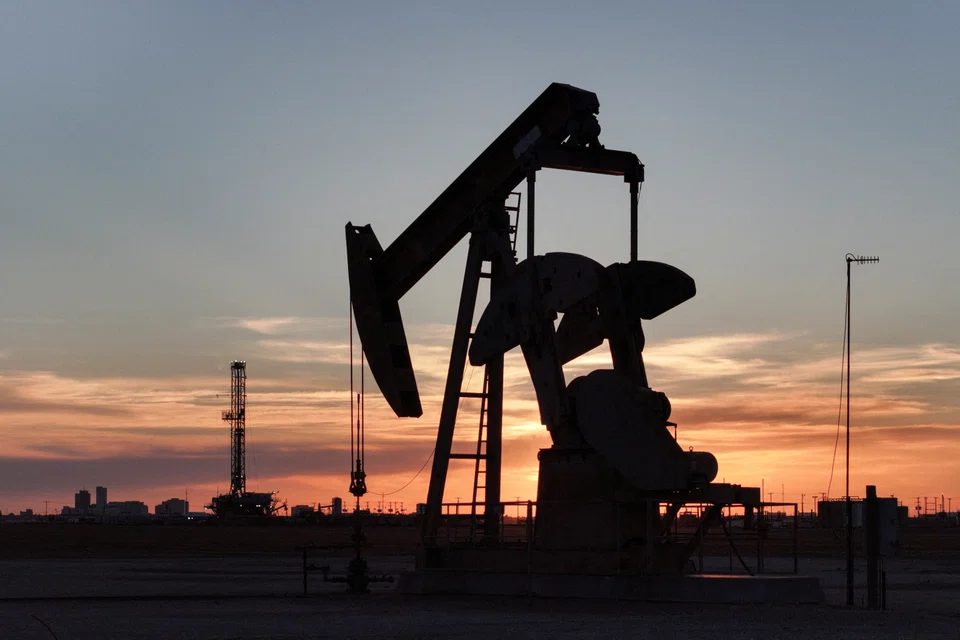
[SINGAPORE] Oil prices fell on Friday (Aug 28) and are on track to snap a two-week winning streak, despite settling higher in the previous session following a report that US President Donald Trump is not interested in returning to previous deal terms with Iran. Brent crude futures were down US$0.25, or 0.3 per cent, to US$89.45 a barrel by 0035 GMT. West Texas Intermediate crude futures fell US$0.22, also 0.3 per cent, to US$83.31. Both benchmarks were poised to end the week lower, with Brent down 5.3 per cent and WTI falling 4.3 per cent. Citing people familiar with the matter, the Wall Street Journal report said the Trump administration has repeatedly told mediators it has no interest in reviving the June memorandum of understanding, complicating diplomatic efforts to restart talks. Earlier on Thursday, Washington said it was not in talks with Iran despite diplomatic efforts by other countries to re-engage the two sides. On Monday, the US announced what it called the “toughest sanctions in history” on Iran. Teheran said the sanctions were an “inhumane and hostile act” that had lost their effectiveness. Elsewhere, geopolitical tensions escalated after Moscow warned it could strike British military targets inside and outside Ukraine in response to Kyiv’s attacks on Russian territory using British-supplied long-range cruise missiles. Trump, however, said Russian President Vladimir Putin will not attack a North Atlantic Treaty Organization (Nato) country, and he downplayed media reports that CIA director John Ratcliffe this week had warned Russian officials against such an attack. Britain is one of the founding members of Nato. REUTERS
Decoding Asia newsletter: your guide to navigating Asia in a new global order. Sign up here to get Decoding Asia newsletter. Delivered to your inbox. Free.
Share with us your feedback on BT's products and services