

Oil rises as Hormuz attacks counter recovery in crude supply
Brent settles under US$95 a barrel, the highest in over a week
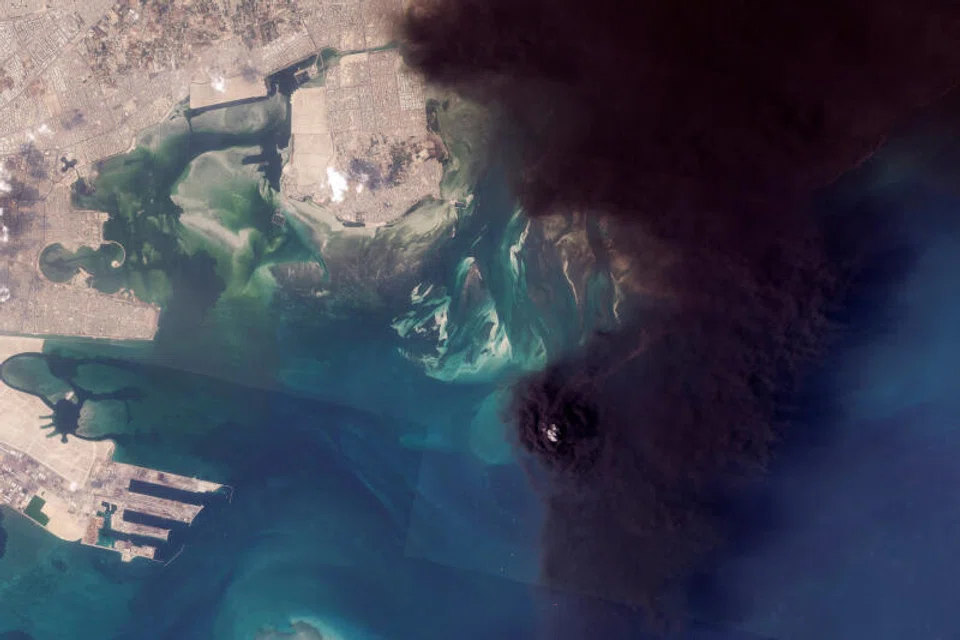
OIL ROSE in thin trading as escalating attacks in the Middle East clouded the recovery in crude shipments from the region in recent months.
Brent settled under US$95 a barrel, the highest in over a week, as Saudi Arabian forces said early on Wednesday (Nov 25) that they intercepted four drones fired at Ras Tanura, where the kingdom has a major oil refinery and Persian Gulf export facilities.
The day before, the Houthis struck the country’s main finance district for the second time in a week, extending a cycle of back-and-forth attacks.
Teheran has also ramped up its attacks on ships transiting the Strait of Hormuz, with the tally of reported strikes rising.
Iran claimed that more tankers have also hit mines in the waterway since Tuesday, according to local media reports, though there has been no independent confirmation of those incidents.
The fallout for oil markets has so far been muted as crude exports from the region have surged in recent months, with a groundswell of opinion forecasting an impending glut.

The International Energy Agency has predicted the global market will swing to a surplus this quarter, but the continuing attacks are creating uncertainty.
“Much of that anticipated normalisation appears to be priced in,” said Emily Ashford, head of energy research at Standard Chartered.
“We think the market needs fresh bearish surprises to sustain a sell-off, while persistent threats to shipping remind us that normalisation is far from guaranteed.”
Brent has tumbled this month after US President Donald Trump held off on renewed strikes on Iran following the US midterm elections and as Gulf exports surge.
Technical indicators have reinforced the bearish mood, with a key timespread for the Middle East’s Dubai crude benchmark flipping into a structure that suggests supply is outpacing demand this week.
Still, a resolution to the conflict – now in its ninth month – has appeared distant, despite a flurry of regional diplomacy.
Among the unresolved issues in the conflict, Iran is demanding that the US end its naval blockade and has threatened to tighten control over Hormuz until its demands are met.
Volumes are likely to be lower on Wednesday ahead of the Thanksgiving holiday in the US, which could exaggerate price moves.
Already, traders have exited the market following the steep November sell-off, with Brent open interest – a measure of outstanding derivative contracts in the market – falling near the lowest since 2024.
In the US, crude inventories rose by 1.1 million barrels last week, while refined-product inventories also expanded, according to the Energy Information Administration.
Petrol imports decreased amid a recent pullback in domestic prices, with the national average sitting comfortably near US$3.59 a gallon ahead of the busiest travel period.
At the sam time, the US Federal Reserve’s preferred price gauge showed an acceleration in inflation, stoked by high energy costs. The US dollar rose – a move that tends to weigh on oil because crude is priced in the US currency. BLOOMBERG
Decoding Asia newsletter: your guide to navigating Asia in a new global order. Sign up here to get Decoding Asia newsletter. Delivered to your inbox. Free.
Share with us your feedback on BT's products and services
TRENDING NOW

As Indonesia picks new vice-president to succeed Gibran, investors see risks and opportunities

US proposes new tariffs on 14 trading partners, including rate of up to 20% for Singapore

StarHub-M1 deal could add to Keppel’s special dividends but analysts flag potential wait

South-east Asia has lost Nvidia’s best salesman

