Oil rises as Middle East attacks increase uncertainty over flows
Escalating Iran strikes in Hormuz threaten the recent rebound in Gulf supply to near pre-war levels
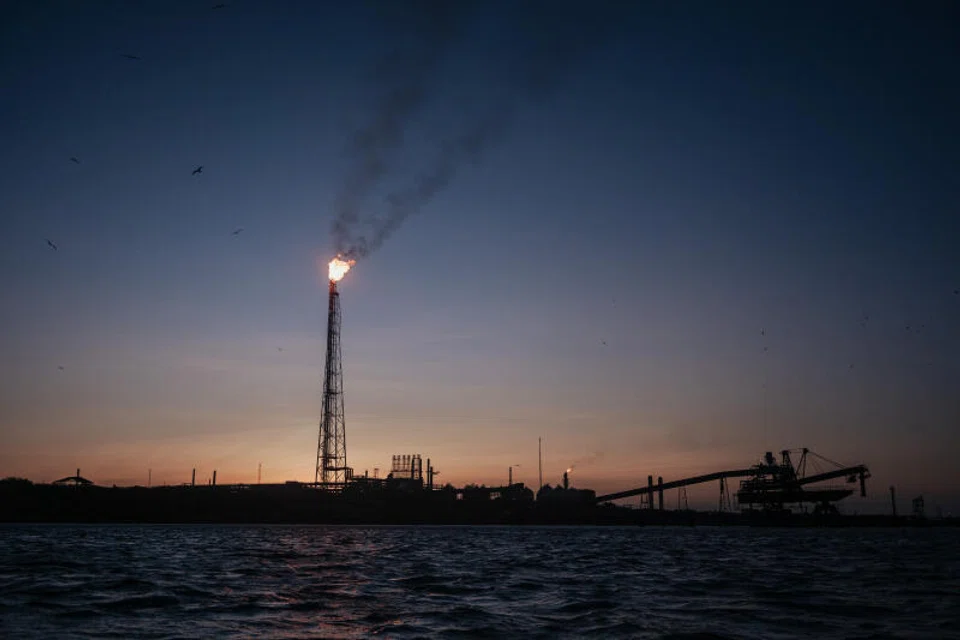
[TOKYO] Oil rose as a flare-up in attacks in the Middle East increased uncertainty over a recovery in energy flows from the Persian Gulf.
West Texas Intermediate advanced towards US$95 a barrel, after edging higher in the previous session, while Brent declined to close below US$106 on Tuesday (Oct 13).
The US said it assisted in shipping more than 19 million barrels of crude through the Strait of Hormuz, even as an escalation of Iranian attacks on tankers in the waterway threatens the recent rebound in Gulf supply to near pre-war levels.
Elsewhere in the region, Saudi Arabia intercepted more missiles and drones launched by Yemen’s Houthis, as fighting with the Iran-backed militant group showed few signs of subsiding. The headquarters of oil giant Saudi Aramco in the east of the kingdom was hit in the latest attacks.
Brent has surged more than 70 per cent so far in 2026 as the US-Iran war roils energy markets.
Risks have intensified after the Houthis attacked Riyadh’s main airport last week and Saudi-backed forces launched a campaign to reclaim rebel-held territory in Yemen.
Ship strikes in Hormuz have also prompted more supertankers to turn away from the Persian Gulf.
“While the day-to-day headlines constantly move, the overarching picture in the Persian Gulf has been little changed throughout the past three months,” said Pavel Molchanov, an analyst at Raymond James.
Tanker companies are becoming more adept at moving crude between vessels at sea to keep exports flowing, while reducing exposure to Iranian attacks, he said.

Four tankers were hit by unknown projectiles while transiting Hormuz in separate incidents on Oct 11, according to UK Maritime Trade Operations. That was roughly double the agency’s daily average for the previous week.
The renewed attacks on Saudi Arabia are adding pressure on Washington to step up support for its ally. US President Donald Trump said he might ask Turkish President Recep Tayyip Erdogan to join the response to the Houthis’ attacks on the kingdom.
Still, Saudi oil supply has continued to recover. The kingdom reported to Opec that its crude production jumped by a third in September, recovering from the lowest in more than three decades, but remaining well below pre-war levels.
In Europe, Trump defended his diesel export agreement with Russia, saying the supply would be released onto the global market to ease high prices and was “not for us”.
Republican senators earlier urged him to scrap the deal, which would upend years of sanctions, calling it “a gift to our adversary” and a betrayal of US allies, according to a copy of the letter posted on X by an Axios reporter. BLOOMBERG
Decoding Asia newsletter: your guide to navigating Asia in a new global order. Sign up here to get Decoding Asia newsletter. Delivered to your inbox. Free.
Share with us your feedback on BT's products and services