

Oil settle lower despite record US crude stock drawdown
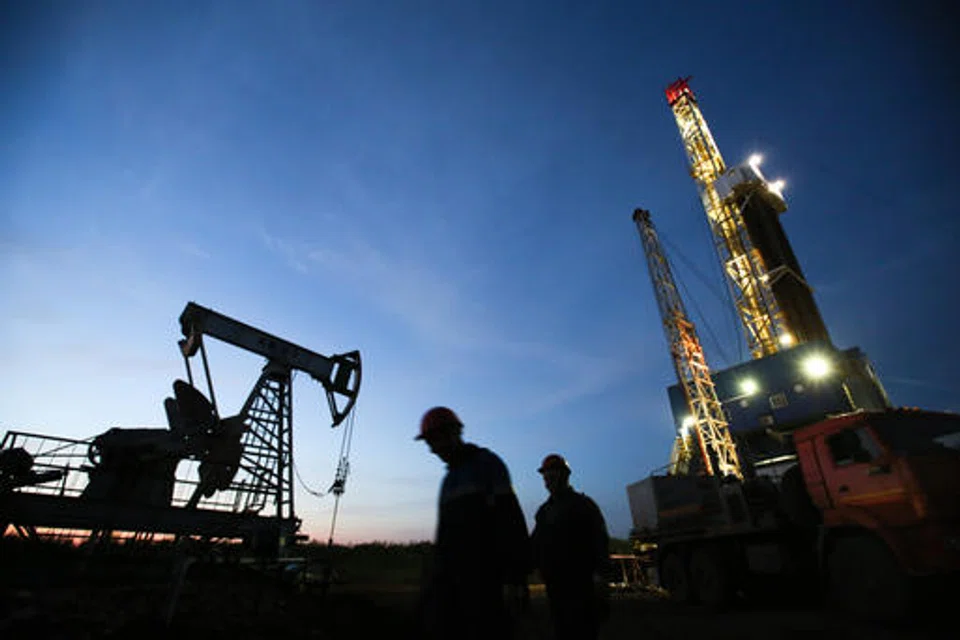
OIL prices settled down 2 per cent on Wednesday despite a historic drop in US crude stocks, as traders derisk following the downgrade of the US government’s top credit by a major ratings agency.
US crude stocks fell in the week by 17 million barrels, the largest drop in US crude inventories according to records dating back to 1982, the Energy Information Administration said on Wednesday.
The draw was driven by increased refinery runs and strong crude exports Despite the record stock draw, US oil prices fell amid falls across financial markets after rating agency Fitch downgraded the US government’s top credit rating.
US crude futures settled down US$1.88, or 2.3 per cent, to US$79.49 a barrel while Brent crude futures settled down US$1.71, or 2 per cent, to US$83.20 a barrel.
Both contracts rose by more than US$1 earlier on the session, buoyed by falling US stockpiles in Tuesday’s data from the American Petroleum Industry, which also indicated a large US stockpile drawdown. That the US government has pulled an offer to buy 6 million barrels of oil for the Strategic Petroleum Reserve also pushed prices lower, traders and analysts said.
Total product supplied – a proxy for demand – also fell by 1.3 million barrels in the week to 20 million barrels per day, the EIA said.
“Petrol demand seems to have peaked after higher prices at the pump,” said Edward Moya, senior market analyst of the Americas at Oanda.
Crude oil inventories have also begun to drop in other regions as demand outpaces supply, which has been constrained by deep production cuts from Saudi Arabia, the de facto leader of the Organization of the Petroleum Exporting Countries (Opec) said.
Concerns have risen that oil buying in China, the world’s biggest oil importer, may slow as prices rise.
Weak PMI data released this week, meanwhile, indicated fuel demand may be weaker than expected.
“Chinese crude buying has been opportunistic rather than due to higher demand. (The) market continues to be driven purely by supply constraints, which are always subject to potential political volatility,” said Sparta Commodities’ Philip Jones-Lux.
Analysts expect Saudi Arabia to extend its voluntary oil output cut of 1 million barrels per day for another month to include September in a meeting of producers on Friday.
Opec+, which groups Opec and allies led by Russia, is unlikely to revise its current oil output policy when a panel meets on Friday, six Opec+ sources told Reuters. REUTERS
Decoding Asia newsletter: your guide to navigating Asia in a new global order. Sign up here to get Decoding Asia newsletter. Delivered to your inbox. Free.
Share with us your feedback on BT's products and services
TRENDING NOW

World’s largest offshore wind platform by Seatrium consortium on track to be completed by 2028

Is stamp collecting enjoying an analogue revival or are its best days over?

GovTech retrenches another 38 staff in second round of layoffs

MBS adjusted property Ebitda falls 20.6% in Q3 with fewer high-roller visits, weaker hold

