

Oil extends gains on little sign of progress in US-Iran talks
Iranian official says Teheran reviewing Washington’s response to its peace proposals
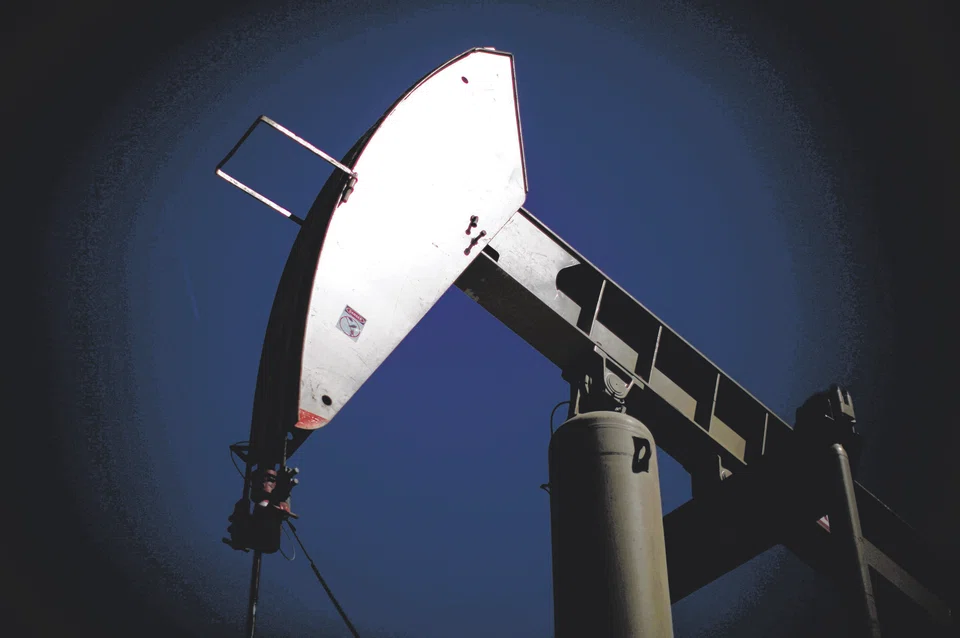
[LONDON] Oil prices rose more than 2 per cent on Thursday (Sep 24) as diplomatic talks between the US and Iran showed little sign of progress, while investors focused on uncertainty about a potential US ban on diesel exports.
Brent crude futures were up US$2.43, or 2.36 per cent, to US$105.51 a barrel at 0940 GMT, while West Texas Intermediate futures were up US$1.74, or 1.89 per cent, to US$93.90 a barrel.
Brent rose as high as US$106.50 earlier in the day, following reports suggesting Iran gave the US one week to meet its publicly stated demands, such as lifting the US naval blockade.
Iran and the US remain divided over how to end their conflict, but diplomacy must continue, a senior Iranian official told Reuters on Wednesday, after Iran’s president told the UN General Assembly that Teheran would never surrender to US pressure.
The official said Teheran was reviewing Washington’s response to its peace proposals, which prioritise lifting the US naval blockade on Iranian ports and reopening the Strait of Hormuz.
European diesel futures held around all-time highs on Thursday amid uncertainty about a potential US ban on diesel exports. A White House official on Wednesday denied a report that said the US is preparing a 90-day ban of diesel exports.
Analysts and market watchers have warned such a ban would do little to ease high energy prices and could worsen global supplies and further disrupt economies.
The physical market for oil is nowhere near a fully normalised situation, said Priyanka Sachdeva, head of market insights at Phillip Nova.
“Brent retains a larger geopolitical and sea-route premium because international crude is more directly exposed to Middle East and Hormuz disruption, while WTI benefits more from relatively insulated US supply,” Sachdeva added.


US distillate stockpiles, including diesel and heating oil, fell 428,000 barrels to 107.4 million barrels last week, US Energy Information Administration data showed.
Meanwhile, US crude inventories rose 3 million barrels to 426.4 million barrels last week, though analysts polled by Reuters had expected a 641,000-barrel draw. REUTERS
Decoding Asia newsletter: your guide to navigating Asia in a new global order. Sign up here to get Decoding Asia newsletter. Delivered to your inbox. Free.
Share with us your feedback on BT's products and services






