
Oil settles up on distillate strength, supply concerns
 Add BT as a preferred source
Webservice User
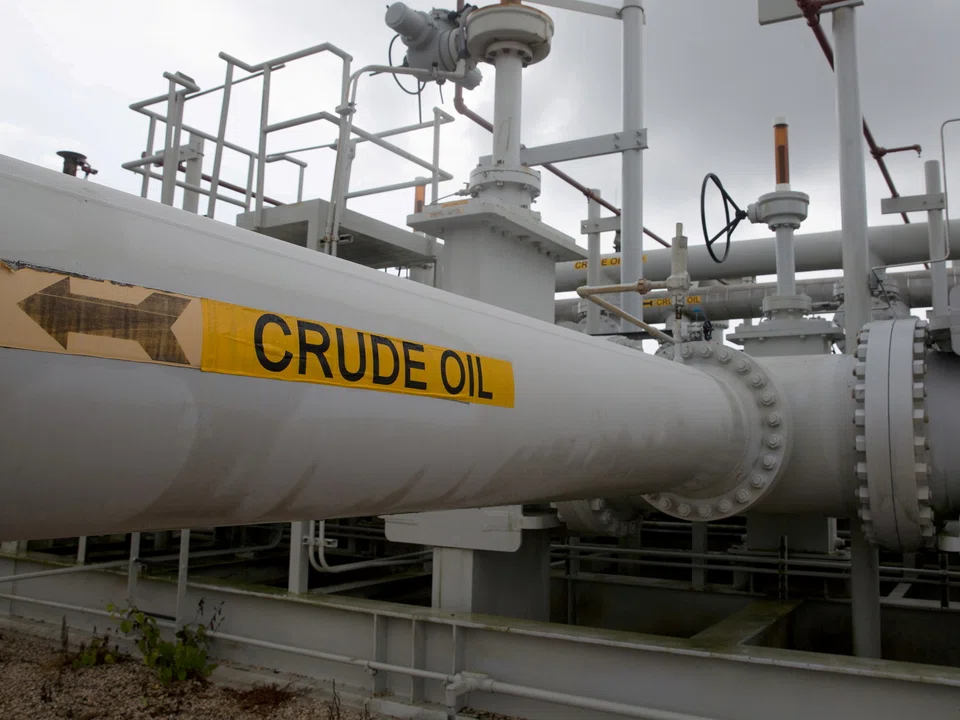
OIL prices reversed course to settle in positive territory on Monday (May 2) on a rally in the diesel market and fears that supply might be crimped by a potential European Union ban on Russian crude.
Brent crude futures gained 44 US cents, or 0.4 per cent, to settle at US$107.58 a barrel, while US West Texas Intermediate (WTI) crude futures rose 48 cents to settle at US$105.17 a barrel.
Diesel futures continued to rally after rolling over to the June contract on Monday, rising 5 per cent to US$4.0172 per gallon as a low supply of inventories globally put pressure on WTI and Brent prices.
“The main item was a further strengthening in the diesel market that acted to pull the rest of the complex higher,” said Jim Ritterbusch, president of Ritterbusch and Associates in Galena, Illinois.
Both benchmarks fell by more than US$2 earlier in the session on news that the European Commission may spare Hungary and Slovakia from a Russian oil embargo as it prepares to finalise its next batch of sanctions on Russia on Tuesday.
The EU is leaning toward banning Russian oil imports by the end of the year, according to two EU diplomats, after talks between the European Commission and EU member states over the weekend.
Navigate Asia in
a new global order
Get the insights delivered to your inbox.
Hungary will not vote for any measures prepared by the European Union that could endanger the security of its oil or gas supply, Foreign Minister Peter Szijjarto said, reiterating the country’s position on Monday to RTL television.
Around half of Russia’s 4.7 million barrels per day (bpd) of crude exports go to the EU, supplying about a quarter of the bloc’s oil imports in 2020.
On the demand side, US factory activity grew at its slowest pace in nearly 2 years in April, according to a survey from the Institute for Supply Management (ISM) on Monday. The ISM’s index of national factory activity fell to a reading of 55.4 last month, which is still considered to be a mark of expansion.
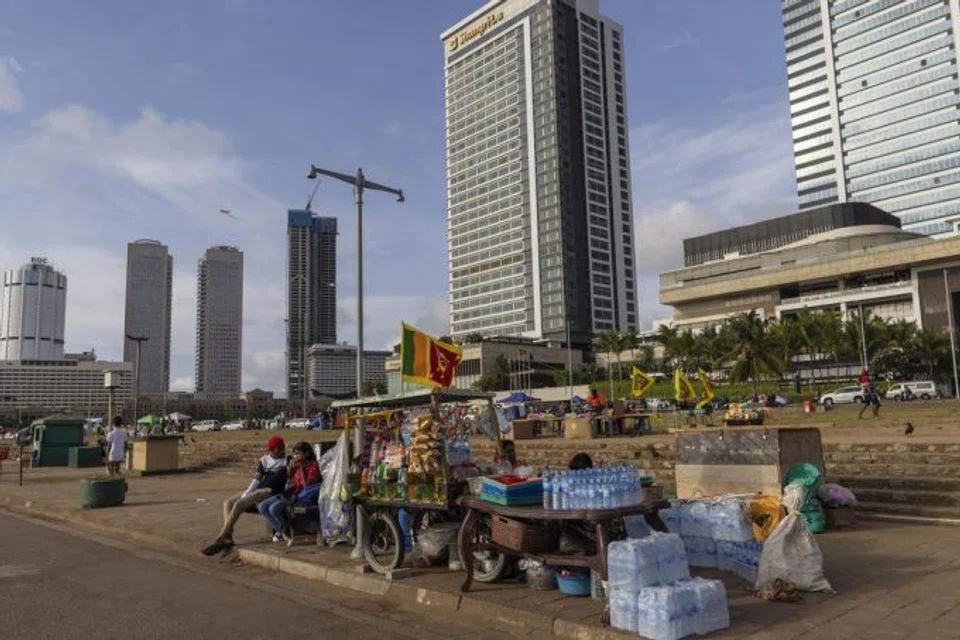


“U.S. economic data still indicated expansion in the manufacturing sector, far from a recessionary number,” said Phil Flynn, market analyst at Price Futures Group in Chicago.
Markets in Japan, Britain, India and across South-east Asia were closed for public holidays on Monday.
China released data on Saturday showing that factory activity in the world’s second-largest economy contracted for a second straight month to its lowest level since February 2020 because of Covid-19 pandemic-related lockdowns.
“A slowing to that extent, when China is already suffering from a property bust and worries about its (until recently) increased regulation, is potentially a major issue for commodity markets and the world economy,” Tobin Gorey, a Commonwealth Bank commodities analyst, said in a note. REUTERS
Decoding Asia newsletter: your guide to navigating Asia in a new global order. Sign up here to get Decoding Asia newsletter. Delivered to your inbox. Free.
Share with us your feedback on BT's products and services

