

Oil settles down after choppy session as traders follow US, Iran talks
The United States and Iran held indirect talks in Geneva on Thursday over their long-running nuclear dispute to avert a conflict
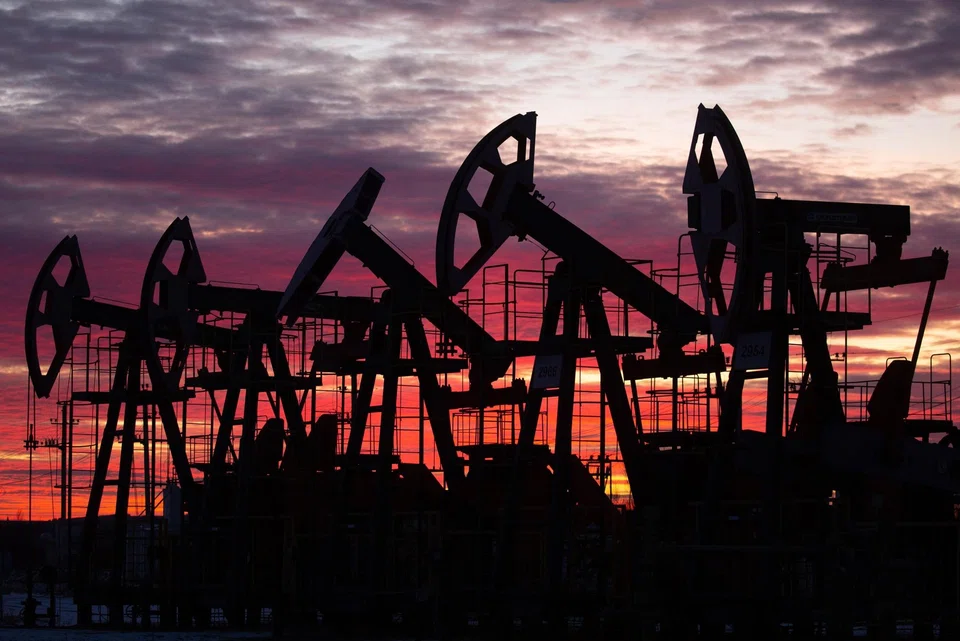
[HOUSTON] Oil prices settled lower after a choppy session on Thursday (Feb 26) as investors tracked developments in talks between the United States and Iran over the Organisation of the Petroleum Exporting Countries (Opec) member’s nuclear programme, weighing potential supply concerns if hostilities escalate.
Brent crude futures settled down 10 US cents, or 0.14 per cent, to US$70.75 a barrel. WTI futures settled down 21 US cents or 0.32 per cent to US$65.21.
The United States and Iran held indirect talks in Geneva on Thursday over their long-running nuclear dispute to avert a conflict after US President Donald Trump ordered a military build-up in the region.
Ongoing developments surrounding those talks during Thursday’s session drove whipsaw moves in crude futures.
Oil prices had gained more than a dollar a barrel after media reports indicated the talks had stalled over US insistence on zero enrichment of uranium by Iran, as well as a demand for the delivery of all 60 per cent enriched uranium to the United States.
However, prices then retreated after the two countries extended talks into next week, reducing an immediate strike potential, according to Janiv Shah, vice-president of oil analytics at consultancy, Rystad Energy.
Iranian Foreign Minister Abbas Araqchi described Thursday’s talks as the most serious exchanges with the United States yet, saying Iran clearly laid out its demand for lifting sanctions and the process for relief. Araqchi confirmed talks will continue next week.
Oman Foreign Minister Sayyid Badr Albusaidi earlier said significant progress was made in Thursday’s talks.
“The crude selloff is simply the market removing a geopolitical risk premium,” said Shohruh Zukhritdinov, a Dubai-based oil trader.
“Traders priced out the fear of tighter sanctions or disruption through Hormuz. But fundamentally nothing has changed – supply is still long, Opec+ may add barrels in April, and Iran is front-loading exports. So this is sentiment-driven, not structural,” Zukhritdinov said. REUTERS
Decoding Asia newsletter: your guide to navigating Asia in a new global order. Sign up here to get Decoding Asia newsletter. Delivered to your inbox. Free.
Share with us your feedback on BT's products and services
TRENDING NOW

Once staunchly pro-China, Malaysian Chinese businesses are now distancing themselves from Beijing

Cliff Tan has 7 million followers and a 4-month waitlist. Why won’t he expand his business?

Grab CEO’s wife Chloe Tong on life with Anthony Tan and finding her purpose
Singapore F1 to proceed despite haze; no changes planned to outdoor entertainment

