Oil settles lower as US rate hike fears subside, China demand weighs
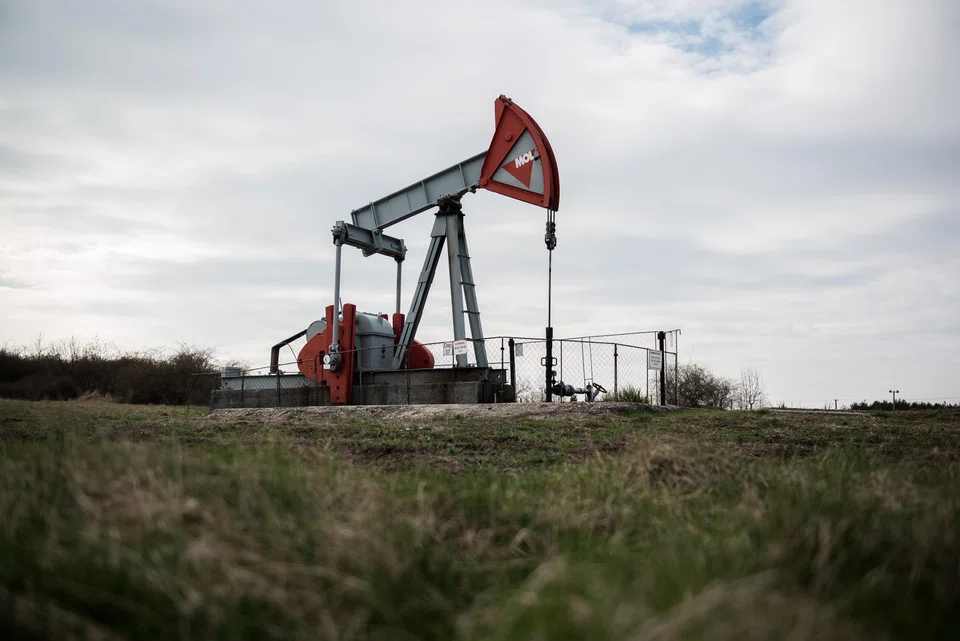
OIL prices settled lower on Thursday, with Brent crude holding close to January highs, as speculation about another US interest rate hike faded following inflation data and Opec remained positive on the oil demand outlook.
Both benchmarks have been on a sustained rally since June, with West Texas Intermediate crude (WTI) trading on Thursday at its highest this year and Brent hitting its highest price since January.
Brent crude fell US$1.15, or 1.3 per cent, to settle at US$86.40 a barrel while WTI settled down US$1.58, or 1.9 per cent, at US$82.82.
Oil prices have been boosted in recent days by extensions to output cuts by Saudi Arabia and Russia, alongside supply fears driven by the potential for conflict between Russia and Ukraine in the Black Sea region to threaten Russian oil shipments.
But recent data showed the consumer sector in China fell into deflation and factory gate prices extended declines in July, raising concerns about fuel demand in the world’s second-largest economy.
The US is also prohibiting some investment in China in sensitive technologies like computer chips and requires government notification in other tech sectors.
“China’s data just gets worse and worse, and this is only going to make it more difficult for China to ramp up its economy,” said John Kilduff, partner at Again Capital LLC in New York.
Lending support to prices, Opec said in its monthly report on Thursday it expected a healthy oil market for the rest of the year, and stuck by its forecast for robust oil demand in 2024, as the outlook for world economic growth slightly improves.
Thursday’s US consumer prices data for July fuelled speculation the Federal Reserve is nearing the end of its aggressive rate hike cycle.

Markets largely shrugged off a higher-than-expected 5.85 million-barrel build in US crude stocks reported on Wednesday, after a record drawdown the week before.
Low inventory levels have pushed petrol positions to their highest since the day Russia invaded Ukraine, and investors and analysts say they may continue to rise if record Atlantic Ocean heat draws a hurricane into the Gulf of Mexico and disrupts refineries.
“With petrol and distillate deficits expanding, both markets will likely prove sensitive to the first suggestion of a major storm event capable of working its way into the Gulf of Mexico with hurricane status,” said John Ritterbusch, president of Ritterbusch and Associates in Galena, Illinois. REUTERS
Decoding Asia newsletter: your guide to navigating Asia in a new global order. Sign up here to get Decoding Asia newsletter. Delivered to your inbox. Free.
Share with us your feedback on BT's products and services