Oil settles up 1% on low US output after hurricane
 Add BT as a preferred source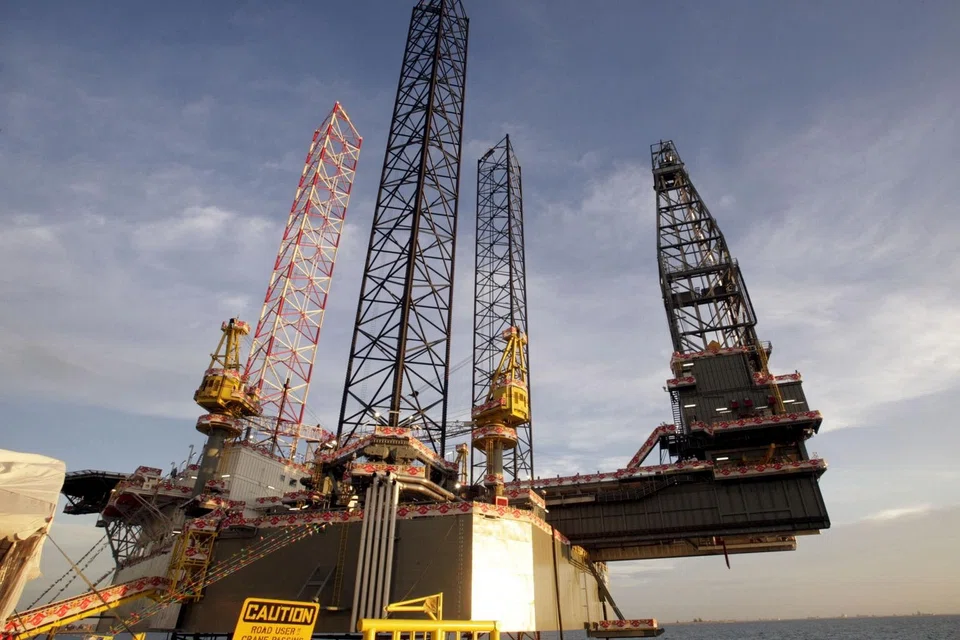
[NEW YORK] Oil prices jumped on Wednesday and settled up more than 1 per cent as US Gulf of Mexico producers made slow progress in restoring output after Hurricane Ida.
Brent settled up 91 cents, or 1.3 per cent, at US$72.60 and US West Texas Intermediate (WTI) crude settled up 95 cents, or 1.4 per cent, to US$69.30 a barrel.
Producers in the Gulf are still struggling to restart operations nine days after Ida swept through the region with powerful winds and drenching rain.
About 77 per cent of US Gulf production remained offline on Tuesday, or about 1.4 million barrels per day (bpd). About 17.5 million barrels of oil have been lost to the market so far.
The Gulf's offshore wells make up about 17 per cent of US output.
"Refinery operations appear to be making a quicker recovery," ING analysts said in a note.
Capacity of about 1 million barrels per day (bpd) was temporarily closed, down from a peak of more than 2 million bpd, ING said, citing the latest situation report from the Department of Energy.
Traders will be closely watching inventory data from the American Petroleum Institute industry group due later on Wednesday and the US Energy Information Administration on Thursday for a clearer picture of the storm's impact on crude production and refinery output.
Analysts polled by Reuters expect, on average, that crude stocks fell by 3.8 million barrels in the week to Sept 3, and they anticipate petrol stocks were down by 3.6 million barrels and distillates down by 3 million barrels.
"It's possible the loss of refining demand and the amount of crude oil might somewhat cancel itself out," said Bob Yawger, director of energy futures at Mizuho.
The EIA said on Wednesday it expected US crude oil production to fall by 200,000 barrels bpd to 11.08 million bpd in 2021, a bigger decline than its previous forecast for a drop of 160,000 bpd.
Prices were also supported as protesters in Libya blocked oil exports at Es Sider and Ras Lanuf, an oil engineer at each of the ports said, although other engineers said production at fields that supply the terminals was unaffected.
Meanwhile, the UN atomic watchdog criticised Iran for stonewalling an investigation into past activities and jeopardising important monitoring work, possibly complicating efforts to resume talks on reviving a nuclear deal.
The negotiations between world powers and Iran have been paused for almost three months since the election of a new radical president in Iran, reducing prospects of Tehran being able to resume oil exports.
REUTERS
Decoding Asia newsletter: your guide to navigating Asia in a new global order. Sign up here to get Decoding Asia newsletter. Delivered to your inbox. Free.
Share with us your feedback on BT's products and services