

Oil settles US$1 higher as traders assess Venezuela upheaval
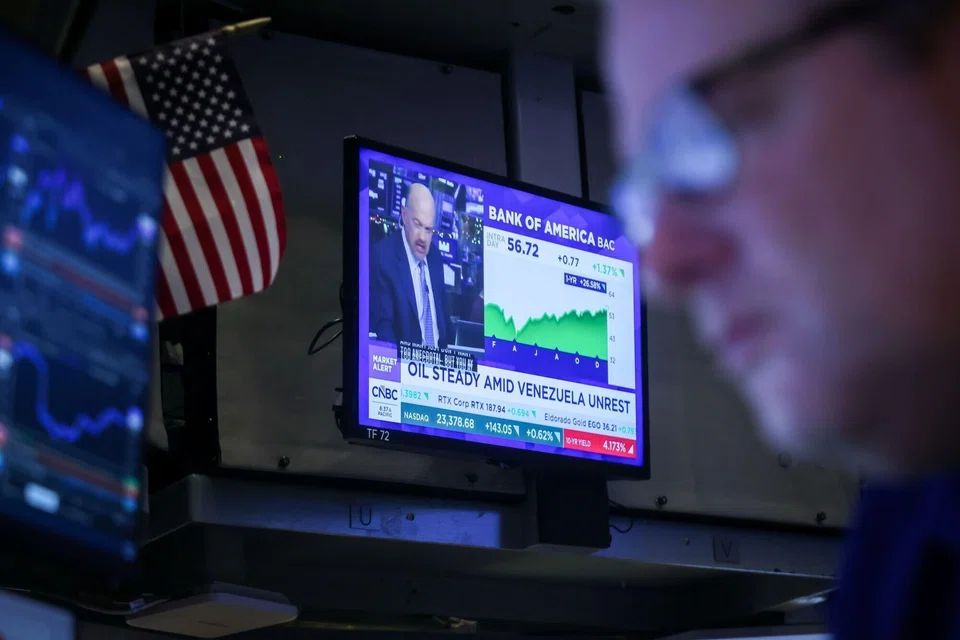
[HOUSTON] Oil prices settled up US$1 a barrel on Monday as traders assessed the possible impact on crude flows from Venezuela, home to the world’s largest oil reserves, following the US capture of Venezuelan President Nicolas Maduro.
Brent crude futures settled up US$1.01 or 1.66 per cent, at US$61.76 a barrel. US West Texas Intermediate crude settled up US$1 or 1.74 per cent, to US$58.32.
Both benchmarks rose more than US$1 in late morning trade after falling more than US$1 earlier in a choppy session, as investors digested news of Maduro’s capture and that Washington would take control of the Opec member whose crude exports had been under a US embargo that remains in place.
“The unknown for the oil market is how oil flows from Venezuela will change due to US actions,” Aegis Hedging analysts said in a note.
The Trump administration did not consult with oil companies ExxonMobil ConocoPhillips or Chevron Corp about Venezuela before or after US forces captured Maduro, according to four oil industry executives familiar with the matter, but meetings are now planned for later this week.
“I don’t think you’re going to see any company other than Chevron, who’s already there you know, commit to developing this resource,” said one of the executives. Venezuelan oil output has plummeted in recent decades, curbed by mismanagement and a lack of foreign investment after the nationalisation of oil operations in the 2000s.
Output averaged about 1 million barrels per day last year, equating to about 1 per cent of global production. Venezuela’s acting president offered on Sunday to cooperate with the US.
“I expect the naval attack and blockade to be lifted and, eventually, sanctions to be lifted, allowing much, if not all, of the Venezuelan oil stuck at sea and in bonded storage to become available to the market,” said Simon Wong, portfolio manager at Gabelli Funds, adding that it will take some time for Venezuela to increase production.
About a dozen oil tankers loaded with Venezuelan crude and fuel have left the country’s waters since the start of the year in apparent defiance of the US government’s blockade on exports, according to documents seen by Reuters and industry sources, including monitoring service TankerTrackers.com.
Wider geopolitical risks
US President Donald Trump also raised the possibility of further US interventions, suggesting Colombia and Mexico could face military action if they did not reduce the flow of illicit drugs. Analysts are also awaiting Iran’s reaction to Trump’s threat to intervene in a crackdown on protests in the Opec producer.
“There’s clearly more geopolitical risk now,” Simon Lack, portfolio manager of the Catalyst Energy Infrastructure Fund, said in a note.
“There’s still very low but rising risk for US-backed regime change in Colombia or even Iran,” Lack added. Elsewhere, the Organization of the Petroleum Exporting Countries and its allies decided to maintain their output on Sunday. REUTERS
Decoding Asia newsletter: your guide to navigating Asia in a new global order. Sign up here to get Decoding Asia newsletter. Delivered to your inbox. Free.
Share with us your feedback on BT's products and services
TRENDING NOW

ComfortDelGro appoints two new independent directors

Once staunchly pro-China, Malaysian Chinese businesses are now distancing themselves from Beijing

NoonTalk needs continued financial support from CEO Dasmond Koh, auditors warn

DP Architects sets the benchmark for sustainability disclosure and design

