Oil slides 2% on rising US fuel stocks and output
 Add BT as a preferred source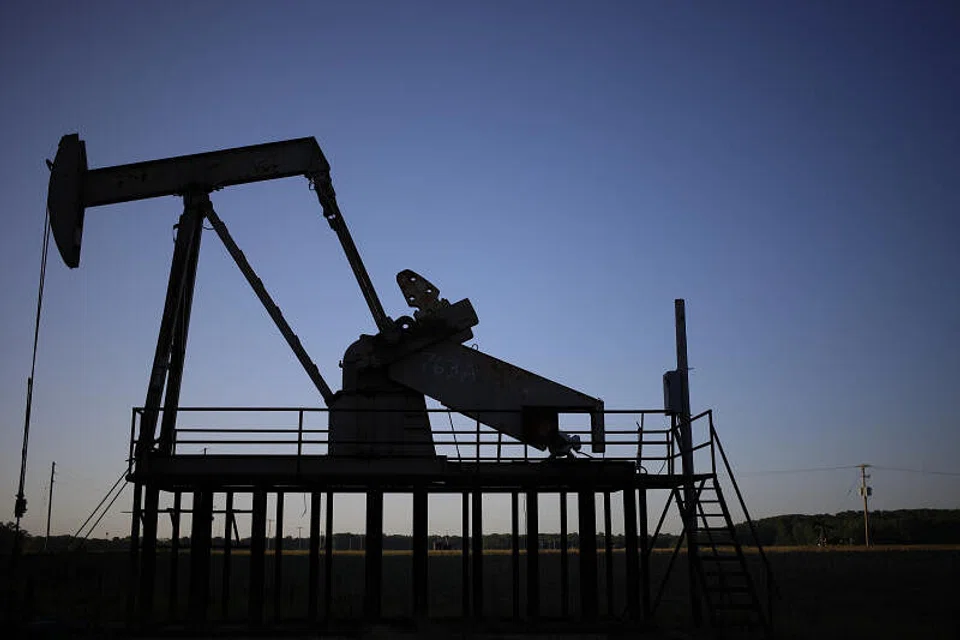
DeeperDive is a beta AI feature. Refer to full articles for the facts.
OIL prices slid about 2 per cent on Wednesday as a rise in US petrol and distillate inventories and worries about slower economic growth around the world offset ongoing concerns about tight crude supplies.
Brent futures for August delivery fell US$1.72, or 1.5 per cent, to settle at US$116.26 a barrel. The August contract will expire on Thursday and the more-active September contract was down US$1.35 to US$112.45.
US West Texas Intermediate crude for August fell US$1.98, or 1.8 per cent, to settle at US$109.78.
The Energy Information Administration (EIA) said US crude inventories fell last week even as production hit its highest level since April 2020 during the first wave of the coronavirus pandemic.
Fuel stocks rose as refiners ramped up activity, operating at 95 per cent of capacity, the highest for this time of year in four years.
"The EIA report put a damper on the market. The rise in petrol and distillate inventories eases the pressure a bit and the uptick in US production also factored into the price decline," said John Kilduff, partner at Again Capital LLC in New York.
Navigate Asia in
a new global order
Get the insights delivered to your inbox.
Those surprise inventory gains caused US petrol and distillates futures to drop about 3 per cent and 4 per cent, respectively. Traders said crude futures followed the fuel prices lower.
Also putting pressure on oil was a rise in the US dollar against a basket of other currencies to its highest since hitting a 19-year high in mid June.
A stronger dollar makes oil more expensive for buyers using other currencies.
Brent and WTI gained about 7 per cent over the prior three sessions on worries about tight supplies due in part to Western sanctions on Russia.
"Given that almost 1/5 of global oil producing capacity today is under some form of sanctions (Iran, Venezuela, Russia), we believed there is no practical way to keep these barrels out of a market that was already exceptionally tight," JPMorgan said in a research note.
But investors are also concerned that slowing economies could dent energy demand as central banks hike interest rates to battle inflation.
The US Federal Reserve will not let the economy slip into a "higher inflation regime" even if it means raising interest rates to levels that put growth at risk, Fed Chair Jerome Powell said.
Uncertainty in global oil and gas markets could stay for some time to come as spare capacity is very low while demand is still recovering, Shell chief executive officer Ben van Beurden said.
The Organization of the Petroleum Exporting Countries (Opec) and its allies such as Russia that form the Opec+ group, began a series of two-day meetings on Wednesday with sources saying chances of a big policy change look unlikely this month.
Analysts are concerned that Saudi Arabia and the United Arab Emirates (UAE) may not have enough spare capacity to make up for lost Russian supply. French President Emmanuel Macron said this week he was told these producers will struggle to increase output further.
However, the UAE energy minister said the country, which is producing about 3 million bpd, has some spare capacity above its Opec quota of 3.17 million bpd.
Analysts also warned that political unrest in Ecuador and Libya could tighten supply further.
In Russia, the Black Sea Caspian Pipeline Consortium (CPC) terminal will resume loading oil from its second single mooring point on July 1. REUTERS
Decoding Asia newsletter: your guide to navigating Asia in a new global order. Sign up here to get Decoding Asia newsletter. Delivered to your inbox. Free.
Share with us your feedback on BT's products and services