Oil slips nearly US$4 a barrel after Israel shows restraint in strikes on Iran
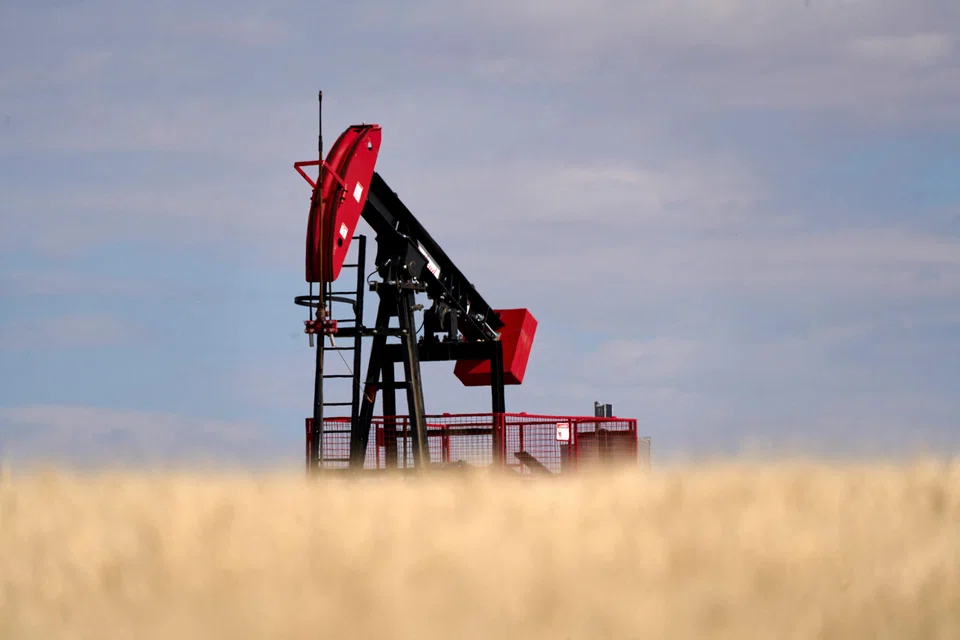
OIL prices tumbled nearly US$4 a barrel on Monday after Israel’s retaliatory strike on Iran over the weekend bypassed Tehran’s oil and nuclear infrastructure and did not disrupt energy supplies, easing geopolitical tensions in the Middle East.
Brent crude futures slumped US$3.89, or 5.1 per cent, to US$72.16 a barrel by 2210 GMT, while US West Texas Intermediate crude was at US$68.02 a barrel, down US$3.76, or 5.2 per cent.
Both contracts gained 4 per cent last week in volatile trade as markets priced in uncertainty around the extent of Israel’s response to the Iranian missile attack on Oct 1 and the US election next month.
Scores of Israeli jets completed three waves of strikes before dawn on Saturday against missile factories and other sites near Tehran and in western Iran, in the latest exchange in the escalating conflict between the Middle Eastern rivals.
The geopolitical risk premium that had built in oil prices in anticipation of Israel’s retaliatory attack came off, analysts said.
The more limited nature of the strikes, including avoiding oil infrastructure, has raised hopes for a de-escalatory pathway, Saul Kavonic, an energy analyst at MST Marquee, said. REUTERS
Decoding Asia newsletter: your guide to navigating Asia in a new global order. Sign up here to get Decoding Asia newsletter. Delivered to your inbox. Free.
Share with us your feedback on BT's products and services