

Oil tops US$115 to 5-month high as Middle East supply risks mount
Houthi strikes threaten wider hostilities around Hormuz, where crude exports recovered to near pre-war levels
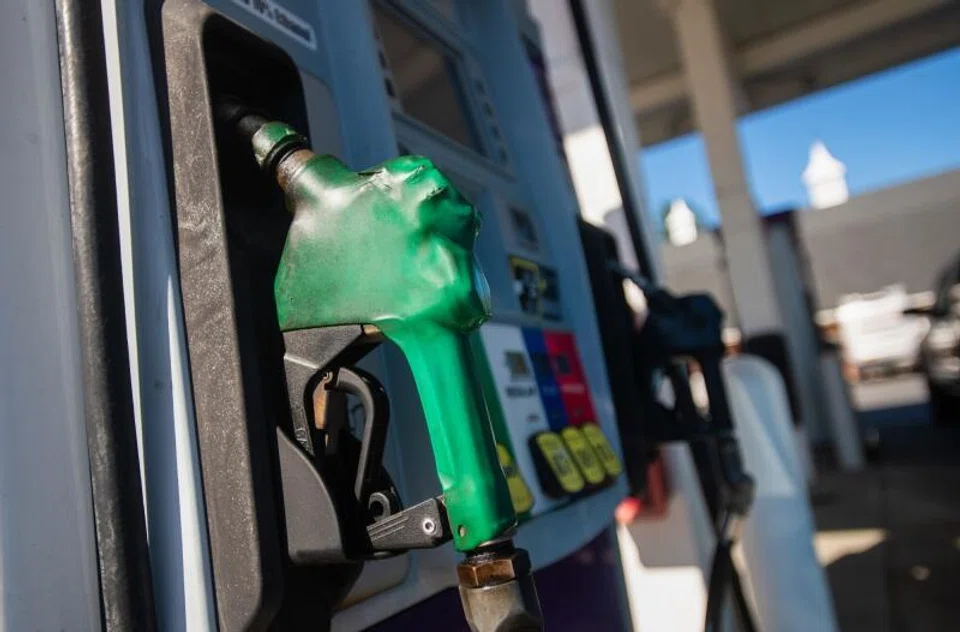
BRENT oil was trading at the highest level since May as attacks on Saudi Arabia intensified and the war with Iran remained unresolved.
The global benchmark traded around US$115 a barrel on Friday (Oct 23), up almost 4 per cent this week, while West Texas Intermediate was above US$100.
Iran-backed Houthi militants claimed recent attacks on the Saudi Red Sea port of Yanbu, as well as deadly strikes on an oilfield and airport in the kingdom.
The flare-up threatens to widen hostilities around the Strait of Hormuz, where crude exports have recovered to near prewar levels.
Oil prices posted a sharp gain ahead of last weekend, as traders were reluctant to hold short positions while markets were closed. A similar pattern emerged on Friday.
At the White House on Thursday, President Donald Trump told reporters that the US has “knocked” out Iran and threatened to go “a little bit further”, without elaborating.
The New York Times reported this week that the US and Israel have developed plans for renewed strikes against the Islamic Republic after the American midterm elections early in November.
Brent is up more than 85 per cent in 2026 because of the US-Iran war, which is now approaching its ninth month.
Refined-product prices have risen even faster, most notably diesel. More recently, however, flows through Hormuz have surged, weighing on physical markets even as futures climb.

“One of the most frequent questions during our client meetings was why oil prices remain elevated despite the apparent recovery in Arab Gulf exports,” Citigroup analysts wrote in a note.
“We would caution against extrapolating a few days of stronger flows into a full normalisation of exports, as temporary increases may reflect inventory drawdowns or the release of previously hoarded barrels.”
The US is preparing for a protracted conflict with Iran and could still be mired in a stalemate a year from now, Trump’s ambassador to the United Nations, Mike Waltz, told the Financial Times. The US Navy can maintain its blockade of Iranian ports for the “foreseeable future” and the administration is tightening economic pressure on Teheran, he added.
The Yemen-based Houthis have repeatedly attacked Saudi Arabia in recent months.
State-owned Aramco evacuated its Dhahran headquarters on Thursday and asked staff to work from home after an alarm, said people familiar with the matter. The reason for the alarm was not immediately known.
While crude flows from the Persian Gulf have recovered, oil-product shipments from the region remain constrained.
That squeeze, along with intensifying Ukrainian attacks on Russian refineries, has prompted governments to tap stockpiles. Trump is also pushing measures to lower prices ahead of the midterm elections, including a diesel deal with Moscow. BLOOMBERG
Decoding Asia newsletter: your guide to navigating Asia in a new global order. Sign up here to get Decoding Asia newsletter. Delivered to your inbox. Free.
Share with us your feedback on BT's products and services
TRENDING NOW

Singapore’s central gas buyer affirms Indonesia’s role as ‘important partner’ amid export review warning

Why the biggest business decision about AI isn’t which model to choose

Is Manila Asia’s new dining hot spot?

KKR founders among investors buying 42% of Peter Lim’s Valencia; club valued at US$1.4 billion

