

Oil traders send gasoline ships to US to plug supply shortfalls
London
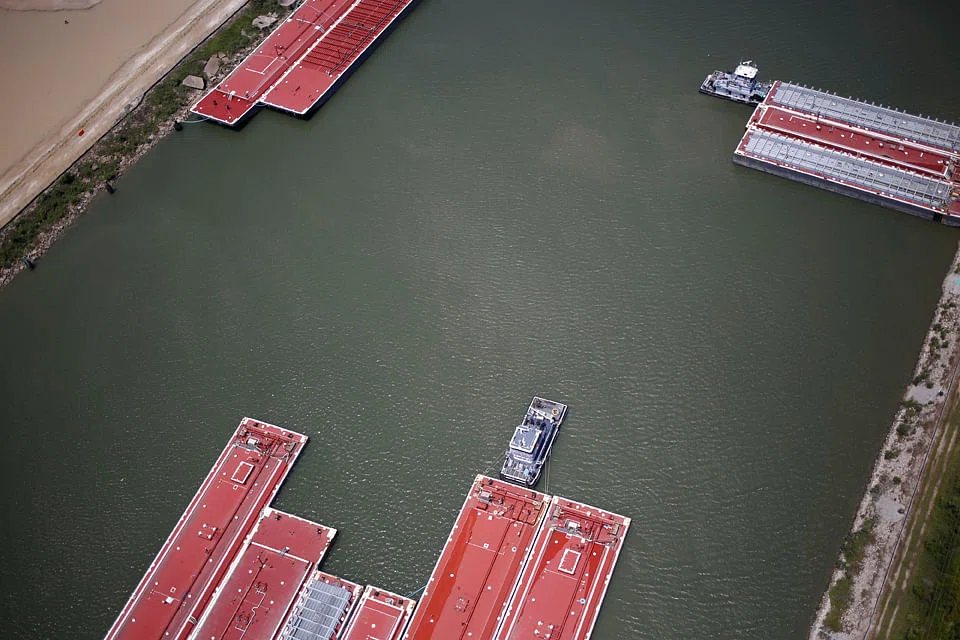
OIL traders are rushing to book tankers to haul European gasoline across the Atlantic Ocean as Hurricane Harvey transforms the global market for refined fuels.
Since Harvey made landfall on Aug 26, traders have booked 20 tankers to send European fuels to the US, according to charter lists compiled by Bloomberg.
The rate of bookings is about double the average for August. Most vessels have a capacity of 37,000 metric tons each. Shipbrokers said cargo flows to New York will be the highest since November, when a pipeline blast curbed inflows from the Gulf of Mexico.
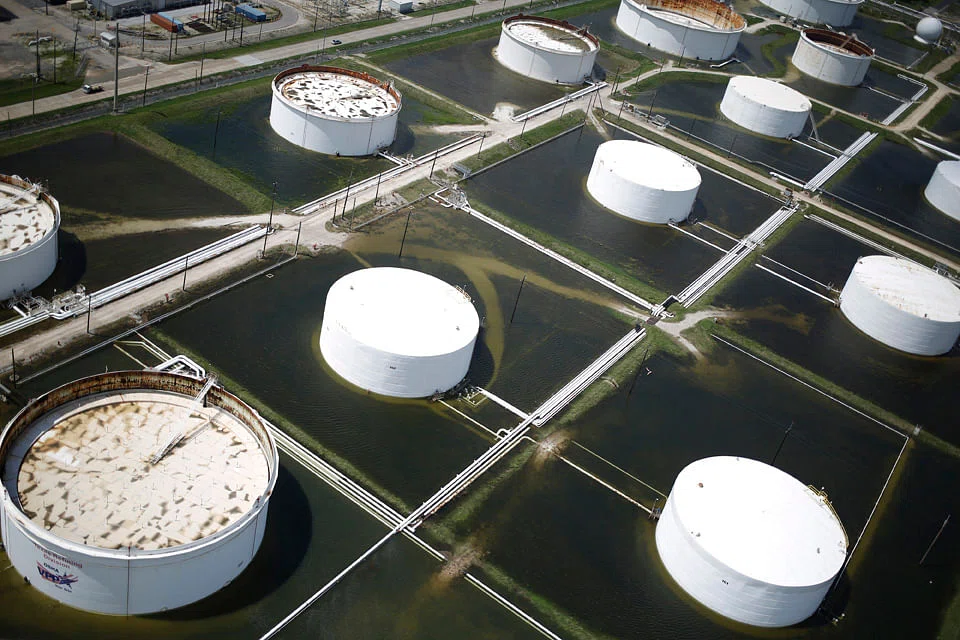
Harvey, now a tropical storm, has brought torrential rain and triggered the collapse of levees, dams and drains. It has also knocked out almost a quarter of the US's refining capacity, of which more than half is in the Gulf of Mexico region. That, in turn, has lowered domestic crude prices, since fewer plants are able to process it, but it has also simultaneously restricted the supplies of fuel like gasoline and diesel.
Ehsan ul-Haq, a London-based director of crude oil and refined products at Resource Economist Ltd, said: "It will take several weeks before the whole refining capacity is restored. As a result, increased gasoline flows from Europe to the US will continue at least for three to four weeks."
Many of the tankers booked for cross-Atlantic voyages have multiple options for where to take their cargo. That means some could also head to Mexico, which is competing with the US for resupply because of fuel shortages of its own.
A survey of shipbrokers showed they anticipated 30 lots of cargo being booked to load over the next two weeks; the last time shipments were higher was last November, after an explosion and fire curbed flows through the Colonial pipeline from the Gulf Coast to Greensboro in North Carolina.
The price of European gasoline cracks, a guide of profit for refiners processing the fuel, have surged to a two-year high, according to data from PVM Oil Associates Ltd. On a seasonal basis, it is at the highest. A barrel of the fuel costs US$18.44 more than crude, a record for the time of year, according to PVM data compiled by Bloomberg - and this is at a time when the outright price of crude itself is still trading at less than half of where it was in mid-2014.
Gasoline futures in New York extended gains on Thursday in their longest winning streak since 2013, with prices climbing over US$2 a gallon for the first time in more than two years.
With the estimated costs of the disaster rising each day and the full extent of damage to refineries in the Gulf of Mexico still unclear, the shipments may continue for weeks to come.
Plants handling 4.3 million barrels a day of crude were halted by Harvey, data compiled by Bloomberg show. The nation can process about 18.6 million barrels a day, of which about half (9.7 million barrels a day) is in the region including Houston.
Carsten Fritsch, an analyst at Commerzbank AG, said of the European gasoline market in a phone interview: "With sharply rising flows from Europe to the US Gulf, we're also seeing a massive spike in crack spreads. It depends on how long the refinery closures will remain in place. As long as this is the case, flows will continue and crack spreads look well supported."
It is not just European gasoline markets that have risen since Harvey hit, gasoil markets are strengthening sharply too as the region depends on Gulf of Mexico refineries for imports. In a market that was already showing signs of tighter supply, thanks to a major disruption at Pernis in Rotterdam, Europe's largest refinery, the severe restriction of flows from the US is also providing support.
Contracts for October delivery are now about US$6 a ton more expensive than those for November, a market condition that indicates concerns over a scarcity of supply.
Warren Patterson, a commodity strategist at ING Bank NV, said: "For gasoil, we had the disruption from Pernis, and now with the storm, we're likely to see limited gasoil flows to Europe. We could see Europe looking more towards Asia to meet any shortfall from the US."
Goldman Sachs Group Inc, PVM Oil Associates and JBC Energy were among the oil market watchers to say that European refiners are set to benefit from the supply outages caused by Harvey. Outages in the US will lead to "windfall profits" for European refiners as demand gaps are filled, JBC said. BLOOMBERG
TRENDING NOW

Knight Frank’s Tan Tee Khoon leaves firm, Nicholas Keong takes over auction business
Keppel Energy, Sembcorp Utilities and Tuas Power to supply biomethane in pilot project

GovTech retrenches another 38 staff in second round of layoffs
Take-up of new private homes dives 45% in Q3 as prices accelerate with 1.4% rise

