

Oil turns negative as Opec eyes Russia suspension from output deal
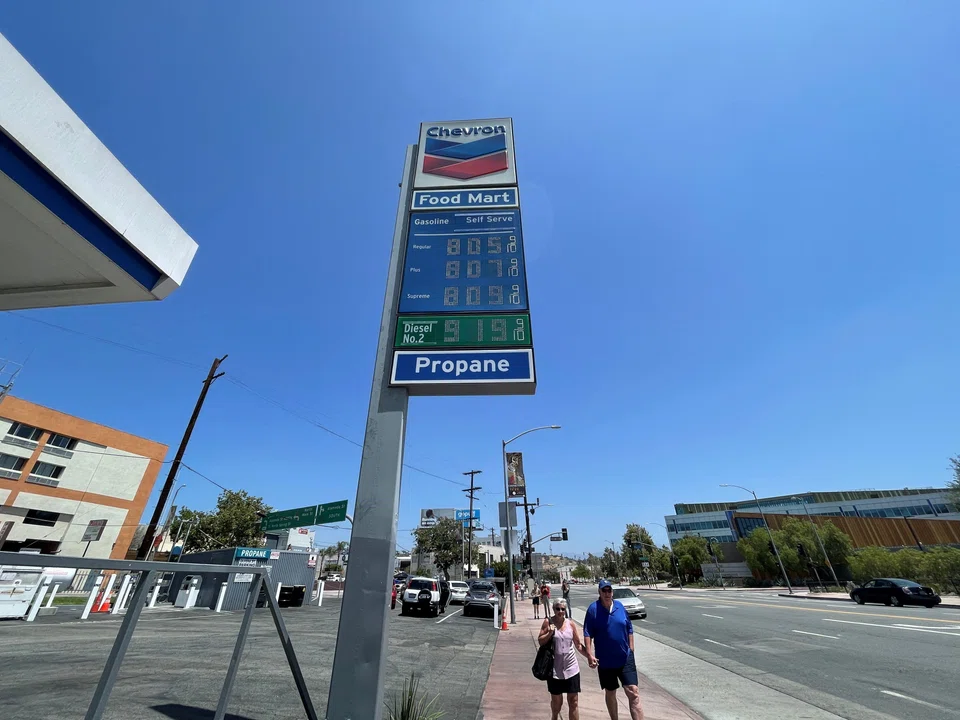
OIL prices turned negative on Tuesday after a report that some producers were exploring the idea of suspending Russia’s participation in the Opec+ production deal. While there was no formal push for Organization of the Petroleum Exporting Countries to pump more oil to make up for any potential Russian shortfall, some Gulf members had begun planning for an output increase sometime in the next few months, the Wall Street Journal reported, citing Opec delegates. Brent crude futures for August, the most actively traded contract, settled down US$2, or 1.7 per cent, at US$115.60 a barrel, after rising to US$120.80 earlier in the day. The front-month contract for July, which expired on Tuesday, closed up US$1.17, or 1 per cent, at US$122.84. US West Texas Intermediate (WTI) crude settled at US$114.67 a barrel, down 40 cents or 0.4 per cent from Friday’s close. Earlier in the session, it had touched US$119.98, its highest since March 9. There was no settlement on Monday’s US Memorial Day holiday. “The suspension of Russia from Opec+ could be a precursor to Saudi Arabia and the United Arab Emirates utilising their spare production capacity, because they would feel that they no longer have a production quota agreement that needs to recognise Russia’s interest,” said Andrew Lipow of Lipow Oil Associates in Houston. Opec and allies led by Russia, collectively known as Opec+, have been unwinding record output cuts in place since the Covid-19 pandemic took hold in 2020.
Under a deal reached in July last year, the group was set to increase output targets by 432,000 barrels per day every month until the end of September. However, Russian crude output in April fell by nearly 9 per cent from the previous month, an internal Opec+ report showed this month. Despite the late reversal in direction in the session, both benchmarks ended May higher, marking the sixth straight month of gains. They have risen more than 70 per cent over the period. The premium of August-loading Brent contracts over a six-month spread LCOc2-LCOc8 hit a nine-week high at close to US$15 a barrel, indicating current supply tightness. Prices were supported most of the session after the European Union agreed to a partial and phased ban on Russian oil, China decided to lift some Covid-19 restrictions and the US summer driving season kicked off. EU leaders agreed in principle to cut 90 per cent of oil imports from Russia, the bloc’s toughest sanction yet on Moscow since the invasion of Ukraine three months ago. Once fully adopted, sanctions on crude will be phased in over six months and on refined products over eight months. The embargo exempts pipeline oil from Russia as a concession to Hungary. US crude oil production rose in March by more than 3 per cent to 11.7 million bpd, its the highest since November, according to the government. However, output has been slow to recover from the impact of the coronavirus pandemic and is still far below its record high of 12.3 million bpd in 2019. Oil prices found further support as Shanghai announced an end to its Covid-19 lockdown, and will allow people in China’s largest city to leave their homes and drive their cars from Wednesday. US retail petrol prices also touched a record national average of US$4.622 a gallon, according to AAA gas prices data as Memorial Day weekend marked the official start of the summer driving season. REUTERS
Decoding Asia newsletter: your guide to navigating Asia in a new global order. Sign up here to get Decoding Asia newsletter. Delivered to your inbox. Free.
Share with us your feedback on BT's products and services
TRENDING NOW

Fed hike throws Singapore banks a margin lifeline; UOB likely to benefit more

He built the Vingroup empire. Now South-east Asia’s richest man is handing some key roles to his sons
Chagee, Mixue and Luckin won the market. Sustaining their edge is the harder part

Canada is upping oil flows to Asia, but South-east Asia’s refineries aren’t ready to handle them yet

