

One of South Korea's biggest polluters is switching plastics for coal
 Add BT as a preferred source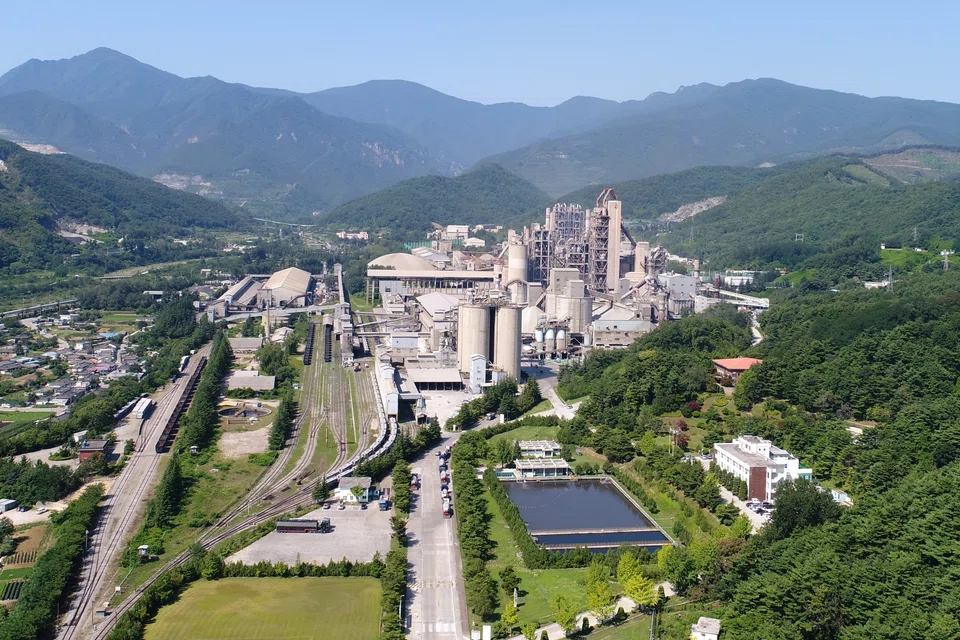
ONE of the most polluting companies in South Korea is seeking to reduce emissions by using waste plastic to fire its cement kilns instead of coal, a practice that has come under question in other parts of the world.
Ssangyong C&E, the nation's biggest cement maker, is burning 3,000 tons of synthetic resin waste from used plastics, textiles and tyres per day to run its plant in Donghae on South Korea's east coast. The firm says the move has reduced its coal use by about 30 per cent, though gross carbon emissions have fallen only 3.3 per cent from 2018 levels.
Korean cement makers are under increasing pressure to reduce their environmental impact as part of the nation's goal to lower emissions 40 per cent from 2018 levels by 2030.
Ssangyong emitted 9.9 million tons of CO2 equivalent in 2020, the fourth-largest amount among Korea's industrial emitters, according to David Kang, an analyst at BloombergNEF. The industry emits about 10 per cent of total carbons generated by Korean industry, one of the 3 dirtiest sectors, along with steel and petrochemicals, according to the Korean trade ministry.
As part of that target, cement makers will have to replace 36 per cent of coal usage with waste to cut their emissions 12 per cent by 2030. Ssangyong C&E has ambitions to become coal-free by 2030, by switching to what it calls circular resources - or waste.
Critics of waste-to-energy practices, however, say that burning plastic still produces carbon dioxide emissions that accelerate global warming. Ssangyong C&E said its kilns, which reach up to 2,000 degrees Celsius can "significantly trim" emissions and there's no impact on people's health and the environment.
Navigate Asia in
a new global order
Get the insights delivered to your inbox.
"Saying cement makers are using waste for fuel so they are going green could make consumers misunderstand the truth," said Noh Woong-rae, an opposition lawmaker who is pushing for legislation in Korea to make the industry disclose the materials used for fuel.
South Korean cement makers use 88 kinds of waste for fuel, more than the 34 allowed in the US, 25 in Germany and 20 in Japan. The nation also lacks regulations to monitor heavy metals, Noh said. Cement makers "should consider the impact on people's health, not just recycling resources", he said.
Ssangyong C&E is controlled by Korean buyout firm Hahn & Co, which has invested around 478 billion won (S$504 million) on facilities that use waste plastic for fuel, a waste heat recovery system, an energy storage system, and buying 10 waste suppliers to secure supplies of garbage to burn. BLOOMBERG
Decoding Asia newsletter: your guide to navigating Asia in a new global order. Sign up here to get Decoding Asia newsletter. Delivered to your inbox. Free.
Share with us your feedback on BT's products and services
TRENDING NOW

On the board but frozen out: The Taib family feud tearing Sarawak construction giant apart
Is it time to scrap COE categories for cars?
Thai and Vietnamese farmers may stop planting rice because of the Iran war. Here’s why

As more Asean states turn to Russia for fuel, will Moscow boost its influence in the region?

