

Opec cuts 2022 world oil demand forecast due to Ukraine conflict
 Add BT as a preferred source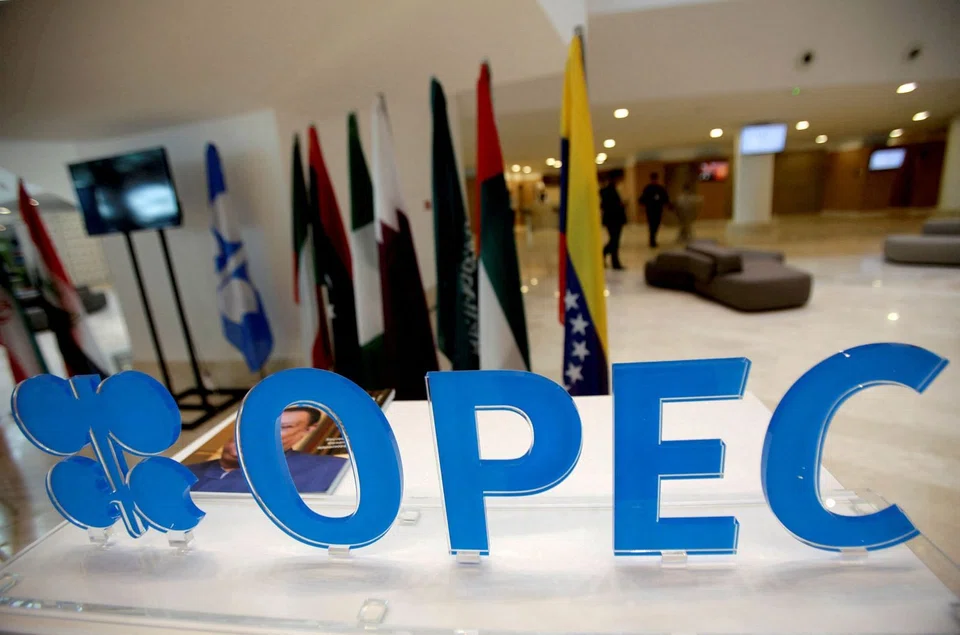
DeeperDive is a beta AI feature. Refer to full articles for the facts.
[LONDON[ Opec on Tuesday cut its forecast for growth in world oil demand in 2022 citing the impact of Russia's invasion of Ukraine, rising inflation as crude prices soar and the resurgence of the Omicron coronavirus variant in China.
In a monthly report, the Organization of the Petroleum Exporting Countries (Opec) said world demand would rise by 3.67 million barrels per day (bpd) in 2022, down 480,000 bpd from its previous forecast.
Russia's invasion of Ukraine in February sent oil prices soaring above US$139 a barrel, the highest since 2008, worsening inflationary pressures.
Crude has since fallen as the United States and other nations announced plans to tap strategic oil stocks to boost supply, but remains over US$100.
"While it is forecast that both Russia and Ukraine will be facing recessions in 2022, the rest of the global economy will be thoroughly impacted as well," Opec said in the report.
"The strong rise in commodity prices in combination with ongoing supply-chain bottlenecks and Covid-19-related logistical logjams in China and elsewhere are all fuelling global inflation." Even so, world oil consumption is still expected to surpass the 100 million bpd mark in the third quarter, as Opec has been predicting.
Navigate Asia in
a new global order
Get the insights delivered to your inbox.
On an annual basis according to Opec, the world last used more than 100 million bpd of oil in 2019.
Opec and its allies which include Russia, known as Opec+, are unwinding record output cuts put in place in 2020 and have rebuffed Western pressure to raise output at a faster pace.
At its last meeting, Opec+ swerved the Ukraine crisis and stuck to a previously agreed plan to boost its monthly output target by 432,000 bpd in May.
Underinvestment in oilfields in some Opec members - partly a result of the pandemic - means the group has not been able to fully deliver on its promised output increases.
Opec's report showed Opec output in March rose by just 57,000 bpd to 28.56 million bpd, lagging the 253,000 bpd rise that Opec is allowed under the Opec+ deal. REUTERS
Decoding Asia newsletter: your guide to navigating Asia in a new global order. Sign up here to get Decoding Asia newsletter. Delivered to your inbox. Free.
Copyright SPH Media. All rights reserved.
TRENDING NOW

Japan stocks look set for new highs in 2025 on earnings, reform

Beijing’s calculated silence on the Iran war

China pips the US if Asean is forced to choose, but analysts warn against reading it like a sports result

Richard Eu on how core values, customers keep Singapore’s TCM chain Eu Yan Sang relevant

