Oil climbs after Opec+ reiterates pause with focus on Venezuela
Oil posts a fourth straight monthly drop in November as expectations of a swelling surplus weigh on outlook
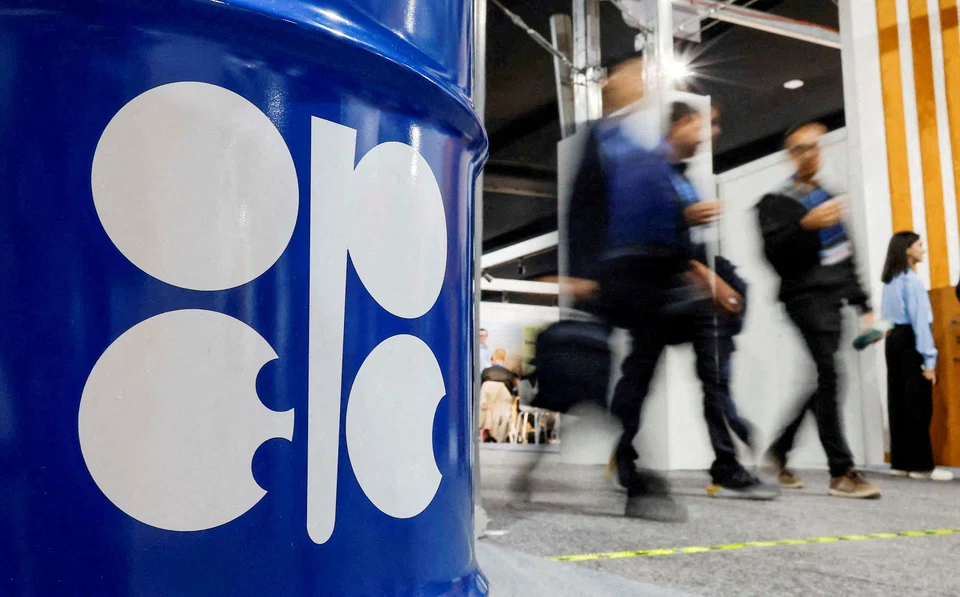
[LONDON] Oil rose after Opec+ confirmed it will stick with plans to pause production hikes during the first quarter, while traders weighed the fallout from US President Donald Trump’s rhetoric around Venezuela.
Brent traded above US$63 a barrel and West Texas Intermediate was near US$60. The producer-group led by Saudi Arabia reiterated the three-month halt – first announced at the start of last month – after meetings on Sunday (Nov 30). Opec+ again said that the move reflected weaker seasonal market conditions.
Oil posted a fourth consecutive monthly drop in November as expectations for a swelling surplus weighed on the outlook, with the International Energy Agency forecasting a record glut in 2026. Still, geopolitical tensions across the Middle East and other regions have often buoyed prices this year.
“While the outlook for the market is bearish with expectations of a large surplus, lingering supply risks mean that it is taking longer for these bearish fundamentals to be fully reflected in prices,” said Warren Patterson, Singapore-based head of commodities strategy at ING Groep.
On Saturday, Trump escalated pressure on Venezuela by warning that airlines should consider the airspace above and around the country to be closed, before downplaying those comments on Sunday. However, US forces have been massing in the region, keeping the market on edge.
Meanwhile, Kazakhstan’s crude exports through Russia to the Black Sea may be reduced through June after one of the Caspian Pipeline Consortium’s moorings was attacked and damaged, Russian newspaper Kommersant reported, citing assessments by sources it did not identify.

“For now, geopolitics and Opec+ discipline look more like forces trying to stop oil from breaking down than catalysts for” sustained price gains, said Charu Chanana, chief investment strategist at Saxo Markets in Singapore. It’s about “headline risk and preventing a deeper sell-off”, she added. BLOOMBERG
Decoding Asia newsletter: your guide to navigating Asia in a new global order. Sign up here to get Decoding Asia newsletter. Delivered to your inbox. Free.
Share with us your feedback on BT's products and services