

As Opec+ meeting looms, expectations heighten over big output cuts

Anita Gabriel
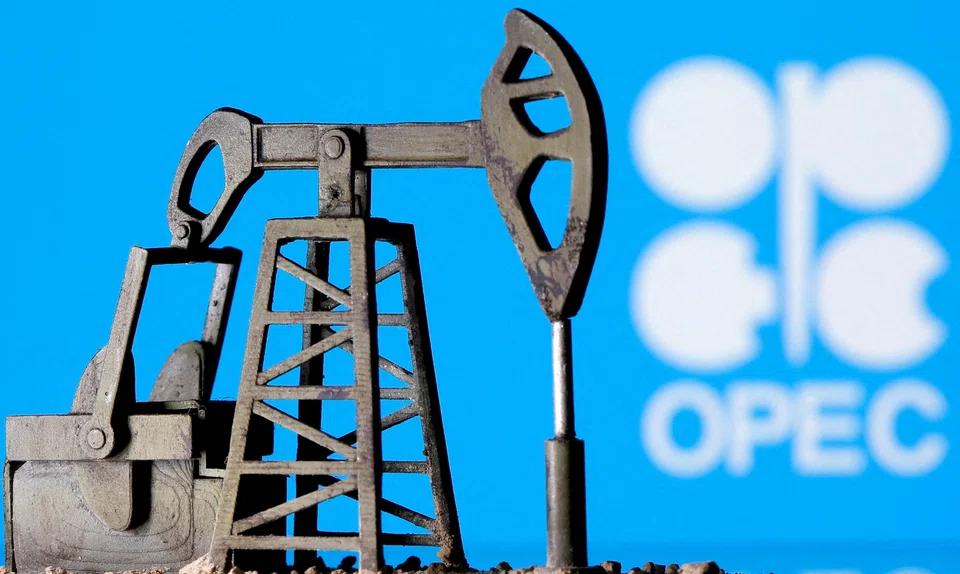
EXPECTATIONS are high that the Organization of the Petroleum Exporting Countries and allies (Opec+) are set to slash oil output at Wednesday’s (Oct 5) meeting, given the oil cartel’s “desire for price support” as evinced from its symbolic cut at last month’s powwow.
“In all likelihood, the Opec+ is set for a cut, if not a series of cuts, in production. Clearly, the desire for price support has been evident in the talks of “imbalance” in spot and futures markets, which has been a thinly veiled protestation of sharp price declines.,” said Mizuho Bank’s Asia & Oceania Treasury economics and strategy head Vishnu Varathan.
Priyanka Sachdeva, a market research analyst at Phillip Nova said: “Despite the ongoing crisis in Ukraine and supply chain disruptions, Opec+ has always worked towards supporting higher prices on anticipation of demand drop as concerns for economic downtrend are escalating”.
“Opec+ has boosted output after the sharp cuts introduced during the pandemic very reluctantly, and any move to cut output will be very much in line with their agenda to balance demand and supply”.
Expectations of big output cuts have pushed oil prices materially higher this week. Both benchmarks Brent and West Texas Intermediate (WTI) have inched higher on Tuesday’s Asian session. Brent is hovering between US$89 and US$90 per barrel strategic mark while WTI is marginally up at US$83.81 per barrel.
According to Reuters, Opec+ is weighing the biggest output cut – by more than 1 million barrels per day (bpd) – since the start of the Covid-19 pandemic, ahead of its first in person meeting since March 2020. If that unfolds, it will be the group’s second consecutive monthly cut after it cut output by 100,000 bpd last month.
Stephen Innes of SPI Asset Management however opined that Opec is producing well below the current quota, so the actual reduction may likely be smaller than what is getting bandied around.
“I think we will see a cut of 500,000 bpd, which should offset weaker China and Europe demand. But what is essential is the move will signal a willingness to cut production further than the last meeting and would support the view that Opec is intent on defending a price floor,” he said.
Since June, Brent and WTI prices have been weighed down by a strong US dollar and fears over a recession as a result of the US Federal Reserve’s rate hikes, which could hurt energy demand. Such bearishness may well already be priced into oil which may provide room for some stabilisation, experts say.
In a report released on Tuesday, Fitch Solutions Country Risk and Industry Research said: “The macroeconomic outlook remains generally challenging, but we see several bright spots for oil from a demand perspective, including heightened gas-to-oil switching, an ongoing recovery in the aviation sector and a greater economic reopening in China.
“The supply-side outlook is highly uncertain and fraught with risk. A key swing factor is Opec+. We expect a substantial cut to be made, which will not only help to tighten the physical fundamentals, but sends an important signal to the market.”
Referring to Brent’s more than 20 per cent fall over Q3 and 10-11 per cent decline in September, Varathan said: “Clearly, the Opec+ is digging in its heel to stem the downward trajectory in global oil prices amid recession risks. In fact, it is widely believed that discussions about production cuts have been underway, and possibly widely agreed upon, well ahead of Wednesday’s Opec+ meeting.”






