

Opec+ still sees no need to change plan despite Russia crisis
 Add BT as a preferred source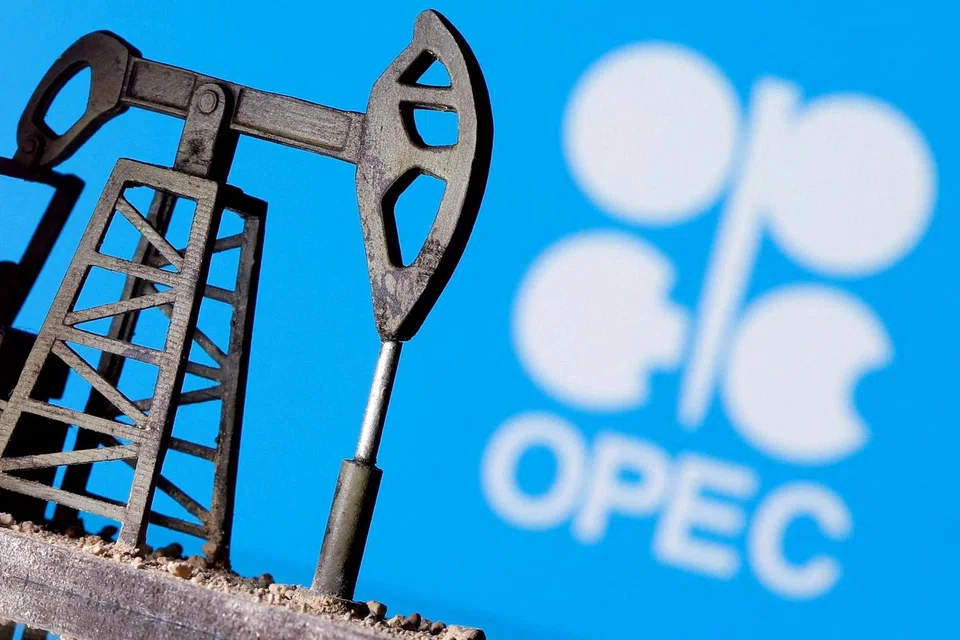
DeeperDive is a beta AI feature. Refer to full articles for the facts.
[DUBAI] Opec and its allies signalled that they still see no need to adapt their oil-supply plans even as the Russia-Ukraine conflict threatens the biggest market disruption in decades.
"We won't add resources if the market is balanced, and the resources are in the market," United Arab Emirates Energy Minister Suhail Al-Mazrouei said Monday (Mar 28) at a conference in Dubai. Opec+ isn't focused on whether the specific loss of Russian shipments is causing an imbalance, he added.
A number of delegates said privately they expect the Organisation of Petroleum Exporting Countries and its partners (Opec+) to stick to their longstanding plan and ratify another modest supply increase when they meet on Thursday.
The 23-nation coalition led by Saudi Arabia has so far rebuffed pressure to fill in for Russian supplies, which have been shunned by some buyers over the invasion of Ukraine. Riyadh and Abu Dhabi are keen to preserve ties with Moscow, indicating that they see no shortage even as Russian exports slump by a quarter and prices hold near US$100 a barrel.
If no alterations are made, Opec+ will ratify the increase of 430,000 barrels a day scheduled for May. With many members struggling to fulfil their planned increases over the past few months and global demand bouncing back from the pandemic, that decision may cause markets to tighten further - exacerbating the inflationary pressure hitting the world economy.
Russian alliance
Navigate Asia in
a new global order
Get the insights delivered to your inbox.
The UAE said the partnership with Russia, the largest crude producer in Opec+ after Saudi Arabia, remains solid. It's a stance that may disappoint the administration of US President Joe Biden and other leaders seeking to isolate President Vladimir Putin.
"Russia is an important member" of Opec+ and is likely to remain in the group, Al-Mazrouei said. "This is an alliance to stay; this is an alliance we need."
When Opec+ last met, at the start of this month, Saudi Energy Minister Prince Abdulaziz bin Salman made a studious effort to skirt any discussion of Russian military aggression or its market consequences, hurrying the meeting to conclude after just 13 minutes.
The Prince's discretion is easy to understand. The relationship with Moscow has been significant both economically and politically for the 2 Persian Gulf exporters, bolstering their control over world crude markets and allowing them to lessen their reliance on Washington.
That's been particularly critical for Riyadh as Biden sought to sideline Crown Prince Mohammad bin Salman following the killing of columnist Jamal Khashoggi.
The wider oil market has seen a divided response to Moscow's attack on its neighbour. Major oil companies like TotalEnergies and Shell are winding down oil purchases from Russia amid widespread condemnation of the invasion.
However, China's oil refiners are discreetly purchasing cheap Russian crude as the nation's supply continues to seep into the market. India has also been picking up volumes.
Even as buyers are divided, the shockwaves of the invasion have been universally felt. Brent futures briefly surged to a 13-year peak near US$139 a barrel earlier this month, fanning the inflationary surge that's inflicting a cost-of-living crisis on millions. If Opec+ opts once again for a minimal response, that pain may only worsen. BLOOMBERG
Decoding Asia newsletter: your guide to navigating Asia in a new global order. Sign up here to get Decoding Asia newsletter. Delivered to your inbox. Free.
Share with us your feedback on BT's products and services
TRENDING NOW
Singaporeans can now buy record amount of yen per Singdollar
Beijing’s calculated silence on the Iran war

China pips the US if Asean is forced to choose, but analysts warn against reading it like a sports result

StarHub hands Ensign InfoSecurity control back to Temasek in S$115 million deal, books S$200 million gain

