Prices of agri commodities could hit new highs from severe El Nino weather

AGRICULTURAL commodities could come under intense price pressure and greater volatility amid supply risks, as the El Nino weather phenomenon kicks in and ravages crops such as sugar, cocoa and rice across the world.
However, market observers believe there is little risk – at least for now – of countries imposing protectionist measures to safeguard their domestic supply of these crops.
The global supply of several agricultural commodities – including key crops such as wheat, corn, cocoa, sugar and oilseeds – typically falls as a result of drier weather associated with El Nino.
Industry watchers are bracing themselves for a particularly intense spell this year, and say the resulting price spikes could be severe.
Aletheia Capital analyst Nirgunan Tiruchelvam said the current El Nino has a chance of developing into a “Godzilla” El Nino. This could create shortages in food, a decline in agricultural productivity across producing countries, and a resultant rise in protectionism if domestic supplies in countries are threatened.
He said that while food prices could “rise sharply across the board”, commodities produced in South-east Asian countries that are less economically developed could bear the brunt of this increase.
This is because in such countries, agri commodities are typically produced by smallholder farmers, who have less of a buffer against unforeseen circumstances. In developed countries, commodities tend to be produced on a larger scale.
In a note, analysts at Fitch Solutions unit BMI said they expect the El Nino phenomenon to peak between November 2023 and January 2024. According to them, the prices of soft commodities is likely to remain elevated across the board, and they note that rising oil prices have also diverted cane away from sugar production, towards ethanol production.
Darren Stetzel, vice-president of soft and agricultural commodities for Asia at financial services group StoneX, said this year’s El Nino phenomenon remains “a big area of concern” globally, particularly in the Asian and West African regions that have been hit by drought.
“This has tightened supply and will continue to do so in the near term if conditions get any worse.”
Both sugar and cocoa prices are now at highs that have not been seen in decades, he noted, adding that the El Nino phenomenon has turned sentiment across many agricultural commodities bullish in anticipation of the higher prices.
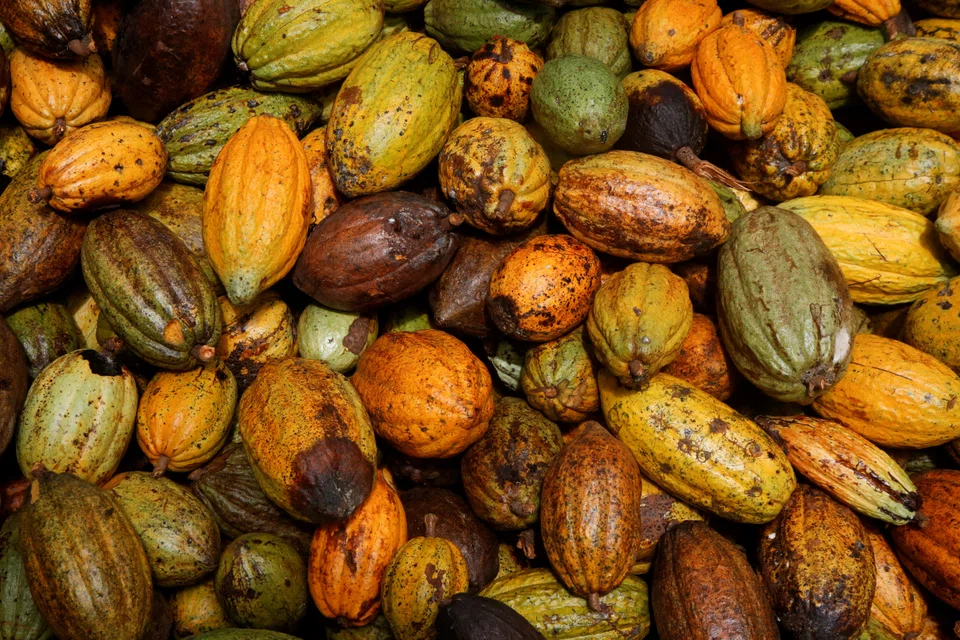
Weather issues plaguing the West African cocoa growing regions have depressed cocoa production forecasts for the next season to one of the lowest levels historically. Certified stocks have also begun falling since the start of the second half of the year, Stetzel said. “The situation is looking dire unless there is a dramatic improvement in the outlook. Even when the rain does arrive, it tends to be a little late, and the crop is already struggling.”
Market watchers are now anticipating cocoa prices to rise to over US$4,000 per tonne, a record for the commodity.
In mid-September, cocoa futures on the Intercontinental Exchange rose to a peak of US$3,757 per tonne – close to the commodity’s all-time high of US$3,763 per tonne in February 2011. Prices softened to US$3,502 per tonne as at the exchange’s close on Oct 2.
Palm oil prices, however, could be relatively shielded. An analyst from Maybank Investment Banking Group noted that Malaysia and Indonesia are in their seasonally peak production period of the year, despite the presence of El Nino, and supply is “definitely ample”.
But the output for next year’s crude palm oil production is still being assessed. “The current El Nino phenomenon is still unfolding, and this seasonal dry period usually lasts till end-October,” said an analyst. He noted that although rainfall has been “relatively good” north of the equator, the southern hemisphere appears relatively drier. This could threaten palm oil plantations.
India’s recent export ban on several categories of rice sent shocks across the global supply chain, sending traders and governments scrambling for alternatives. The country, one of the top rice producers, had halted exports to quell food price spikes in the country, and to address domestic concerns over inflation and rice shortages.
Maybank said it is not aware of any protectionist measure for palm oil supplies imposed by Malaysia. Indonesia has imposed export restrictions temporarily in the past “when it was absolutely necessary… to ensure sufficiency and availability of cooking oils across the entire domestic market”, the bank’s analyst said.
Aletheia’s Tiruchelvam believes the risks of protectionist measures from producing countries is not high at the moment, but could “rise rapidly” in the coming weeks.
But StoneX’s Stetzel said it is unlikely that protectionist measures will surface in the agri commodities sector as a result of the El Nino phenomenon. He nevertheless warned of heightened price pressures and volatility.
Funds are likely to continue adding to their long positions, he noted, which is adding “even more market pressure”.
Another key area to watch is the European Union’s new deforestation regulation, he said.
The new rules call for extensive due diligence on the value chains of agri commodities such as cocoa, coffee, oil palm, rubber and soybeans.
“Smaller farmers are at risk of being unable to bear these increased costs; and (there is a risk) of a two-tier market being created – one in relation to the supply of goods to the EU and another to the rest of the world.
“When implemented, it is highly likely this would lead to a considerable increase in market volatility as a result.”