

Radiant World table shows six lenders with US$870 million exposure
This is the first comprehensive accounting to be made public of lenders’ exposure to the iron ore trader
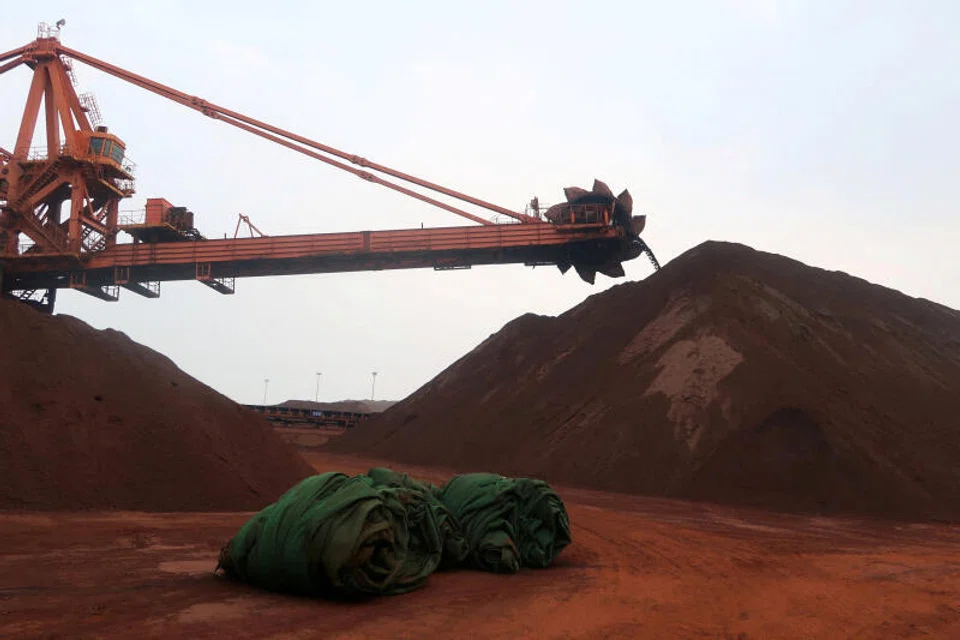
IRON ore trader Radiant World has disclosed US$870 million outstanding to six creditors who financed its receivables, according to a spreadsheet included in a legal filing by the embattled commodity trader.
The spreadsheet shows the two largest exposures as being held by Jefferies Financial Group and Intesa Sanpaolo, followed by Deutsche Bank, Mizuho Financial Group, Mariner Investment Group and Incomlend.
The spreadsheet is the first comprehensive accounting to become public of lenders’ exposure to Radiant World. It shows that Radiant’s lenders under traditional commodity trade finance and repo facilities have been repaid, while its lenders under receivables financing facilities are still owed substantial amounts of money.
At least two lenders under receivables financing facilities have accused Radiant World in legal proceedings of providing them with falsified documents under those facilities, with a lawyer for Jefferies last week accusing Radiant World of being part of a “very large scale fraud”.
Radiant World has denied wrongdoing and said the allegations stem from a commercial dispute with Glencore.
The spreadsheet is included as an attachment to an affidavit from Radiant World founder and owner Pinkesh Nahar.
It covers exposures for Radiant World’s main Singapore operating entity, Radiant World Corporation, but not facilities for related companies such as Sapphire Minmetals and Quanterra International.
The spreadsheet is not dated, though the affidavit was signed by Nahar in Mumbai on Sep 16.
Of the 19 non-receivables facilities listed in the spreadsheet, the only one shown as having outstanding exposure is a KBC Group letter of credit facility, with US$18 million outstanding.


However, Nahar said in the affidavit that this was in the process of being settled, and a spokesperson for KBC told Bloomberg on Monday it had “no exposure to Radiant at all”.
A spokesperson for Radiant World had no comment on the spreadsheet. Representatives for Jefferies, Intesa and Mizuho declined to comment, while a spokesperson for Mariner had no immediate comment and Incomlend did not respond to a request for comment.
A spokesperson for Deutsche Bank said: “The US$102.59 million claim represents our maximum exposure. We are pursuing all available recovery options. We do not comment on provisioning for individual situations.”
The figures in the spreadsheet do not include Radiant World’s non-financial creditors. Bloomberg has previously reported that Glencore has taken a provision of US$480 million on its net exposure to Radiant World. Rio Tinto also has some exposure to Radiant World, according to people familiar with the matter.
A Rio Tinto spokesperson declined to comment.
It was not clear how the numbers reconcile with other figures Radiant World has submitted in legal proceedings against it. A separate statement of Radiant World Corporation’s financial position on Sep 8, which was also part of the affidavit, showed total liabilities of US$599 million of which US$282 million were trade and payables, and US$316 million were borrowings.
In the affidavit, Nahar used the information on Radiant World’s borrowings to argue against an application by Mizuho to impose court-appointed restructuring executives to manage the company.
He said that of the financing facilities outstanding, only the US$18 million due to KBC was “due directly from Radiant”, with the remainder under receivables financing facilities whereby payment is due from Radiant World’s customers rather than the company itself.
He argued that Radiant World Corporation was solvent on the basis that it had US$1.07 billion of assets, including US$36 million of inventories, US$27 million of cash and US$1.007 billion of trade receivables – ie, money owed to it by customers.
Still, lawyers for Jefferies last week argued that the trade receivables figure could not be relied on, given allegations of invoice fraud against Radiant World.
“The core of the claim” was that Radiant World had “falsified documents in relation to supposed receivables”, the lawyers argued at a hearing in London. “The Court cannot rely on the veracity of that figure.” BLOOMBERG
Decoding Asia newsletter: your guide to navigating Asia in a new global order. Sign up here to get Decoding Asia newsletter. Delivered to your inbox. Free.
Share with us your feedback on BT's products and services
TRENDING NOW

He built the Vingroup empire. Now South-east Asia’s richest man is handing some key roles to his sons
32 companies, 6 individuals bag accolades at Singapore Corporate Awards 2026
Can a first-time homebuyer couple earning S$18,000 a month afford a new EC unit?

Floods compound Philippine growth woes from public-works scandal

