Rio Tinto warns of earnings hit from Covid absences, inflation
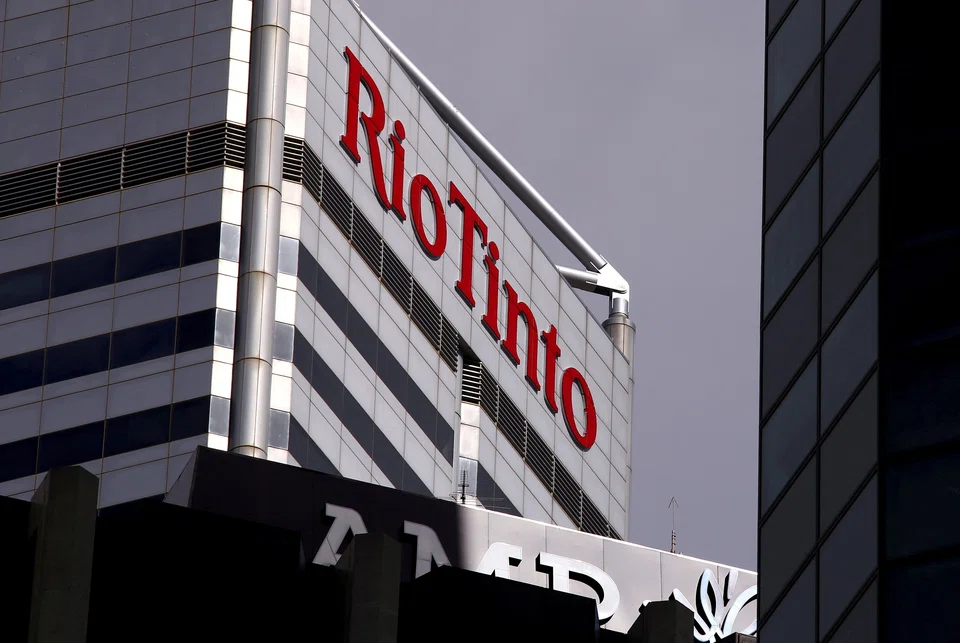
RIO Tinto on Friday (Jul 15) warned that Covid 19-related labour shortages in the resource-rich state of Western Australia and rising inflation would impact its underlying earnings in the second half, knocking its stock lower.
The global miner reported misses across the board in its second-quarter update on output, but it maintained guidance on its full-year iron ore shipments at 320-335 million tonnes (Mt) as it expects its newly opened Gudai-Darri mine in the Pilbara region to continue to raise production and reach full capacity by 2023.
Rising Covid cases at its Pilbara operations have led to “elevated levels of unplanned absences”, driving a 2 per cent drop in shipments of the steel-making commodity in the first half through June, the miner said. Adverse weather conditions also played spoilsport, it said.
For the second quarter, shipments rose 4.7 per cent to 79.9 Mt, narrowly missing an RBC estimate of 80.2 Mt and a UBS estimate of 80 Mt.
“As Gudai-Darri continues to ramp up, we expect increased production volumes and improved product mix in the second half,” Rio said in a statement.
Shares of the world’s biggest iron ore producer fell as much as 4.3 per cent to A$91.91, its lowest since November last year. The stock is down 3.4 per cent this year, as at the last close, versus a 12 per cent decline in the ASX 300 metals & mining index.
The results come as Rio takes on inflationary pressures and the risk of weaker demand for iron ore from top consumer China. The country’s attempts to balance its zero-Covid strategy, meaning tough curbs on business activity and consumers, with economic growth have been weighing on iron ore prices.
Iron ore futures have been on a downward slide recently, tumbling below the US$100 mark, as fears grew that demand for the steelmaking ingredient in China will remain depressed in the short term.
Australia’s mining triumvirate of Rio, BHP Group, and Fortescue Metals Group are all among the top 10 losers in the ASX 200 benchmark index.

Global miner BHP Group will report its fourth-quarter production results on Jul 19.
Rio will release its first-half financial results on Jul 27.
The lower prices achieved for iron ore sales, higher-than-expected provisional pricing for copper, and the guidance downgrades in aluminium all are likely to combine to reduce consensus estimates leading up to the results, said RBC Capital Markets analyst Tyler Broda.
“Another period with a lack of operational momentum doesn’t help in this type of market,” said Broda.
Mining companies around the world have lowered annual production targets or increased expected costs, blaming inflation, Covid lockdowns in China, an expected slowdown in global economic growth and the impact of Russia’s war in Ukraine.
The higher rates of inflation have impacted Rio’s underlying earnings, resulting in increased pre-tax costs of about US$400 million in the first half of fiscal 2022, the company said. REUTERS
Decoding Asia newsletter: your guide to navigating Asia in a new global order. Sign up here to get Decoding Asia newsletter. Delivered to your inbox. Free.
Share with us your feedback on BT's products and services