

Saudi Arabia cuts oil prices for June from record-high premium
Global benchmark Brent has increased by more than 50% since the conflict started at the end of February
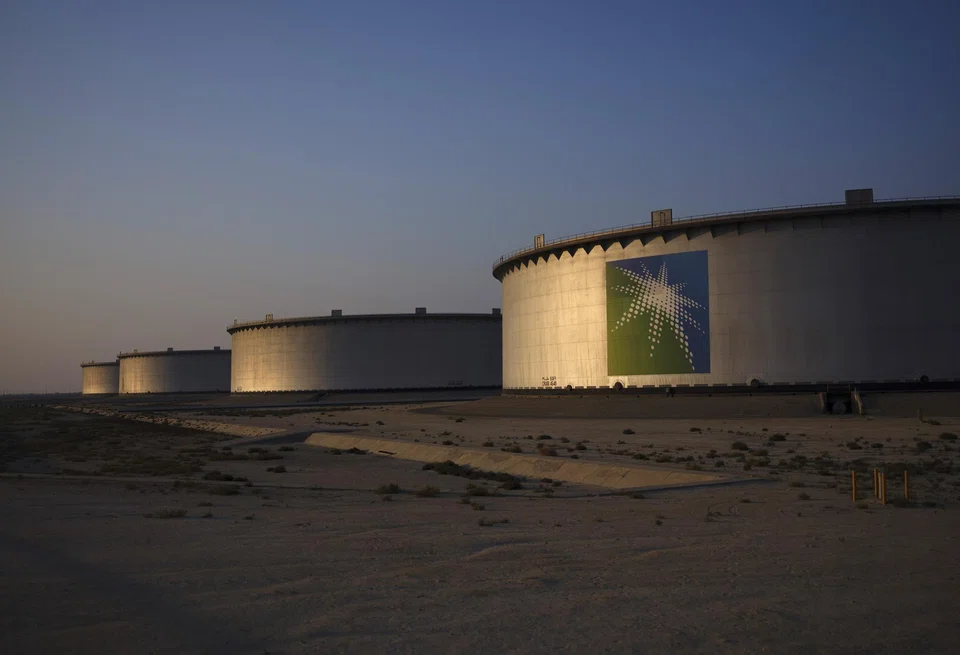
[DUBAI] Saudi Arabia cut the price of its main oil grade for Asia next month from a record-high in May, though it remained near historic levels as the war in the Middle East continues to severely disrupt supplies.
State oil producer Saudi Aramco lowered its flagship Arab Light crude by US$4 a barrel to a premium of US$15.50 over regional benchmarks in June, according to a price list seen by Bloomberg. The company was expected to lower the official selling price by US$8 a barrel, according to a Bloomberg survey of nine traders and refiners.
Still, the premium for next month is the second-highest on record. The biggest Gulf oil producers have seen their access to global markets largely cut off as the vital Strait of Hormuz remains mainly shut. Saudi Arabia is one of the few that’s still able to export some of its crude using a pipeline that empties at the western port of Yanbu on the Red Sea coast at the other side of the country.
Aramco’s official rates may not be the final price paid by refiners, as they apply to crude loaded from Ras Tanura located inside the Persian Gulf, traders said, asking not to be identified as they are not authorised to speak publicly. There may be additional pipeline and other costs for supplies from Yanbu.
Aramco uses the Dubai and Oman oil benchmarks to price its crude. Those indexes had become increasingly erratic since the war in the Middle East created a shortage of barrels used to assess prices for the region. After surging in March, the prices of these regional barrels eased in April.
Global benchmark Brent has increased by more than 50 per cent since the conflict started at the end of February. It jumped to a four-year high in recent days as the US and Iran remained at a deadlock over the Strait of Hormuz and the wider conflict.

On Sunday (May 3), seven countries in the Opec+ producer group led by Saudi Arabia and Russia agreed to a nominal and symbolic rise in production quotas. The actual increase will depend on the Strait of Hormuz reopening and the nations’ ability to restore shuttered output.
The United Arab Emirates is another major Gulf producer with a Hormuz bypass pipeline. Like Saudi Arabia, it also holds spare production capacity. The country quit Opec this month as it does not want to be constrained by the group’s output policies. BLOOMBERG
Decoding Asia newsletter: your guide to navigating Asia in a new global order. Sign up here to get Decoding Asia newsletter. Delivered to your inbox. Free.
Share with us your feedback on BT's products and services
TRENDING NOW

ComfortDelGro appoints two new independent directors

Once staunchly pro-China, Malaysian Chinese businesses are now distancing themselves from Beijing

NoonTalk needs continued financial support from CEO Dasmond Koh, auditors warn

DP Architects sets the benchmark for sustainability disclosure and design

