Saudi Aramco sets itself apart from rest of big oil on dividends
 Add BT as a preferred source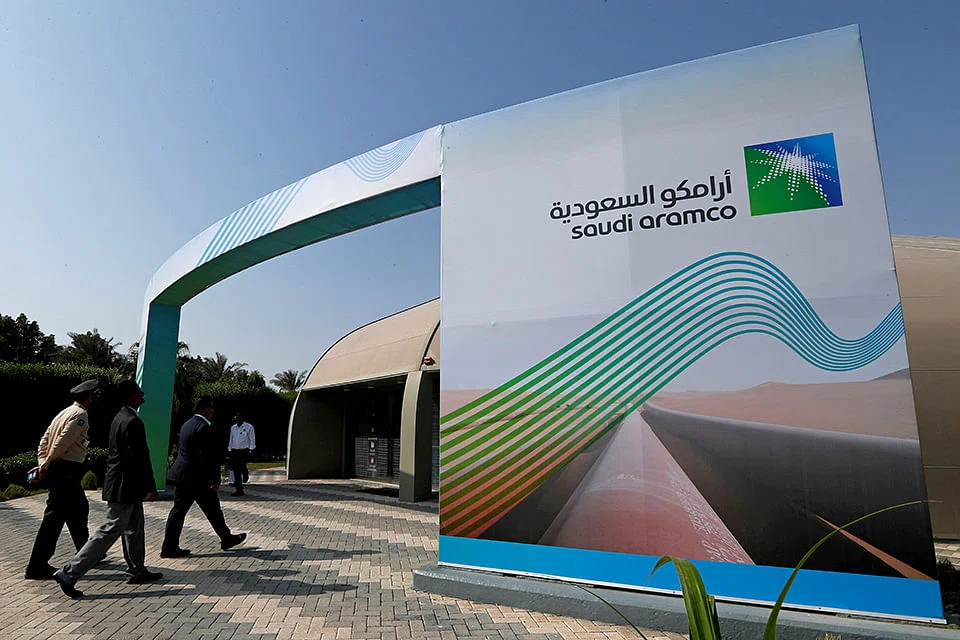
DeeperDive is a beta AI feature. Refer to full articles for the facts.
[RIYADH] The world's biggest listed oil producers have taken to boosting shareholder payouts following the surge in crude prices, with one notable exception.
Saudi Aramco on Sunday (Mar 20) announced it would keep its dividend unchanged for 2021 at US$75 billion. It'll instead use extra money - it generated US$108 billion of free cash flow last year - to reduce debt and increase oil and gas production capacity.
There's little sign it will change course, even with crude up 45 per cent this year to around US$110 a barrel.
"We will continue to do a lot of deleveraging during these strong periods to retain flexibility during cyclical downturns," Ziad al-Murshed, Aramco's chief financial officer, told reporters. "We cannot ignore that we're in a cyclical industry." The firm's one concession to investors was an offer of bonus shares. It said it will give one share for every 10 held.
Several analysts expected more. Morgan Stanley said Aramco had "ample" room to raise the cash payout to around US$94 billion. The company's forward-looking dividend yield is 3.3 per cent, lower than that of all US and European Big Oil firms.
Some such as BP and Exxon Mobil have said they'll hold the line on capital expenditure this year. Their surplus cash will largely go toward share buybacks and extra dividends.
Navigate Asia in
a new global order
Get the insights delivered to your inbox.
Aramco said it sees an opportunity to increase its ability to pump oil at a time when producers around the world are cutting back, in part to reduce their carbon emissions.
Saudi Arabia believes consumption of fossil fuels will remain strong for decades and has blamed the jump in prices over the past year on a lack of investment and exploration.
There is one shareholder who earned more from Aramco as a result of higher oil prices: the Saudi government, which owns 98 per cent of the stock.
Aramco's income taxes and royalties rose 80 per cent from 2020 to almost US$75 billion. That meant total government payments from the firm, including dividends, came to US$149 billion last year, up from US$110 billion in 2020.
The government charges higher royalties when oil's over US$100 a barrel, meaning its take from Aramco might swell even further this year.
Still, not returning more cash to other investors could impact Riyadh's plans to continue selling stakes in the company. Many global equity investors passed on buying Aramco during its initial public offering in 2019 because they thought it was overvalued. Since then, it's only got more expensive. BLOOMBERG
Decoding Asia newsletter: your guide to navigating Asia in a new global order. Sign up here to get Decoding Asia newsletter. Delivered to your inbox. Free.
Share with us your feedback on BT's products and services