Singapore prepared to give 30-year power import licences: EMA chief
One major challenge these initiatives in the region face is high initial capital expenditure to build out solar panels for power generation
 Add BT as a preferred source
DeeperDive is a beta AI feature. Refer to full articles for the facts.
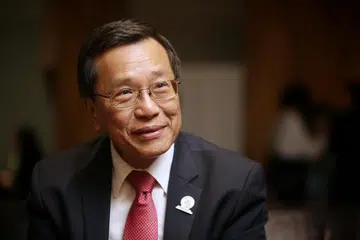
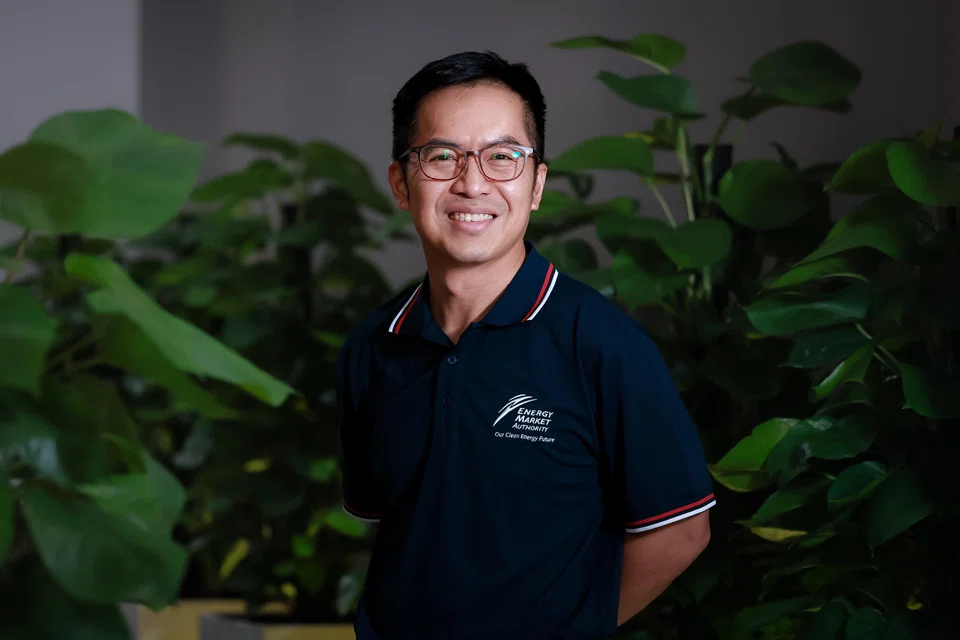
INTERCONNECTIVITY projects require a reduction in uncertainty for renewable energy players and financing, said Puah Kok Keong, chief executive at the Energy Market Authority (EMA).
He was speaking on a panel on Wednesday (Oct 23) as part of Singapore International Energy Week.
The big challenges interconnected renewable energy projects in the region face are high initial capital expenditure to build out solar panels for power generation, batteries to help balance the base load of the power grid, and cables to bring the power across borders. Companies putting in the resources to build out those projects would need to recover their costs, said Puah.
On Singapore’s side, EMA is prepared to give long-term 30-year import licences to companies which have invested in such projects.
“It would be really good for the countries where these projects are based, to try and reduce the policy uncertainty by giving export licences that are equally as long as well,” he said.
This way, the ecosystem players such as banks will also have certainty over the financing of such projects as well. Reducing as much of the uncertainty and risk will be key in getting more interconnected renewable energy projects off the ground.
Navigate Asia in
a new global order
Get the insights delivered to your inbox.
Offtakers or buyers of the power generated by renewable energy projects based in Singapore will also have to recognise the long-term nature of these projects and enter into long-term supply agreements. This will give these projects revenue certainty to recover costs and pay off loans.
“On the part of the Singapore government, we have said that we are prepared to provide revenue support,” added Puah.
The benefits from reducing barriers to interconnection across South-east Asia include the creation of 2,000 to 9,000 direct annual jobs, and reducing electricity costs across the region by 3 to 3.9 per cent. This is based on a regional energy interconnection feasibility study by the US and Singapore.

Gross domestic product in the region could increase between 0.8 and 4.6 per cent, while financial risk will decrease and energy access increase as a result of regional interconnection.
Particulate air pollution will see a reduction of about 50 per cent on average, leading to 15,000 fewer pollution-induced deaths annually.
“The interest among the investments and business community to pour in more money in terms of strengthening energy investments, including renewable energy and even financing the connectivity, is also quite clear,” said Puah.
The key is to think long term for such investments into renewables interconnectivity projects, and Singapore wants to promote more investments into the segment. But the only way to facilitate this is to improve connectivity, which will attract more development of capacity in the power sector.
“What is needed is for countries to agree, and let’s find a way to really facilitate this,” he noted.
Decoding Asia newsletter: your guide to navigating Asia in a new global order. Sign up here to get Decoding Asia newsletter. Delivered to your inbox. Free.
Copyright SPH Media. All rights reserved.