

Singapore's Aster plans to raise naphtha cracker utilisation, executive says
The Chandra Asri-Glencore joint venture will also start to supply petrochemicals to buyers
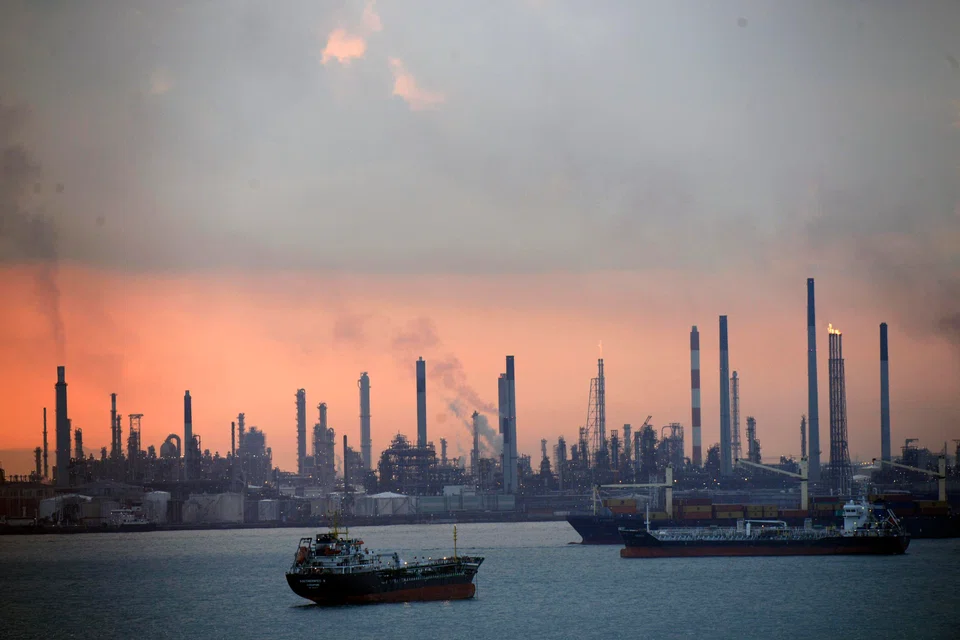
[SINGAPORE] Singapore’s Aster Chemicals and Energy ran its naphtha-fed cracker at a rate ranging from 75 to 80 per cent in the last five months and plans to ramp up utilisation rates further, a company official said on Thursday (Sep 10).
“We will ramp up further and we are starting to supply petrochemicals to our buyers,” Andre Khor, chief financial officer and deputy chief executive officer at Aster, told Reuters on the sidelines of the APPEC conference.
Aster, a joint venture of Indonesia’s Chandra Asri and trading major Glencore, operates a 1.1 million metric tonne per year steam cracker on Singapore’s Bukom Island. Aster has a refining hub on Bukom Island, which it took over from Shell in April 2025.
The naphtha cracker restarted operations in the first week of September after it was shut down in August for maintenance, he added.
Khor said the company is using naphtha from its 237,000 barrel per day refinery and studying the use of other feedstocks.
Aster imposed force majeure on some of its contractual supplies in March, citing a disruption in raw materials due to the US-Israeli war on Iran.
On crude oil, the company pivoted to oil from West Africa, Latin America and Canada for its refinery using Glencore’s global trading network after supplies going through the Strait of Hormuz came to a near standstill earlier this year. REUTERS
Decoding Asia newsletter: your guide to navigating Asia in a new global order. Sign up here to get Decoding Asia newsletter. Delivered to your inbox. Free.
Share with us your feedback on BT's products and services

