

Sri Lanka approves law to liberalise petroleum imports
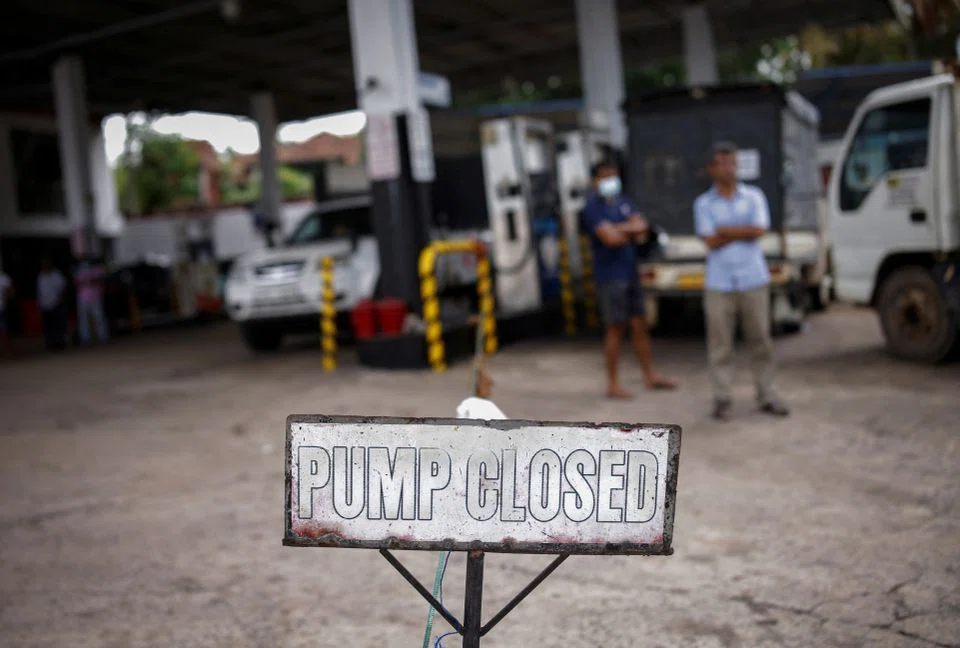
SRI Lanka approved legislation on Tuesday (Oct 18) to let companies from oil-producing nations import and sell fuel as it attempts to cope with a steep oil bill that deepened its worst financial crisis in decades.
The island of 22 million people is caught in the throes of a severe foreign exchange shortage that has left it struggling to import sufficient essentials including medicine, fertiliser and food.
But one of the biggest challenges has been finding US dollars for diesel and petrol imports for vehicles and power generation with the country seeing long lines, sometimes running into kilometres (miles) during the worst of the crisis, and power cuts that have been ongoing for eight months.
“Earlier this year people were dying in fuel lines and people were waiting in queues for days but we didn’t have the foreign exchange to import sufficient amounts of fuel,” Power and Energy Minister Kanchana Wijesekera told Parliament.
“Due to the country’s financial situation we cannot afford to purchase the fuel that we need. We have had to limit imports. Sri Lanka is in the middle of a serious energy crisis.”
Sri Lanka’s monthly fuel bill doubled to US$600 million this year, partly because of the hike in global prices due to the war in Ukraine, but the country can only afford to spend about US$350 million, he added.
State-run banks have also struggled to repay about US$751 million it owes to suppliers, the minister said.
The new legislation will liberalise the petroleum industry allowing international companies to directly import and sell fuel in Sri Lanka and reduce reliance on the country’s meagre US dollar supplies.
The ministry has already received 24 applications from multiple countries including India, China, Saudi Arabia, Russia, Malaysia, the United Kingdom and the United States, a source at the ministry who declined to be named because he is not authorised to speak to media, told Reuters.
“We are currently in the process of evaluating the proposals,” he said. REUTERS
Decoding Asia newsletter: your guide to navigating Asia in a new global order. Sign up here to get Decoding Asia newsletter. Delivered to your inbox. Free.
Share with us your feedback on BT's products and services
TRENDING NOW

S$8 billion wiped off OCBC value as shares slide 5.8% in heavy trade

Grab CEO’s wife Chloe Tong on life with Anthony Tan and finding her purpose
Brookfield denies accusation it cut Soilbuild out of Mapletree deal
8 public officers referred to police over property buys near unannounced MRT stations: Chan Chun Sing

