

Thermal coal, nitrogen, among commodities most vulnerable to long-term climate change, say analysts

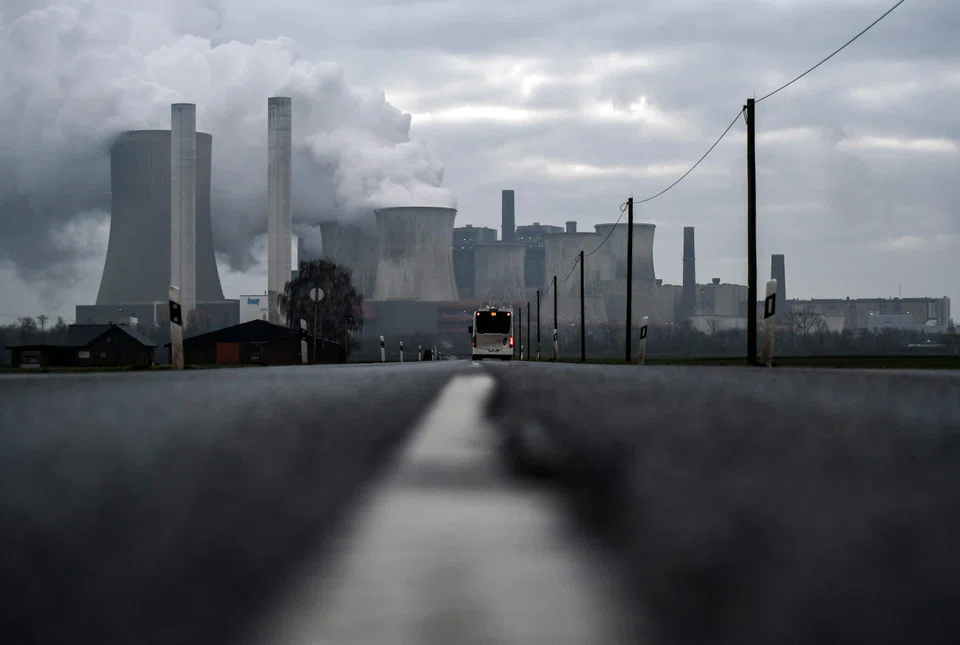
UNDER a scenario that limits global warming to below 2°C, the thermal coal and nitrogen sectors are the most vulnerable to long-term climate-related changes and could potentially be danger points for investors, Fitch Ratings analysts have said.
In the metals and mining space, Oliver Schuh, senior director for Europe, the Middle East and Africa (EMEA) natural resources at Fitch Ratings, said that the climate vulnerability scores of thermal coal and blast furnace-basic oxygen furnace (BF-BOF) have, unsurprisingly, tracked higher over time, given the carbon footprint of each of the 2 commodities.
Thermal coal is the largest single source of greenhouse gas emissions, so it remains the focus of policies mandating the gradual transition to “clean power”.
“The sector faces an existential threat over the long term,” the Fitch analysts said; they added that by 2040, coal-generation capacities should largely remain only in China and India. By 2045, thermal coal should be “almost eliminated from the energy system”, with only small volumes remaining in places such as India.
“Looking at long-term bonds for such sub-sectors, one should be conscious about stranded-asset risk, which would apply to developed markets earlier than to emerging markets,” he said.
The concept of stranded-asset risk in the topic of climate change refers to assets that stand a chance of becoming “stranded” due to factors such as technological advances in agriculture, changes in environmental regulations, government policies or natural disasters. For instance, Schuh noted, Western Europe and the US already have in place policy targets to phase out the use of coal.
Among the winners in the sector are nickel and copper. These materials are required in facilities that will feature heavily in the global energy transition, including solar panels, wind turbines and electric vehicles.
“This means their demand outlook is very bright, but producers will need to reduce the carbon footprint of their mining and processing,” said Fitch.
Demand for nickel and copper will rise several times, relative to the more moderate growth for aluminium, even though all 3 metals will be widely applied in the green economy.
Major demand drivers for aluminium will come from the roll-out of electric vehicles, renewable power generation and recyclable packaging. In packaging, aluminium is also a substitute for glass, just as aluminium cans are substitutes for polyethylene terephthalate (PET) bottles, to improve sustainability.
For copper, Fitch said “substantial production capacity will need to be added in the medium-to-long term” in order to provide the copper required for the energy transition.
But there is some uncertainty. “Unless copper companies progress with final investment decisions for major projects soon, there is a high likelihood of material shortages and upside price volatility. This is despite an expectation that a focus on the circular economy will deliver incremental volumes from recycling,” said the analysts.
Fitch is also expecting demand for zinc to grow, as a result of its wide use in construction and steel galvanisation. (Galvanisation is a process of applying a zinc coating to make objects such as wind turbines rust-proof.)
In the arena of fertilisers, Fitch expects an elevated risk profile for nitrogen fertilisers over time, despite solid demand drivers for its producers. Nitrogen fertilisers account for at least 80 per cent of greenhouse gas emissions associated with fertiliser production.
“By 2050, we expect the high emissions intensity of nitrogen fertilisers to result in more acute regulatory challenges for producers, although demand should remain robust as a result of rising populations and food production growth,” said the analysts.
The vulnerability of phosphate fertilisers is similar, as solid demand drivers will offset rising pressures from climate policies in most jurisdictions, Fitch said. However, regulatory risks for phosphate is lower than that of nitrogen because of the mineral’s lower emissions intensity.
Potash fertilisers are the safest bet in the sector. “We believe potash has the smallest carbon footprint of the fertilisers, and could have the greatest potential increase in demand due to its underuse in most regions.”
TRENDING NOW

Good Class Bungalow market activity picks up pace on ‘realistic’ pricing

Indonesia imposes US$116 million in fines over manipulation of Sinar Mas, Prajogo-linked stocks

Singapore identifies 7 firms responsible for haze fires, notices issued urging action: Grace Fu

Once staunchly pro-China, Malaysian Chinese businesses are now distancing themselves from Beijing

