

These Singapore winners can benefit from AI boom, power crunch: Morgan Stanley
A ‘glut’ of new LNG supply from the US and Qatar is set to hit Asian markets
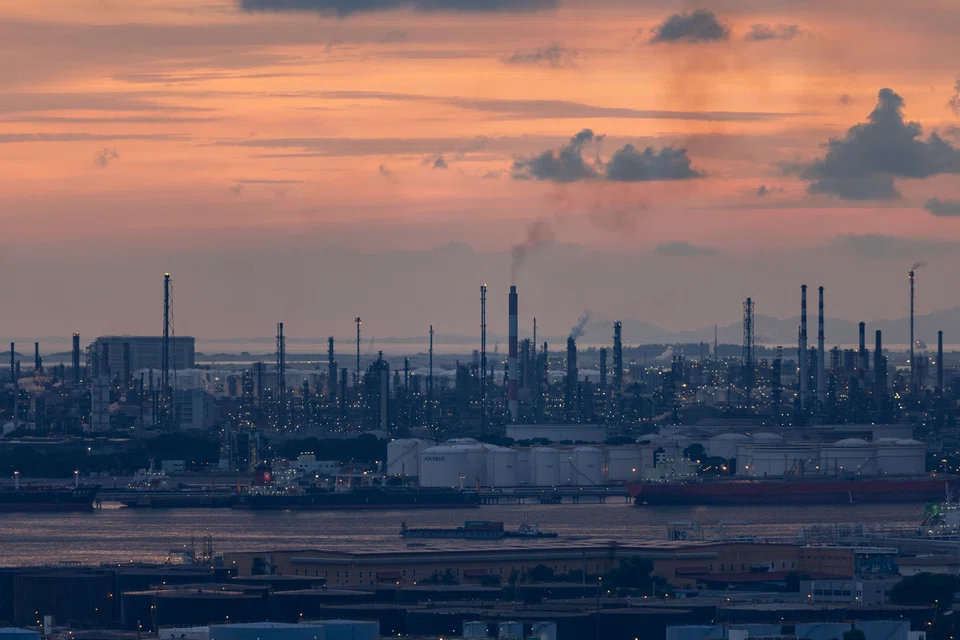
[SINGAPORE] The US “shale revolution” is about to export a windfall to Singapore, helping to defray the cost of powering the artificial intelligence (AI) boom.
A “glut” of new liquefied natural gas (LNG) supply from the US and Qatar is set to hit Asian markets, said a Morgan Stanley report on Jan 13, driving prices down by nearly half to around US$7 per million British thermal units (mmbtu) by 2027.
This supply glut arrives just as Singapore and its Asean neighbours face a critical surge in electricity demand from data centres and AI hyperscalers.
In Singapore, where 92 per cent of electricity is generated from natural gas, the impact will be two-fold: drastically reduced energy import bills and a fresh tailwind for its utilities sector.
“It should fundamentally change energy consumption dynamics, as the region imports half of its natural gas requirements,” said the analysts, noting that lower prices will help solve “grid bottlenecks and shortages in energy systems”.
Price-sensitive consumer markets will be the biggest beneficiaries of this affordable LNG, they added, highlighting India, followed by China, Japan and Vietnam, and then Singapore and Thailand.
“Asia’s US$120 billion of gas infrastructure investments in the past half decade complement US export infrastructure, making it readier than ever to absorb the upcoming gas glut,” noted the report.
In all, about 100 million tonnes per annum of new natural gas import infrastructure and 30,000 km of new gas pipelines are expected to come on stream by 2028.
India and South-east Asia will see the largest incremental investment and expansion in gas-based infrastructure in the region. Meanwhile, China, India and South-east Asia are set to double LNG imports by 2030, compared with 2024 figures, as domestic production growth “pales in comparison to demand”.

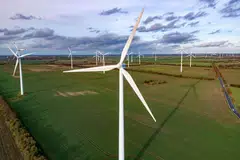
Although Japan and China will remain the biggest LNG importers, India is expected to match South Korea’s LNG appetite by 2030.
Powering AI demand
The report underscored that South-east Asian nations, specifically Singapore, Malaysia and Thailand, are becoming primary destinations for US and Chinese hyperscalers deploying AI infrastructure.
Morgan Stanley estimated that 10 gigawatts of potential AI capacity is in the pipeline for the region, which will lead to “tighter” power markets.
With incoming cheap US gas at US$7 per mmbtu, gas-fired power is set to provide the stable baseload required by server farms. Not only that, the round-the-clock cost of gas-based electricity generation is “more competitive” than renewables with batteries and almost near parity with coal, while imported LNG-based electricity can be used for peak loads.
The bank predicted that tighter power markets in Singapore and the Philippines will drive the next leg of generation capacity additions, further benefiting producers such as Keppel.
The influx of American gas is also expected to reshape trade balances. Morgan Stanley forecasts that LNG imports from the US to Asia could more than double by 2028.
“We see potential for an 18 to 40 per cent reduction in Asia’s trade surplus with the US by 2028, with LNG being one key component,” the analysts said.
The Singapore winners
LNG prices are expected to fall to two-decade lows by 2027 based on Morgan Stanley estimates, helping Asia to achieve about US$100 billion in energy cost savings.
Keppel and Sembcorp Industries were flagged as prime beneficiaries of this trend, with Morgan Stanley highlighting them in its “Most Preferred” list of energy equities.
It selected Keppel as a top pick, with an “overweight” call and S$11.54 target price. The company stands to benefit from lower gas costs in both its gas trading and power generation businesses, said Morgan Stanley.
While Sembcorp was rated “equal-weight” at a S$7 target price, it was listed among the bank’s “Most Preferred Energy Names” in Asia. Like Keppel, Sembcorp is expected to see upside from cheaper gas costs in its trading and generation arms.
The analysts also noted that operators of dispatchable power such as Sembcorp should benefit from higher balancing costs in a grid saturated with renewables.
Decoding Asia newsletter: your guide to navigating Asia in a new global order. Sign up here to get Decoding Asia newsletter. Delivered to your inbox. Free.
Copyright SPH Media. All rights reserved.
TRENDING NOW

Government to bring forward raising of retirement age, give employers more financial support to create flexi-load jobs
If Europe goes to war, the fallout will be felt in East Asia
Former minister Maliki Osman, Revolut chairman join Asia Gulf Holdings advisory board

Small nuclear reactors could boost the Asean Power Grid: GE Vernova executive

