Tighter hedging rules from Q1 next year to limit risks for Singapore’s electricity retailers

Anita Gabriel
Published Thu, Aug 24, 2023 · 02:00 PM
    • Singapore’s Open Electricity Market faced a tumultuous time in mid-2021 when electricity prices in the wholesale market shot through the roof.
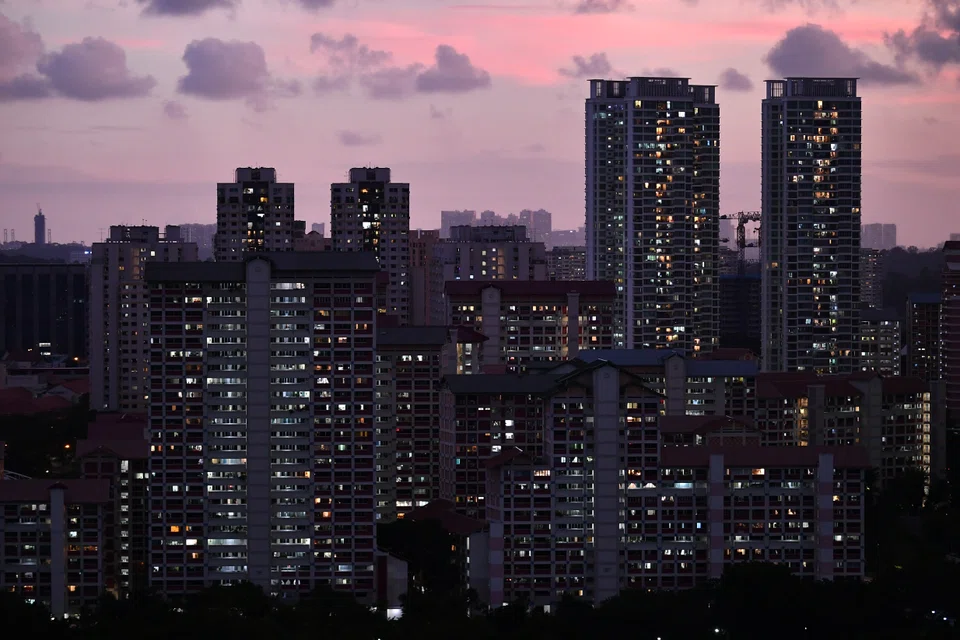
    • Singapore’s Open Electricity Market faced a tumultuous time in mid-2021 when electricity prices in the wholesale market shot through the roof. PHOTO: BT FILE

    SINGAPORE’S new rules for electricity retailers to step up their hedging game to withstand market swings are set to go live from the first quarter of next year.

    This comes in the wake of an unprecedented energy crisis that saw a handful of exits two years ago.

    According to a spokesperson with the Energy Market Authority (EMA), the hedging rules for retailers will be implemented next year following discussions between the regulator and retailers that are expected to go on till year-end.


    This also applies to the new rules for retailers to provide a performance bond (PB) to cover their respective unhedged contracted consumer demand. The PB, it is hoped, will ensure retailers remain solvent and honour all outstanding retail contracts.

    EMA said it will work with retailers on the implementation details for both of these requirements.

    “From now until December 2023, retailers will have the opportunity to share with EMA how they intend to meet the enhanced hedging requirements. Thereafter, retailers will be expected to meet the enhanced hedging and performance bond requirements,” said an EMA spokesperson in response to queries from The Business Times.

    The EMA last month announced an enhanced regulatory regime in Singapore’s liberalised power sector to increase retailers’ resilience against wholesale electricity price volatility, as well as to better protect consumers following the turmoil in the power sector.

    The regulator will soon require retailers to hedge at least 80 per cent of their contracted consumer demand on a rolling 24-month forward basis, versus at least 50 per cent currently.

    Singapore’s Open Electricity Market (OEM) faced a tumultuous time in mid-2021 when electricity prices in the wholesale market shot through the roof as post-pandemic energy demand soared; this coincided with unplanned gas curtailment from Indonesia. Russia’s invasion of Ukraine shortly after that turned things topsy-turvy for the global energy sector, resulting in an unprecedented energy crunch.

    The unexpected wild swings in prices stung many of Singapore’s electricity retailers, particularly those that did not sufficiently hedge their electricity-price exposure. Five players called it quits in late-2021 – a setback for Singapore’s liberalisation of the power sector, which in the early years (2019/2020) had consumers spoiled for choice in terms of retailers and their packages which offered substantial savings in power bills.

    There are currently nine retailers in the OEM’s household segment that covers some 1.5 million accounts. Of this, a majority or six are gentailers – power-generation companies or “gencos” which are also retailers – and the rest are independent retailers.

    Following the events that rocked the electricity market, EMA introduced major guardrails targeted at electricity retailers, as well as measures to ensure secure and sufficient gas supply and power generation.

    Earlier this year, retailers participated in a public consultation exercise, following which EMA announced the final enhancements to the regulatory regime last month.

    The agency initially proposed that only hedge products entered into with suppliers with physical generation assets (including gencos), and futures contracts traded on the Electricity Futures Market (EFM), could be accepted to meet hedging requirements. 

    But retailers were concerned over the limited hedging options to manage their energy price risk.

    For one, liquidity in the Singapore Exchange’s EFM has dried up – a stark contrast from its early years of robust volumes – after the extreme price swings drove market makers away.

    The other hedging instrument allowed by EMA included contract-for-differences with suppliers with physical generation assets. Here, too, retailers were worried that they could face difficulty securing hedges from gencos.

    Following feedback from retailers, EMA expanded the list of acceptable hedging instruments for retailers to include financial hedge contracts with “reputable” counterparties such as “power traders” approved by EMA and settled against the wholesale electricity price.

    Retailers will need to submit their hedging proposals and details of their counterparties for EMA’s evaluation and approval by December.