US Climate Law gives big boost to Korean clean-energy firms
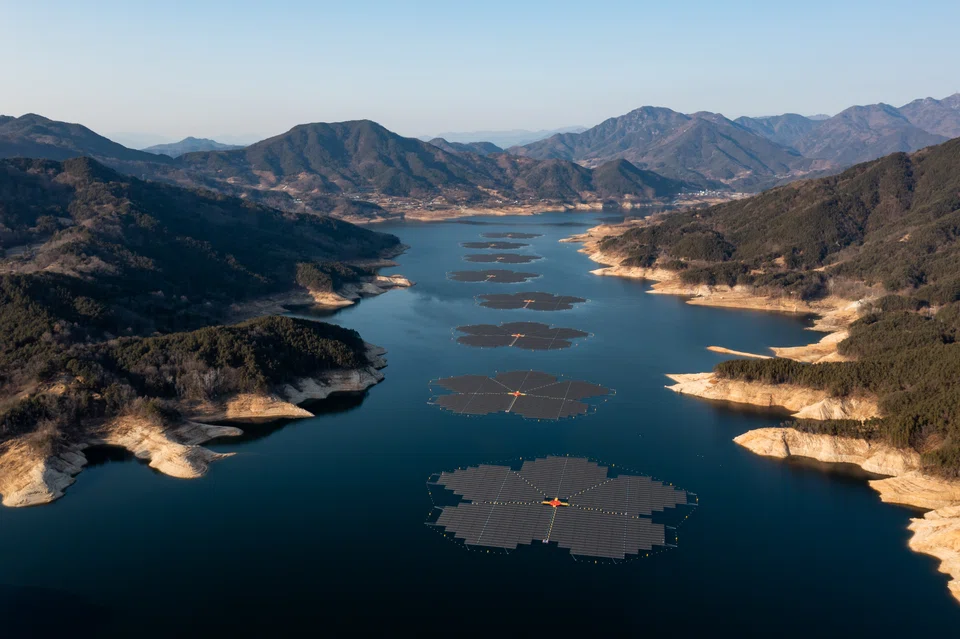
SOUTH Korean clean-energy companies are major foreign winners from Washington’s landmark climate law as they benefit from tax credits and a turn away from China.
Hanwha Solutions, a solar equipment maker with manufacturing and research sites in North America, said it’s expecting to get more than US$200 million in tax credits annually from next year. CS Wind, which operates the biggest US facility to build wind towers, is also forecasting a big windfall from the credits. Both companies are considering further investments as a result of the law.
The Inflation Reduction Act, which President Joe Biden signed into law last week, earmarks US$374 billion for decarbonisation and scaling up local manufacturing in areas like wind, solar, batteries and green hydrogen. Washington’s goal to cut dependence on equipment from China, which dominates many of these markets, should also give Korean firms a competitive edge.
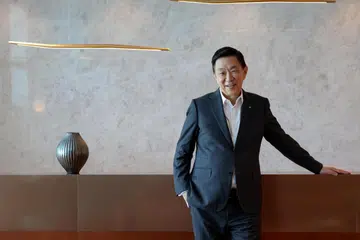
“Without the Chinese firms in the picture, Korean companies in the clean energy sector are the clear winners,” said Shin Jin-ho, co-chief executive officer at Midas International Asset Management “Given that the legislation is designed to cut American dependence on Chinese supplies, that should offer benefits to even auto and battery makers in the long term.”
Hanwha is planning a multiyear, multibillion-US dollar investment in rebuilding its US solar supply chain now that the legislation has been signed, a company spokesman said, adding that the firm will receive additional credits as its capacity increases. CS Wind is weighing further investments as the environment has turned more favourable due to the law, according to a company official.
The law may make life more difficult for Korean automakers and EV battery manufacturers, however. Hyundai Motor, LG Energy Solutions and SK On have said the need to relocate more production to the US and use less Chinese materials could hurt their competitiveness.
Hyundai Motor is investing US$5.5 billion to build an EV assembly and battery plant in Georgia, and is also spending US$300 million to expand a plant in Alabama.
Sourcing critical minerals for batteries from regions such as the US and its Free Trade Agreement partners may be more challenging for Korean firms, Nomura Holdings said in a note last week. China dominates the EV battery supply chain, and accounts for more than 50 per cent of lithium processing capacity.
South Korea will “actively” consider filing a complaint to the World Trade Organization as the law violates the 2 countries’ bilateral free trade agreement by excluding EVs built outside of US from tax breaks, Industry Minister Lee Chang-yang said on Monday.
The bill has been fuelling gains in the Korean firms’ share prices. Hanwha Solutions and CS Wind have both jumped around 40 per cent from lows in mid-July. Hyundai Energy Solutions, which distributes solar modules in the US, has also risen sharply over the same period, while Doosan Fuel Cell, which is involved in hydrogen projects, is up as well.
Hanwha and CS Wind both closed up 3.7 per cent on Tuesday as the Korean benchmark share index fell.
“Within Asia, South Korea stands out as 1 of the major beneficiaries,” said Ulrik Fugmann, senior portfolio manager and co-head of the environmental strategies group at BNP Paribas Asset Management. “It’s clear that the climate bill is the US response to take on Asia as a leader in environmental technologies, and the IRA has a heavy emphasis on domestic supply chain.” BLOOMBERG
Decoding Asia newsletter: your guide to navigating Asia in a new global order. Sign up here to get Decoding Asia newsletter. Delivered to your inbox. Free.
Share with us your feedback on BT's products and services