

US Energy Secretary Wright says diesel export ban won’t work
Diesel prices have risen to record highs in the US
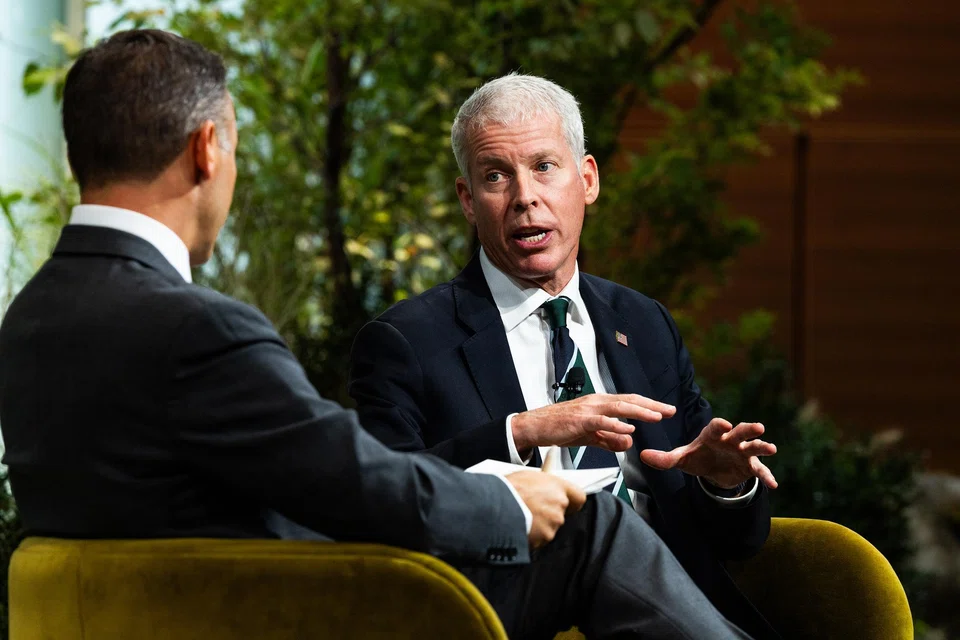
[NEW YORK] US Energy Secretary Chris Wright on Wednesday (Sep 23) said a US ban on diesel exports would not work and could push up petrol and jet fuel prices, a stance at odds with President Donald Trump, who is backing the idea.
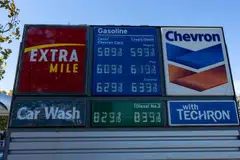
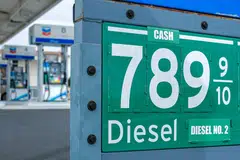
Diesel prices have surged to record highs due to the US-Israeli war with Iran and the conflict in Ukraine, angering farmers and other users of the fuel ahead of the midterm elections in November that will decide control of Congress.
“The blunt tool of banning diesel exports definitely doesn’t work,” Wright said at an event hosted by The Economist in New York.
Average US diesel prices were US$6.52 a gallon on Wednesday, up 76 per cent from a year ago, according to AAA, a motorist advocacy group.
“If you can’t export the diesel that comes out of our refineries, you run out of places to store it, and you have to reduce US refining, which would put upward pressure on petrol prices and jet fuel prices,” Wright said.
The Trump administration is open to any ideas on lowering fuel prices and will make policy announcements in coming days, he said.
Wright said the administration was working with the refining industry to increase the supply of US diesel in a “simpler, voluntary, cooperative fashion, without using blunt instruments that would reduce refining throughput.” He did not detail that plan and said no decisions have been made.
“The Secretary remains fully aligned with the President in exploring all available options to lower energy prices,” the Department of Energy said in a statement.
Record fuel prices are a risk for Trump as his fellow Republicans seek to maintain narrow control of both chambers of Congress in the Nov 3 elections.
With global diesel supplies tight and few obvious ways to quickly bring prices down, the administration is facing calls from Republicans in competitive races for action, putting fuel costs at the centre of a broader political challenge for the party.
The US oil and refining industry on Wednesday urged Trump to reject calls for a diesel export ban, saying restrictions would reduce refinery output and raise prices for petrol and jet fuel.
A letter signed by 36 industry and business groups, including the American Petroleum Institute, American Fuel & Petrochemical Manufacturers, Business Roundtable and US Chamber of Commerce, said US refiners are running at full capacity and producing more diesel than the country consumes.
“Export bans would lead to less fuel production, tighter supplies, and rising costs for American families, farmers, and truckers,” the letter states.
Run rates
While US Agriculture Secretary Brooke Rollins has also raised the issue of high diesel prices with the president, other top US officials have opposed an export ban. US Interior Secretary Doug Burgum said last week such a ban could lead to retaliatory action from countries that export fuel to the US, which could hurt states like California.
Many energy analysts agree that a ban would risk boosting fuel prices. “The loss of export abilities would force many plants to cut run rates, and reduce their output of petrol (and numerous other products) as well, which becomes counterproductive,” analysts for TACenergy wrote in a note on Wednesday.
US refineries were running at about 94 per cent of capacity last week, according to the Energy Information Administration.
A White House official said Trump “wants to see petrol prices at the pump fall and is evaluating all the options on the table.”
Wright praised Trump’s policy in Venezuela where the US is urging companies to expand production and return to operations there after US special forces in January captured the South American country’s leader, Nicolas Maduro, and left his deputy Delcy Rodriguez in charge.
Many companies are interested in investing in Venezuela to fix oil operations that have suffered over the last 20 years from neglect, corruption and US sanctions, Wright said.
“Some of them will strike deals, and tens of billions of dollars are flowing.” For other companies, “it won’t work, and they’ll invest elsewhere.” REUTERS
Decoding Asia newsletter: your guide to navigating Asia in a new global order. Sign up here to get Decoding Asia newsletter. Delivered to your inbox. Free.
Share with us your feedback on BT's products and services
TRENDING NOW

Once staunchly pro-China, Malaysian Chinese businesses are now distancing themselves from Beijing

Looking beyond looming CEO succession, should UOB potentially pursue a transformative merger?

Could stablecoins be the future of money?

Grab CEO’s wife Chloe Tong on life with Anthony Tan and finding her purpose

