

US to release 172 million barrels of oil for IEA relief plan
Crude, petrol, diesel and jet fuel prices have climbed dramatically since the US and Israel began their military campaign against Iran on Feb 28
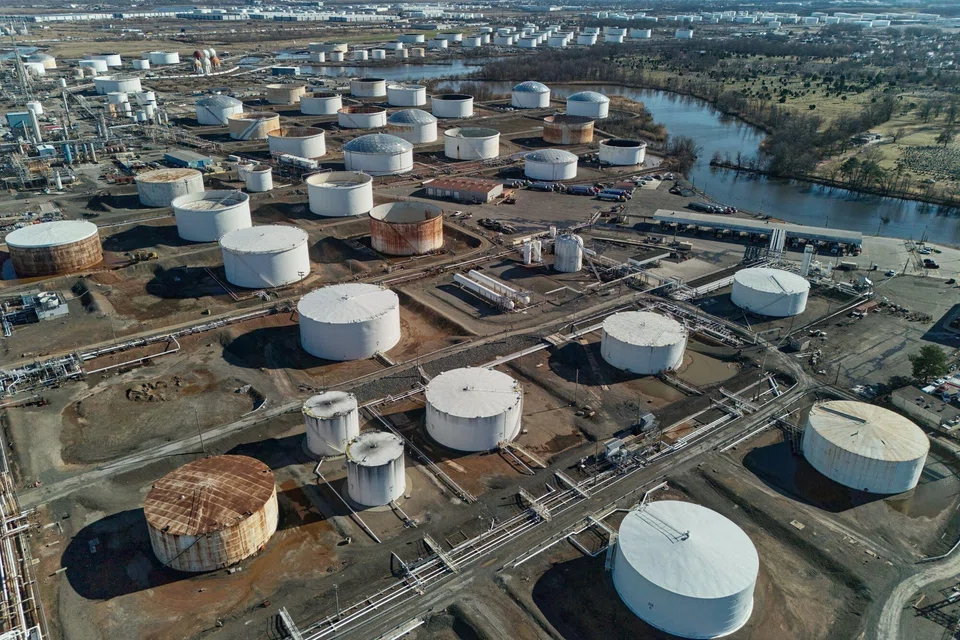
[WASHINGTON] The Trump administration plans to release 172 million barrels from the US emergency oil reserve as part of the coordinated effort by nations around the world to ease surging crude and fuel prices, less than two weeks since the beginning of the Iran war.
The release, announced by Energy Secretary Chris Wright in a statement on Wednesday (Mar 11) evening, will take about 120 days to fully deliver the oil from the Energy Department’s Strategic Petroleum Reserve. It’s part of the plan by member nations of the International Energy Agency (IEA) to discharge a total of 400 million barrels from reserves globally.
“This is to tide the world over while these flows are restricted by Iran, but ultimately the United States military will prevail,” Wright said. “Hopefully, in the next few weeks, we will start to see ship traffic returning to the Strait of Hormuz.”
Crude, petrol, diesel and jet fuel prices have climbed dramatically since the US and Israel began their military campaign against Iran on Feb 28. The war has brought shipping traffic to a virtual standstill in the Strait of Hormuz, through which roughly one-fifth of the world’s oil flows.
Brent crude rose back towards US$100 a barrel early Thursday as Iraq stopped operations at its oil ports after two tankers were targeted.
The Strategic Petroleum Reserve currently contains roughly 415 million barrels, about 60 per cent of its capacity, following a series of withdrawals by the Biden administration. Those included a record sale of 180 million barrels to help lower petrol prices after Russia’s invasion of Ukraine began in 2022, a decision that US President Donald Trump and other Republicans assailed.
At the time, Trump called it an irresponsible and “futile attempt to reduce oil and petrol prices”.
Now back in office, he is facing intense political pressure to address the sudden rise in fuel prices. November’s midterm elections that will decide control of both houses of Congress hinge in large part on Americans’ attitudes towards the costs of living, and polls show the public taking a dim view of the president’s handling of the economy.
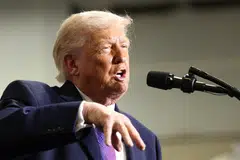
“We are going to be doing it very quickly, and then we will fill it up,” Trump told reporters on Wednesday evening after his return from a trip to Ohio and Kentucky. “We will fill up our reserves.”

Senate Democratic leader Chuck Schumer said in a statement that Trump was “doing what I called for three days ago, after needlessly sowing additional chaos and uncertainty. But he’s already created a lot more problems than this will solve – from the Strait of Hormuz blockade to his poorly planned and reckless war”.
Wright, in his statement, said that the US had arranged to refill the reserves with approximately 200 million barrels within the next year at no cost to the taxpayer.
The secretary, in the past, has said that the administration is looking at deals with private companies to refill the reserve, an apparently reference to the use of so-called royalty-in-kind in which the US accepts oil and gas from producers in lieu of cash royalties on federal energy resources.
Interior Secretary Doug Burgum, the chair of the White House National Energy Dominance Council, told NewsNation on Wednesday that the administration has had conversations with energy companies that plan to increase domestic oil production.
ClearView Energy Partners said in a note on Wednesday that the broader, 400 million-barrel release provides “official recognition that the Hormuz crisis has become serious enough for the industrialised world to liquidate one-third of its oil insurance policy”.
“It remains far from clear when the strait might reopen; both naval mines and anti-ship weapons could still pose significant threats,” the Washington consulting firm added.
On paper, the reserve, established in massive salt mines along the US Gulf Coast after the Arab oil embargo of the 1970s with a maximum capacity of about 713 million barrels, can release about 4.4 million barrels a day, according to the Energy Department’s website. It takes 13 days for oil from the system to reach the open market after the president orders a sale.
However, an analysis prepared by the department in 2016 said that the actual amount the reserve is capable of releasing might be limited to 1.4 million to 2.1 million barrels a day. During the 2022 release, the amount never topped more than 1.1 million a day, according to an analysis of government data by ClearView. BLOOMBERG
Decoding Asia newsletter: your guide to navigating Asia in a new global order. Sign up here to get Decoding Asia newsletter. Delivered to your inbox. Free.
Share with us your feedback on BT's products and services
TRENDING NOW

Once staunchly pro-China, Malaysian Chinese businesses are now distancing themselves from Beijing

Cliff Tan has 7 million followers and a 4-month waitlist. Why won’t he expand his business?

Could stablecoins be the future of money?

Grab CEO’s wife Chloe Tong on life with Anthony Tan and finding her purpose

