

US says Russia's Nord Stream 2 pipeline 'dead'
 Add BT as a preferred source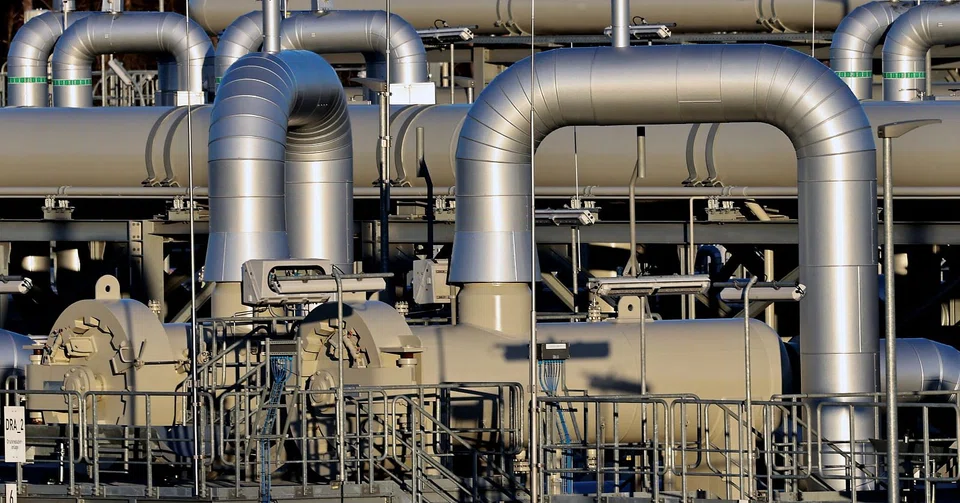
DeeperDive is a beta AI feature. Refer to full articles for the facts.
[WASHINGTON] The controversial Nord Stream 2 pipeline that was halted over Russia's invasion of Ukraine is "dead", a senior US official said on Tuesday, appearing to dash any hopes that the US$12-billion gas venture could have a future.
"I think Nord Stream 2 is now dead," Undersecretary of State for Political Affairs Victoria Nuland told US lawmakers about the Kremlin's prize geopolitical energy project that became a victim of Western sanctions.
"It is a hunk of metal at the bottom of the sea, I don't think it will ever be revived," she added.
The comments, in a hearing assessing the US response to Russia's invasion, came on the same day President Joe Biden delivered a body blow to Moscow by announcing the United States was cutting off Russian energy imports.
The move marked a major tightening of the economic chokehold on President Vladimir Putin's Russia that has seen the country's currency crash, inflation and borrowing costs soar, and Moscow's access to global financial markets evaporate.
And "there is more on the way from the G-7 or EU partners and countries around the world, if President Putin does not end this vicious war," Nuland said.
Navigate Asia in
a new global order
Get the insights delivered to your inbox.
"We're also working with our allies and partners to limit the disruption of global energy supplies and to prevent Russia from weaponizing its global energy exports, while also accelerating diversification of energy supplies."
After years championing the Nord Stream 2 pipeline between Russia and Germany, German Chancellor Olaf Scholz's government pulled the plug late last month on the completed-but-not-yet-certified project.
Germany's US and European allies had long argued against the pipeline, fearing it would be used as a geopolitical weapon by Moscow and increase Europe's energy dependence on Russia.
Russia's Gazprom held a majority stake in the 10-billion-euro (S$16.4 billion) project.
Other investors included German oil and gas firm Wintershall Dea, Germany's Uniper, France's Engie, Austria's OMV and Anglo-Dutch firm Shell. AFP
Decoding Asia newsletter: your guide to navigating Asia in a new global order. Sign up here to get Decoding Asia newsletter. Delivered to your inbox. Free.
Share with us your feedback on BT's products and services
TRENDING NOW

Shelving S$5 billion office redevelopment plan proved ‘wise’ as geopolitical risks mount: OCBC chairman

Eurokars Group introduces rental car franchises Enterprise Rent-A-Car, National Car Rental, and Alamo to Singapore
20 photos that show how dramatically Singapore has changed in two decades
Singapore’s key exports up 15.3% in March from electronics surge, exceeding forecasts

