

US$15t global hydrogen investment needed to 2050: research
 Add BT as a preferred source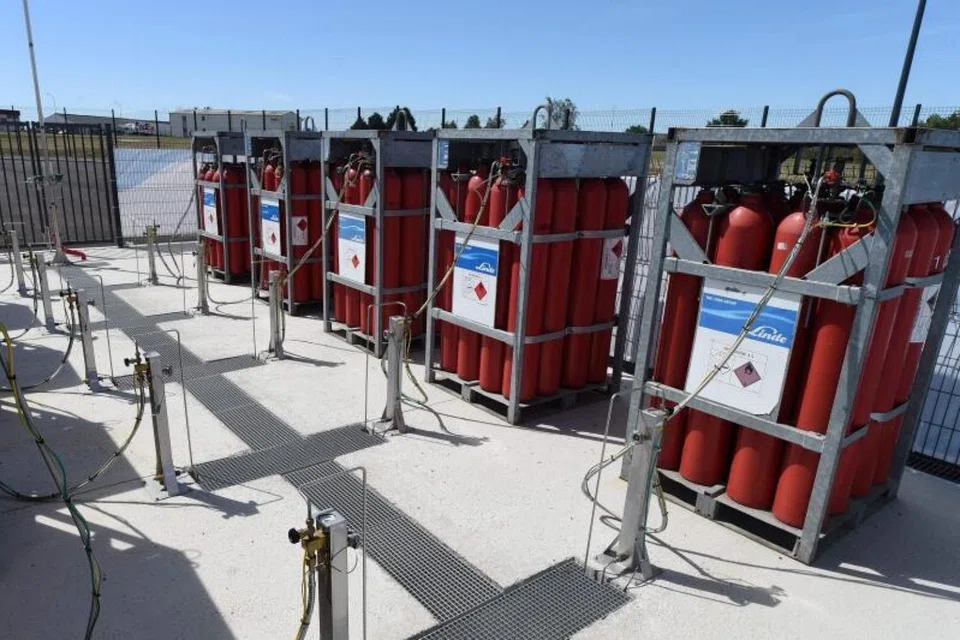
DeeperDive is a beta AI feature. Refer to full articles for the facts.
[LONDON] Decarbonising energy and other industries globally using hydrogen will require investment of almost US$15 trillion between now and 2050, the Energy Transitions Commission (ETC) said in a report on Tuesday.
The ETC is an international coalition of executives from the energy industry committed to achieving net zero emissions by mid-century, a goal set by the Paris climate agreement.
So-called green hydrogen, made by using renewable energy to power electrolysers to convert water, is being backed by many governments for vehicles and energy plants but it is currently too expensive for widespread use.
Proponents say infrastructure investment and more demand from transport, gas grids and industry will bring the costs down.
The ETC said that to reach a globally agreed goal of net zero emissions by mid-century, clean power must be at heart of decarbonising every sector, and hydrogen will play an important role in decarbonising industries such as steel and transport.
Hydrogen use is forecast to grow to 500-800 million tonnes a year by mid-century, accounting for 15-20 per cent of total final energy demand, from 115 million tonnes currently.
Navigate Asia in
a new global order
Get the insights delivered to your inbox.
Producing green hydrogen will need zero-carbon electricity supply to increase by 30,000 terawatt hours (TWh) by 2050, on top of 90,000 TWh needed for decarbonisation generally, the ETC said.
This will require investment of around US$15 trillion, peaking in the late 2030s at around US$800 billion per annum, not just for hydrogen production but for the electricity system to support the massive increase in hydrogen use.
Around 85 per cent of the required investment would be in electricity generation and 15 per cent in electrolysers, hydrogen production facilities and transport and storage infrastructure.
Large-scale geological storage will be needed for the hydrogen produced, given the limited capacity and large costs of compressed hydrogen containers.
Salt caverns will offer the lowest cost but if 5 per cent of total annual hydrogen use in 2050 needs to be stored, it needs about 4,000 typical size salt caverns, compared with only about 100 in use for natural gas today, the report said.
REUTERS
Decoding Asia newsletter: your guide to navigating Asia in a new global order. Sign up here to get Decoding Asia newsletter. Delivered to your inbox. Free.
Share with us your feedback on BT's products and services
TRENDING NOW

Shelving S$5 billion office redevelopment plan proved ‘wise’ as geopolitical risks mount: OCBC chairman

Eurokars Group introduces rental car franchises Enterprise Rent-A-Car, National Car Rental, and Alamo to Singapore

20 photos that show how dramatically Singapore has changed in two decades
Singapore’s key exports up 15.3% in March from electronics surge, exceeding forecasts

