
What to watch as China gives commodities a wild start to year
 Add BT as a preferred source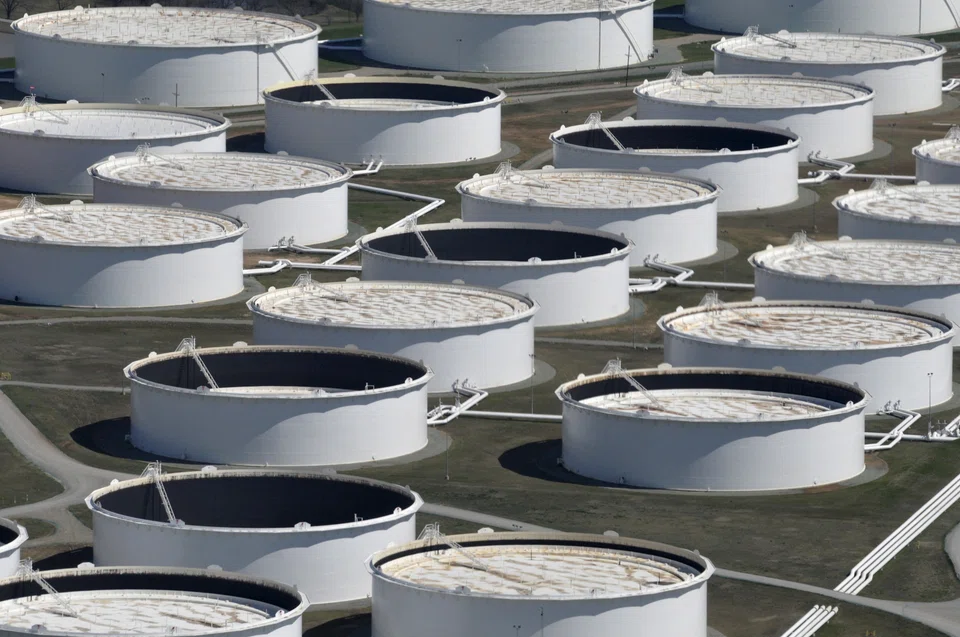
COMMODITIES are having a volatile start to the year as China’s virus tsunami and policy shifts leave investors scrambling to calibrate expectations for 2023.
Crude and copper rose Friday (Jan 6) on reports that President Xi Jinping might ease strict real-estate controls. That follows heavy losses triggered by the nation’s demand-destroying wave of Covid-19 infections.
China’s uncertain path to recovery will steer commodities this year after prices posted a fourth annual gain in 2022.
Europe’s energy crunch and global monetary tightening are the other big themes. On the former, natural gas may have softened, but that does not mean the crisis is over.
And on the latter, watch gold. Bullion is wavering near a six-month high ahead of the jobs report on Friday that will influence the Federal Reserve’s next moves.
China’s first quarter will be terrible for commodities demand, as Covid-19 and the Chinese New Year holidays suppress activity. What happens beyond that is much less certain. Those counting on a second-half recovery got a boost Friday after Bloomberg News reported plans to ease the “three red lines” for property debt that have driven the sector’s prolonged slump.
Navigate Asia in
a new global order
Get the insights delivered to your inbox.
Watch iron ore – a sort of proxy for the reopening trade – for clues on what 2023 will hold.
In the short term, investors, especially in oil, will scrutinise indicators from air travel to traffic congestion for clues on the path back to normalisation after the virus wave.
Trade and credit figures due next week will also offer a snapshot of the disruptions wrought by the abrupt pivot from Beijing’s zero-Covid policy. China’s full-year economic data, including gross domestic product growth and steel output, is coming on Jan 17.


Oil’s shaky start
Crude has greeted the new year with a chunky decline as lacklustre demand and China’s virus turbulence leave the market plentifully supplied.
Sentiment in January will be dominated by events in Asia’s biggest economy, and on the supply front by the fate of Russian exports after sanctions. The Organization of the Petroleum Exporting Countries and its allies (Opec+) has plenty time before its next early February meeting to monitor developments.
Saudi Arabia has shown a firm commitment to large supply cutbacks announced by the alliance last year, and insist the group will be “pre-emptive” in keeping global markets in equilibrium. Crude’s faltering performance so far is likely to keep Opec+ on high alert.
In the diary, the US Energy Information Administration offers its first monthly report of 2023 on Tuesday, with projections from the International Energy Agency and Opec due the week after that.
Surprisingly balmy
Natural gas futures around the world are plummeting on the unseasonably warm start to winter, and prices are likely to fall further as the weaker demand eases fears of energy shortages.
New seasonal highs were registered in several European countries over the last week, while milder temperatures are forecast from the US to Japan till mid-January.
Still, the energy crisis is not over. While European gas prices are at the lowest level since 2021, they are still three times higher than the 10-year average through 2020.
Fuel supply is slated to remain tight for years as there is little new production coming online.
Precious mettle
Gold has also had a dramatic start to 2023. Prices touched their highest in more than six months before plunging Thursday on strong US hiring numbers and hawkish Fed minutes.
That encapsulates some of the tensions facing gold after a rally fuelled by bets on the Fed turning less aggressive.
A global economic slowdown could be a boon for bullion as investors seek havens, but there is the risk that investors are still underestimating the Fed’s push to crush inflation.
Stronger-than-expected data from the US could pile more pressure on the precious metal. That starts with initial jobless figures due later Friday, with estimates pointing to a decline in new jobs added.
Crop counting
The US Department of Agriculture’s monthly World Agricultural Supply and Demand Estimates crop report in January is one of the agency’s biggest data drops of the year. The Jan 12 report will offer the first look at how much wheat was planted last autumn and how much grain and soya was on hand as of Dec 1.
Traders will be bracing for surprises, with global grain supplies still tight due to the war in Europe and patches of drought.
Agricultural powerhouse Brazil will also release its latest estimates for grains and oilseed production on Jan 12, giving the market insights on the outlook for the world’s top soya bean producer following a slow seasonal start. Still, Brazil’s soya bean and corn production is expected to be at an all-time high, despite drought and heat affecting yields in the nation’s far south.
Dryness in South America has been a bullish factor for soya bean contracts, and updates on the Brazilian crop may set the tone for trading early this year. BLOOMBERG
Decoding Asia newsletter: your guide to navigating Asia in a new global order. Sign up here to get Decoding Asia newsletter. Delivered to your inbox. Free.
Share with us your feedback on BT's products and services

